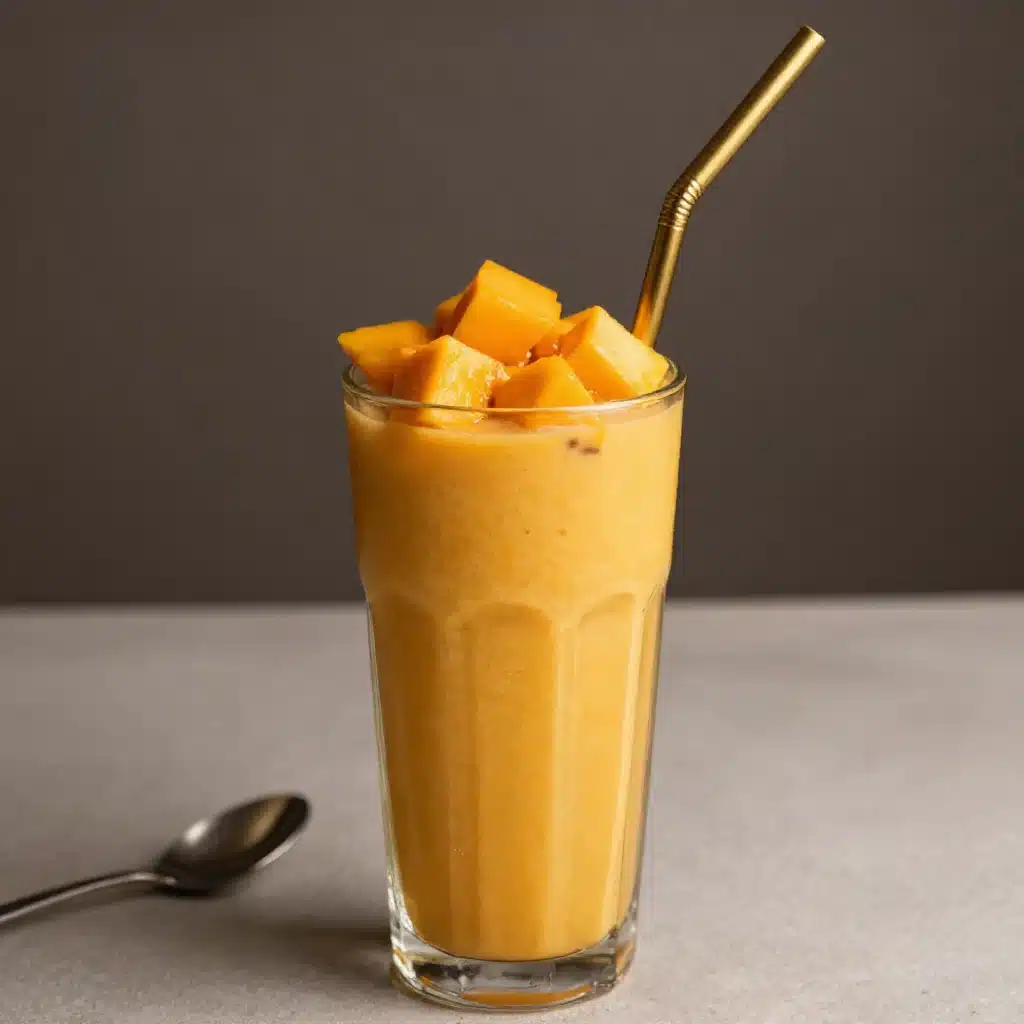
Mangoes have a way of wrapping us in their warmth, pulsating with the golden hues of summer. I remember sitting on the porch with family, the aroma of ripe mangoes hanging in the air like a sweet promise. We would take turns blending the fruits with whispers of condensed milk and a splash of citrus to make what we fondly call Mango Smoothie, or Mangga Susu. Its vibrant color and creamy texture made it not just a treat but a memory we cherished. Unlike other variations, our version keeps to the core, embracing the mango’s lusciousness without the addition of bananas.
Why Mango Smoothie (Mangga Susu) | Without Banana Belongs in Your Kitchen Story
The Mango Smoothie, known affectionately as Mangga Susu, is more than just a delicious drink. For many of us, it represents a piece of our history. I can still hear the laughter and chatter of family members as we waited impatiently for our turn to sip from the blender. The soothing blend of mango with creamy milk has a certain magic, nourishing both body and spirit.
This smoothie is a celebration of simple ingredients that bring families together. It not only provides a burst of healthful vitamins but also wraps you in a comforting embrace. Every time we blend a batch, it’s like revisiting those sunny afternoons, reminding us that comfort can be crafted right in our kitchens.
The vibrant mango, kissed by sunlight and harvested at the peak of ripeness, offers a rich source of vitamins and offers a sweet, tangy freshness that complements milk perfectly. This smoothie is a nod to our roots, a melding of flavors that speaks of tradition while inviting new memories.
How This Recipe Comes Together
“Every time I stir this pot, it smells just like Sunday at home.”
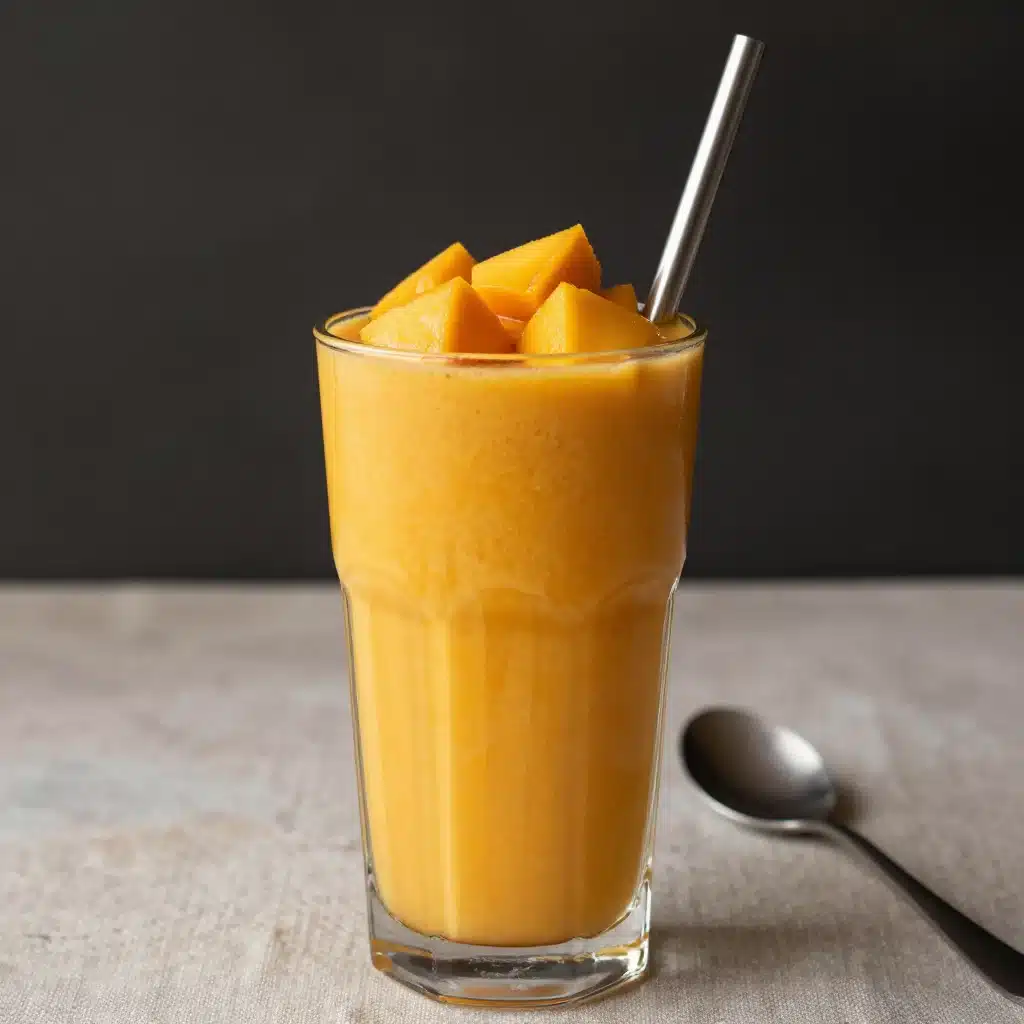
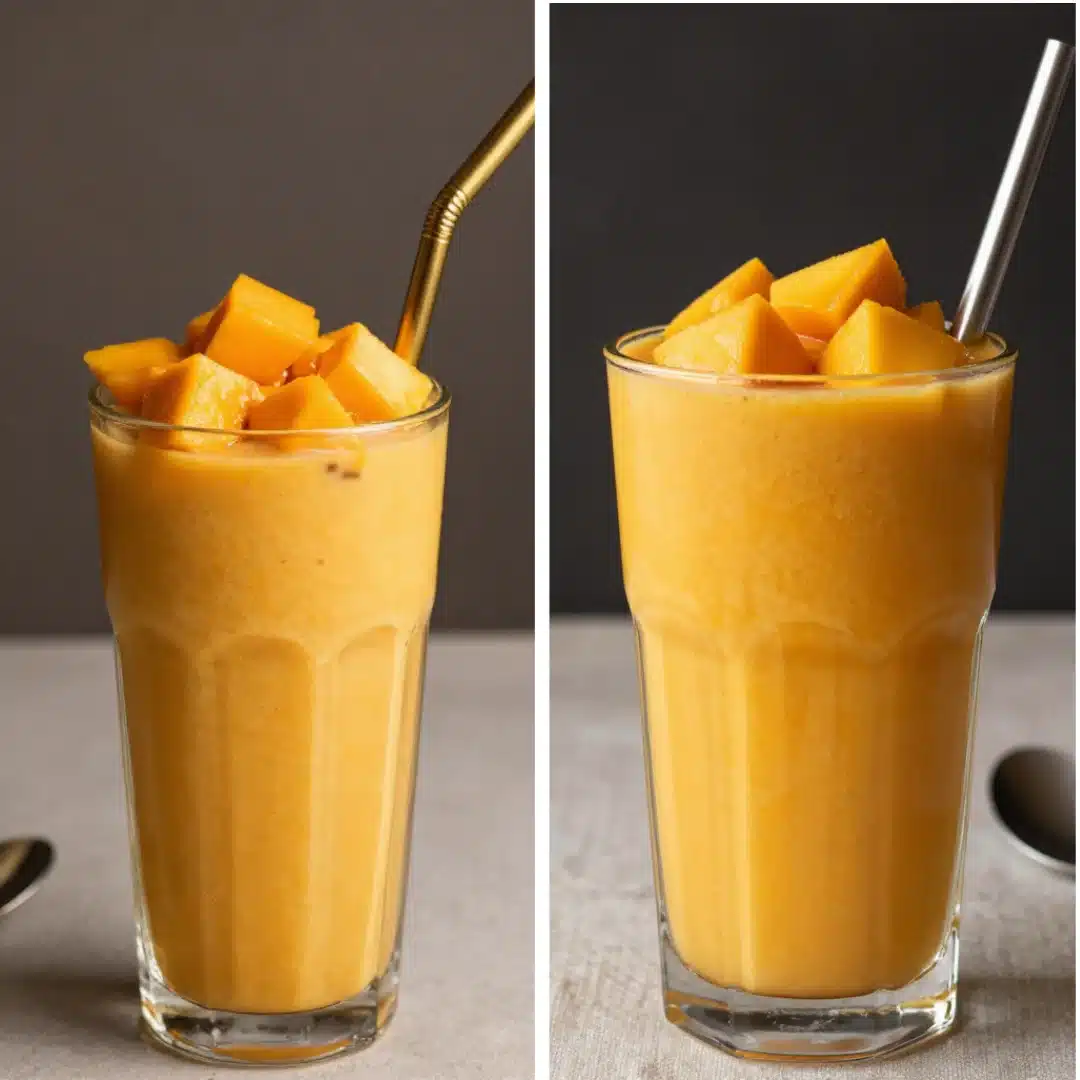
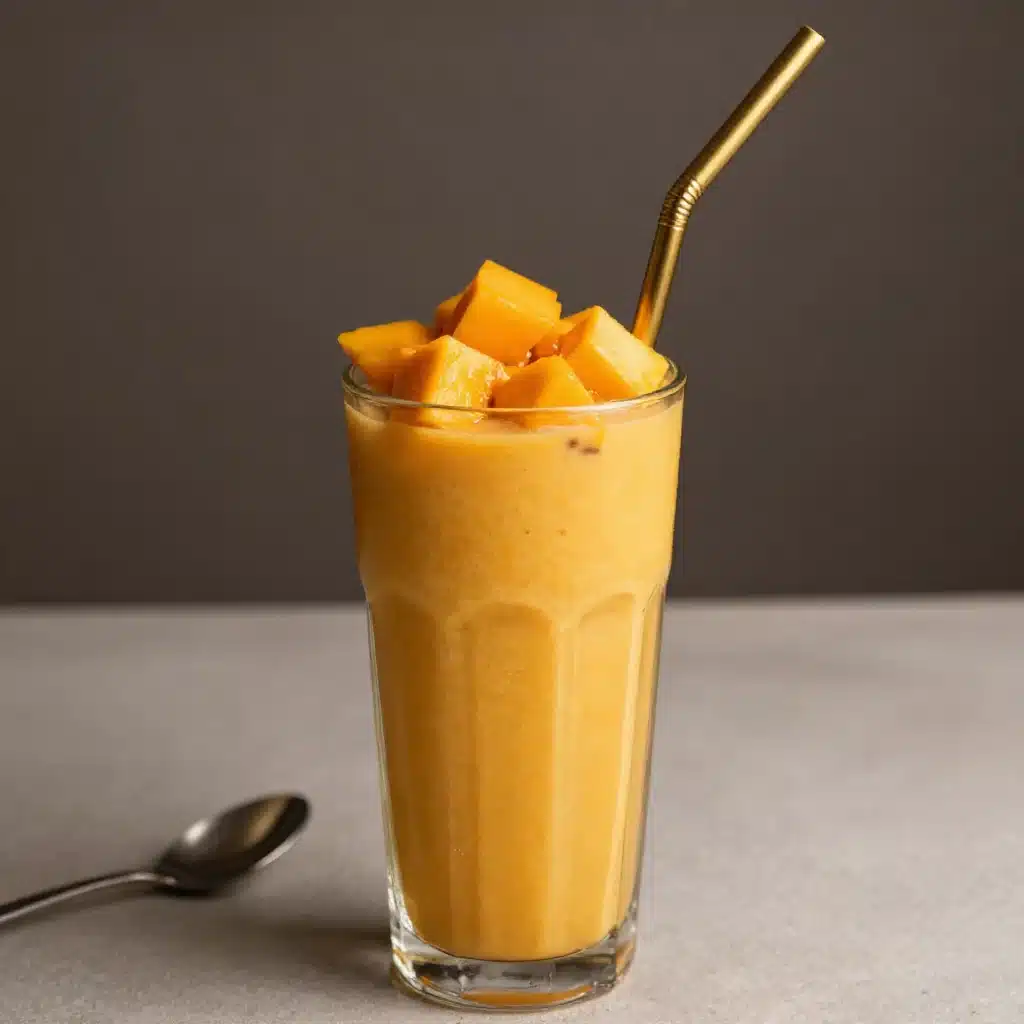
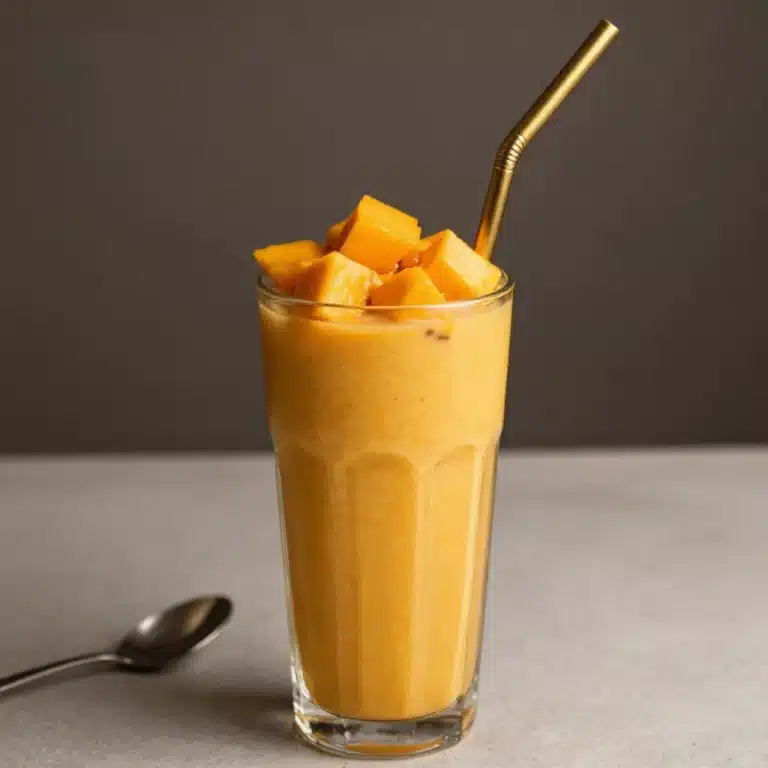
When preparing the Mango Smoothie, you will indulge not just your taste buds but all your senses. The bright orange-yellow of the mango marbled with creamy white milk paints a beautiful canvas that invites you to take a sip. The aroma of fresh mango, sweet and tropical, wafts up and captures your soul. Texture plays a vital role here the thick creaminess of the drink coats your palate while the freshness of mango dances away, leaving a joyful aftertaste.
This simple yet delightful recipe is perfect for brightening a warm day or for an afternoon treat. Let’s explore the ingredients needed to create this family favorite.
Ingredients You Will Need
To craft the beloved Mango Smoothie (Mangga Susu) without banana, gather the following harmonious ingredients:
- 2 cups frozen mango cubes
- 1 cup milk
- 1 tbsp condensed milk (feel free to adjust the sweetness)
- 2 tbsp lime/lemon juice (to add a pop of brightness)
Using fresh ingredients is encouraged; they intensify the smoothie’s flavors. Ensure your mango is ripe if you’re using fresh, as this sweetens the entire drink naturally. If you can, tip extra lime juice to elevate this smoothie further, enhancing those tropical notes.
Step-by-Step Directions
- Set aside 1/3 cup of the frozen mangoes for later. This will add a delightful bite when serving.
- Place the remaining frozen mango cubes in a blender, along with the milk, condensed milk, and lime juice.
- Blend until the mixture is smooth and creamy, about 30 seconds. Don’t rush let the blender work its magic until it whispers ‘ready.’
- Pour the blended mixture into a glass.
- Gently pile the reserved frozen mango chunks on top and watch as they gracefully settle into the smoothie.
- Enjoy this delightful creation immediately, allowing each sip to carry you back to family moments spent together.
As you blend, the colors swirl, the scents mix, and the anticipation builds. Each step becomes a joyful part of your culinary journey, and with every taste, you’ll find that this simple drink has a narrative all its own.
Serving Mango Smoothie (Mangga Susu) | Without Banana With Family Warmth
When it comes time to serve, the Mango Smoothie truly shines. Imagine the scene: a bustling table filled with laughter as people reach for a glass. Each serving, luminous and inviting, begs to be shared. Your loved ones will marvel at the tropical hue, while the rich, creamy texture tempts them to take their first sip.
As everyone gathers around, the atmosphere is warm and inviting. Each glass is crafted with care, and you might accompany the smoothie with light snacks or fruity desserts, allowing the refreshment to take center stage. The joy of sharing this smoothie, paired with cherished stories and laughter, transforms each meal into a precious memory.
How to Keep This Dish Restorative Tomorrow
After enjoying your smoothie, you may wonder about storing any leftovers. This drink can be safely kept in the refrigerator for up to 24 hours. Note that the flavors will continue to deepen as the ingredients meld together. For the best texture, store it in an airtight container; this prevents air from altering its delightful creaminess.
If you find that the texture thickens too much, simply add a splash of milk and stir until you achieve the desired consistency. Remember, smoothies are versatile: you can adjust and adapt them to your taste over time.
Dalida’s Little Secrets
Over the years, I’ve learned a few tips and tricks to elevate my Mango Smoothie game. Here’s what I’ve discovered:
- Substitutions: Feel free to swap out the milk for almond, oat, or coconut milk. Each brings a different flavor profile.
- Timing: Blend the mango while it’s still frozen; this keeps the smoothie nice and cold, giving it that refreshing kick.
- Tools: A high-speed blender is your best friend for this recipe. It ensures everything is blended seamlessly, creating that luscious texture we adore.
- Texture cues: Watch for a silky smooth consistency. You want it to flow easily but not run away from the glass.
- Sweetness adjustment: Taste as you go! If the mango is particularly sweet, you might skip the condensed milk or use less than a tablespoon.
These little notes have helped me perfect the process, ensuring that each iteration is as comforting as the last.
Heritage Variations
Every family infuses its own character into recipes. In my family, we occasionally swap in different fruits like passion fruit or a handful of spinach for a nutrient boost. Some relatives opt to add a dollop of yogurt for richness, while others prefer to blend in spices such as ginger for a warm kick.
Regional variations add amazing depth to this classic smoothie. In certain areas, it’s common to find additions like coconut shavings or even a drizzle of honey. These spin-offs remind us that food evolves with us, carrying flavors through generations while still holding close its original roots.
FAQs About Mango Smoothie (Mangga Susu) | Without Banana
Can I use honey instead of sugar?
Yes, honey provides a softer sweetness and reminds me fondly of springtime visits with my grandmother.
What’s the best way to store leftover smoothie?
You can keep it in an airtight container in the fridge for up to one day. Just remember to give it a good shake before enjoying!
Can I make this smoothie vegan?
Absolutely! By swapping milk for a non-dairy alternative and avoiding the condensed milk, you can create a nourishing vegan option.
What if I don’t have frozen mango?
Using fresh mango works wonderfully as well. You may want to add a few ice cubes to maintain that refreshing chill.
How can I enhance the flavor?
A touch of fresh mint or basil can brighten up the smoothie beautifully, giving it an aromatic lift.
Conclusion
To sit down with a glass of Mango Smoothie (Mangga Susu) | Without Banana is to reconnect with cherished moments around the table. It’s a recipe that extends beyond mere ingredients; it encompasses love, comfort, and tradition. As you blend and serve this drink, you become part of a legacy that holds the promise of shared stories and warm smiles.
For more delicious mango recipes like this one, explore Mango Smoothie With Milk (Mangga Susu). If you’re in the mood for experimenting with fruit smoothies, don’t miss the easy twist with Easy Mango Banana Smoothie Recipe.
Take a moment to invite the essence of family, love, and tradition into your kitchen with this smooth, creamy mango delight. It awaits to make your gatherings even more special, adding joy with every sip.
Follow us on social for more recipe ideas & inspiration!
Mango Smoothie (Mangga Susu)
Would you like to save this recipe?
By submitting you agree to receive this recipe and occasional emails. Unsubscribe anytime.
Ingredients
Main Ingredients
- 2 cups frozen mango cubes Using ripe, fresh mango is encouraged for better flavor.
- 1 cup milk Can be substituted with almond, oat, or coconut milk.
- 1 tbsp condensed milk Feel free to adjust the sweetness.
- 2 tbsp lime/lemon juice Enhances tropical notes and freshness.
Instructions
Preparation
- Set aside 1/3 cup of the frozen mangoes for later use.
- Place the remaining frozen mango cubes in a blender along with the milk, condensed milk, and lime juice.
- Blend until the mixture is smooth and creamy, about 30 seconds.
- Pour the blended mixture into a glass.
- Gently pile the reserved frozen mango chunks on top.
- Enjoy immediately!
Last Step: Don’t forget to leave a rating and comment below! It helps other readers find the best recipes — and it helps us too!
Tips & Notes:
Nutrition Information: Serving: 4 | Calories: 180kcal | Carbohydrates: | Protein: | Fat: | Sodium: | Fiber: | Sugar:
Nutritional information is provided as a courtesy and calculated automatically. Values can vary depending on the brands and ingredients you use, so if you’re tracking closely, I recommend calculating with your own preferred tool.