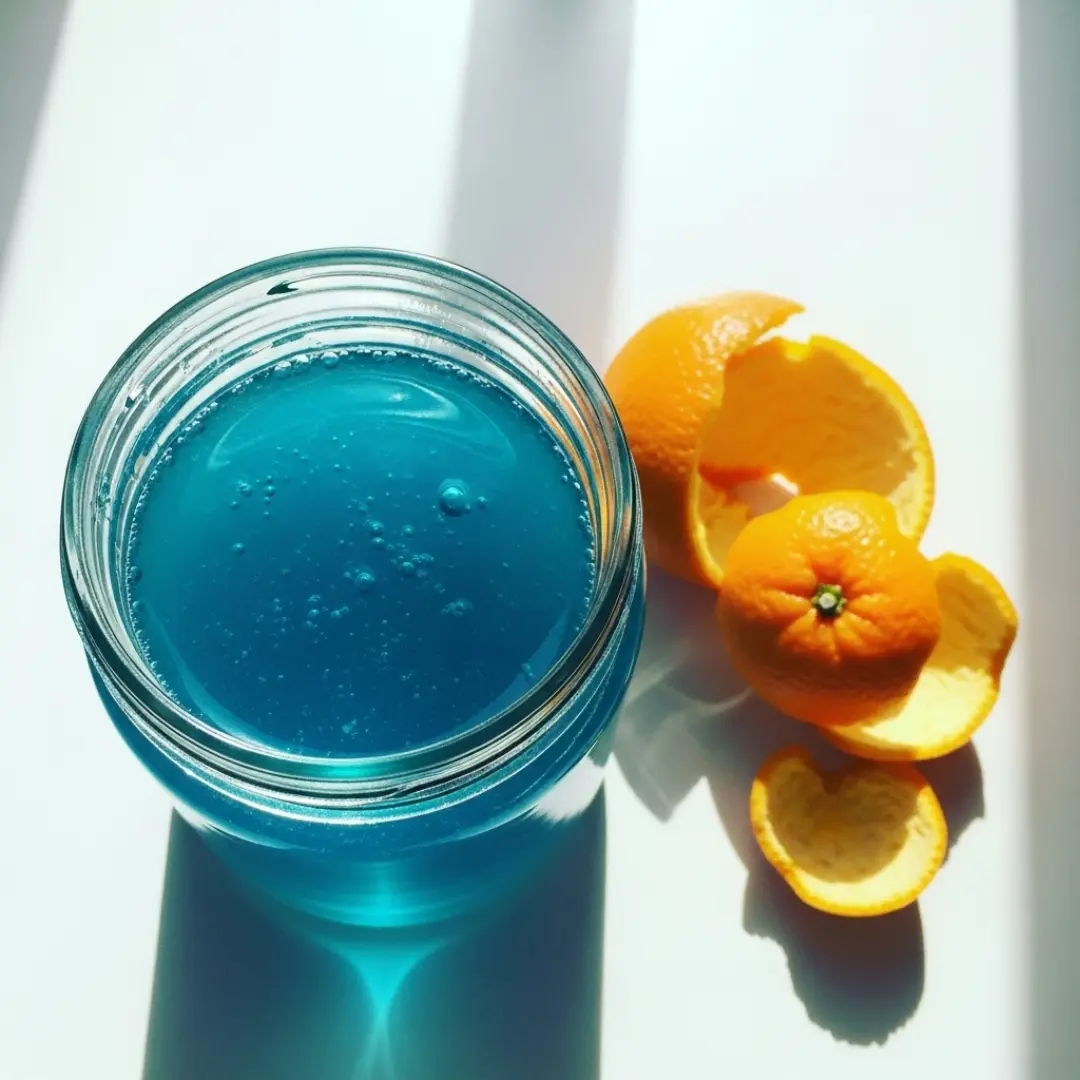
I still remember the first time my grandmother Dalida saw me making a bright blue drink in her kitchen. She stood in the doorway with her arms crossed, eyebrows raised, and said in that knowing voice of hers: “Olivia, food shouldn’t glow like the ocean unless it came from the ocean.”
She had a point. But here’s what I’ve learned since then—sometimes a little color brings more than just visual delight. It brings joy, curiosity, and yes, even a bridge between her world of traditional citrus remedies and my world of vibrant, health-conscious creativity.
Blue curacao syrup is one of those ingredients that makes people stop and ask questions. Not just “what is that?” but “can I actually use this?” And the answer is a wholehearted yes. It’s more than a novelty splash of color—it’s a versatile, citrusy syrup that works beautifully in mocktails, desserts, and even as a conversation starter at family gatherings.
Quick Take: Blue curacao syrup is a non-alcoholic, orange-flavored syrup with that signature electric blue color. It’s inspired by Caribbean curacao liqueur but without the alcohol—making it perfect for everyone at the table, from curious kids to wellness-focused adults like you and me.
If you’ve ever wondered whether this glowing syrup is the same as the liqueur (it’s not), or if it’s worth keeping in your pantry beyond one cocktail party, you’re in the right place. I’ll walk you through what it really is, how to use it in ways that feel good and taste like home, and even how to make your own version when you want complete control over what goes into your glass.
This isn’t just another ingredient guide. It’s what I wish someone had told me before I awkwardly defended that blue drink to my grandmother—who, by the way, eventually tried it and admitted it tasted “surprisingly like real oranges.”
Let’s start with the basics, then get into the good stuff.
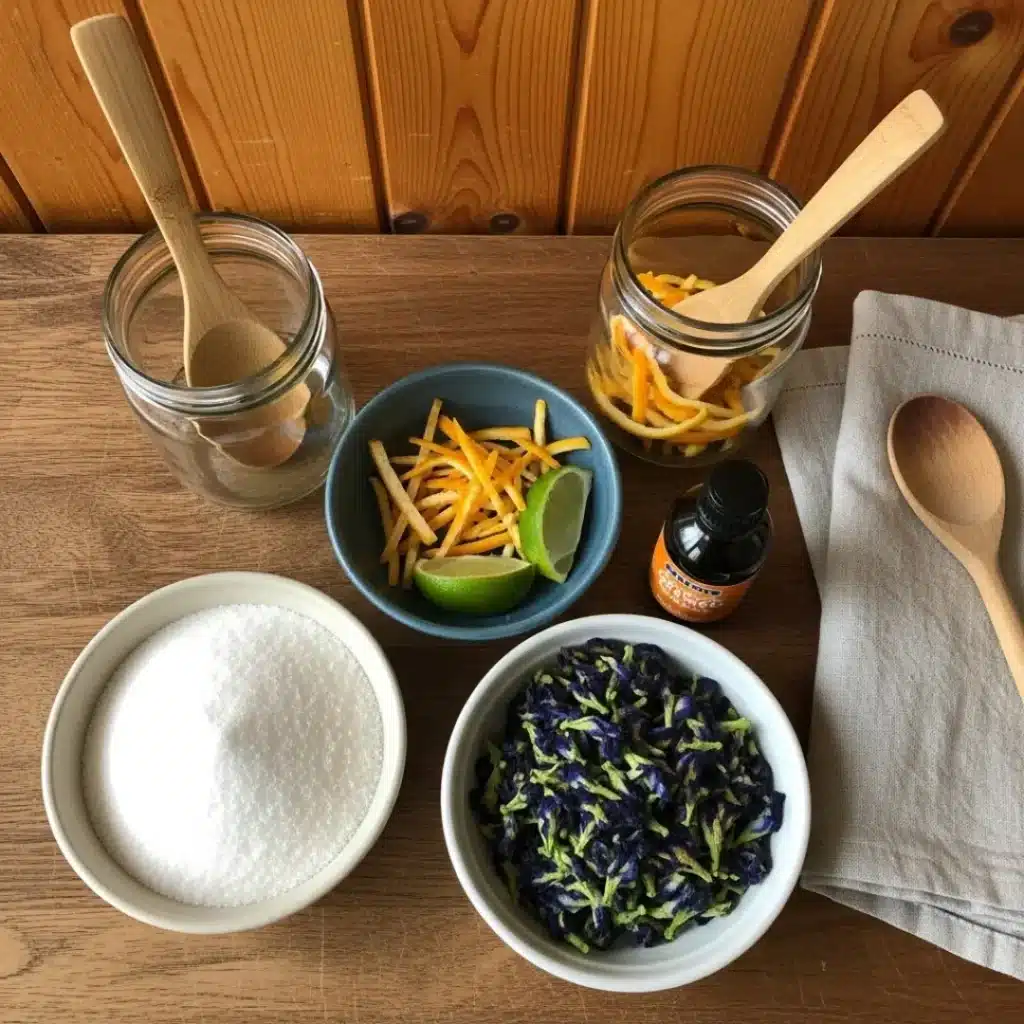
Everything you need to create stunning, citrusy drinks at home
What is Blue Curacao Syrup?
Picture this: You’re staring at a bottle in the drink aisle, and it’s so vividly blue it almost looks fake. You pick it up, read the label, and think, “Is this food or science experiment?”
I’ve been there. And honestly? Both thoughts are fair.
Blue curacao syrup is a sweetened, non-alcoholic syrup flavored with bitter orange peel and tinted that unmistakable shade of electric blue. It takes inspiration from blue curacao liqueur—a Caribbean classic made from the dried peel of the laraha citrus fruit found on the island of Curaçao. But while the liqueur brings alcohol and intensity, the syrup version is all about flavor, color, and accessibility.
Think of it as the friendly cousin of the liqueur. Same citrusy personality, same tropical roots, but without the boozy bite. It’s designed for mocktails, sodas, desserts, and any moment you want a burst of color that doesn’t come with a warning label.
What I love most? It brings that bright orange-citrus taste—somewhere between fresh peel and candied zest—without overpowering a drink. Some versions lean floral, others more tangy, but they all share that sunny, tropical profile that pairs beautifully with lime, pineapple, and coconut.
For a deeper dive into what blue curacao syrup really is, including its history and ingredients, read this.
Is It the Same as Blue Curacao Liqueur?
No. And this is where a lot of confusion happens.
Blue curacao liqueur is alcoholic, usually sitting around 20–25% ABV. It’s what you’d find in a bar, used in cocktails like the Blue Lagoon or Blue Hawaiian. Blue curacao syrup, on the other hand, contains zero alcohol. It’s crafted specifically for people who want the taste and the visual impact without the spirits.
Here’s how they differ:
- Blue Curacao Liqueur: Adds alcohol content and citrus flavor to cocktails. Best for adults-only gatherings and classic tropical drinks.
- Blue Curacao Syrup: Delivers citrus taste and that bold blue color to mocktails, sodas, baking, and kid-friendly recipes. Safe for all ages.
When my mom—who was always cautious about what we consumed—first learned about the syrup version, she was relieved. She loved the idea of having something festive that everyone could enjoy, especially during our family brunches. That’s the beauty of it: inclusivity in a bottle.
Still unsure whether it contains alcohol? Read this detailed guide on whether blue curacao syrup is alcoholic.
Origin and Color
Let’s talk history for a moment, because it matters.
Blue curacao traces its roots to the Dutch Caribbean, where settlers discovered the laraha orange—a bitter citrus fruit that thrived on the island of Curaçao. They started using the dried peels to create a liqueur, and it became a regional treasure. The original versions were clear or amber. The blue dye? That was a creative touch added later for visual drama. It doesn’t change the flavor, but it certainly changed the game.
That pop of color became iconic. It’s why you see blue curacao in photogenic brunch spreads and tropical-themed parties. The syrup mimics this history in a more accessible, family-friendly form.
Most commercial syrups use a combination of cane sugar or glucose syrup, food coloring (typically Brilliant Blue FCF), citric acid, and natural or artificial orange flavoring. Some artisanal brands go the extra mile with plant-based dyes or real citrus infusions for a cleaner ingredient list. It’s worth reading labels if that matters to you—and in my house, it usually does.
Is Blue Curacao Syrup Safe for Kids?
Yes, as long as the brand uses food-safe coloring and contains no alcohol. I always check the label for synthetic dyes or additives, especially when I’m making drinks for younger family members or friends’ kids. If you’re wary of artificial colors, there are natural alternatives—like spirulina or butterfly pea flower—that can give you a similar blue hue without the FD&C dyes.
When I make it at home (more on that later), I have full control over what goes in. That peace of mind? Worth every extra minute.
Is blue curacao syrup alcoholic?
No. Blue curacao syrup is completely non-alcoholic. It’s designed to replicate the flavor and color of the liqueur but is safe for all ages and perfect for mocktails, sodas, and desserts.
How to Use Blue Curacao Syrup
When you first see that bottle of electric blue syrup, it’s tempting to think it’s only good for themed parties or Instagram-worthy cocktails. I thought the same thing. But after experimenting—and making a few gloriously blue mistakes—I discovered this syrup has serious range.
The secret? Knowing how to balance that bold color with real flavor, and understanding when to let it shine versus when to dial it back.
Cocktails vs Mocktails
Most people reach for blue curacao syrup when they’re making drinks. And honestly, that’s where it shines brightest.
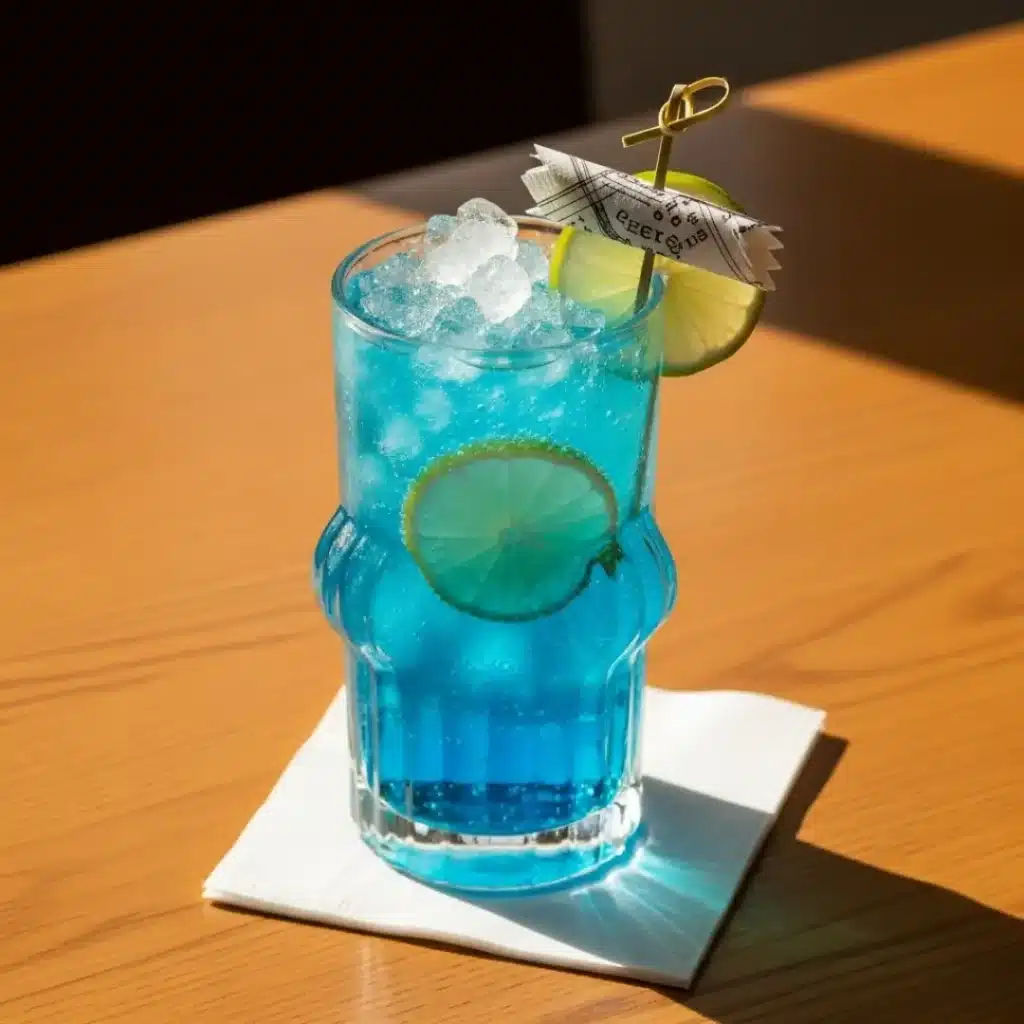
Sweet, citrusy, and alcohol-free—perfect for a summer brunch
In cocktails, it works as a vibrant accent. Think blue margaritas, tropical rum blends, or even a twist on a classic mojito. But here’s the thing: since the syrup already contains sugar, it can tip your drink into overly sweet territory if you’re not careful. Balance is key. I always add a squeeze of fresh lime or lemon juice to cut through the sweetness and keep things lively.
In mocktails, the syrup becomes a star player. It’s an easy, instant way to add visual excitement and citrus flavor without any alcohol. My go-to formula when I’m hosting brunch or making something for my nieces?
- 1 part blue curacao syrup
- 2 parts soda water or lemon-lime soda
- A generous squeeze of fresh lime
- Ice, and maybe a sprig of mint if I’m feeling fancy
For something with more depth, I mix it with coconut water and a splash of pineapple juice. It feels tropical, refreshing, and like you put actual thought into it—even if it took three minutes to make.
What I’ve learned from my mom’s approach to wellness drinks: simple ingredients, thoughtful pairings, and always something fresh to balance the sweet. That philosophy works here too.
You’ll love these colorful blue mocktails with syrup—easy and refreshing.
Desserts and Baking
Here’s where things get interesting. Blue curacao syrup isn’t just for drinks—it’s also a clever way to bring citrus notes and a pop of color into sweets.
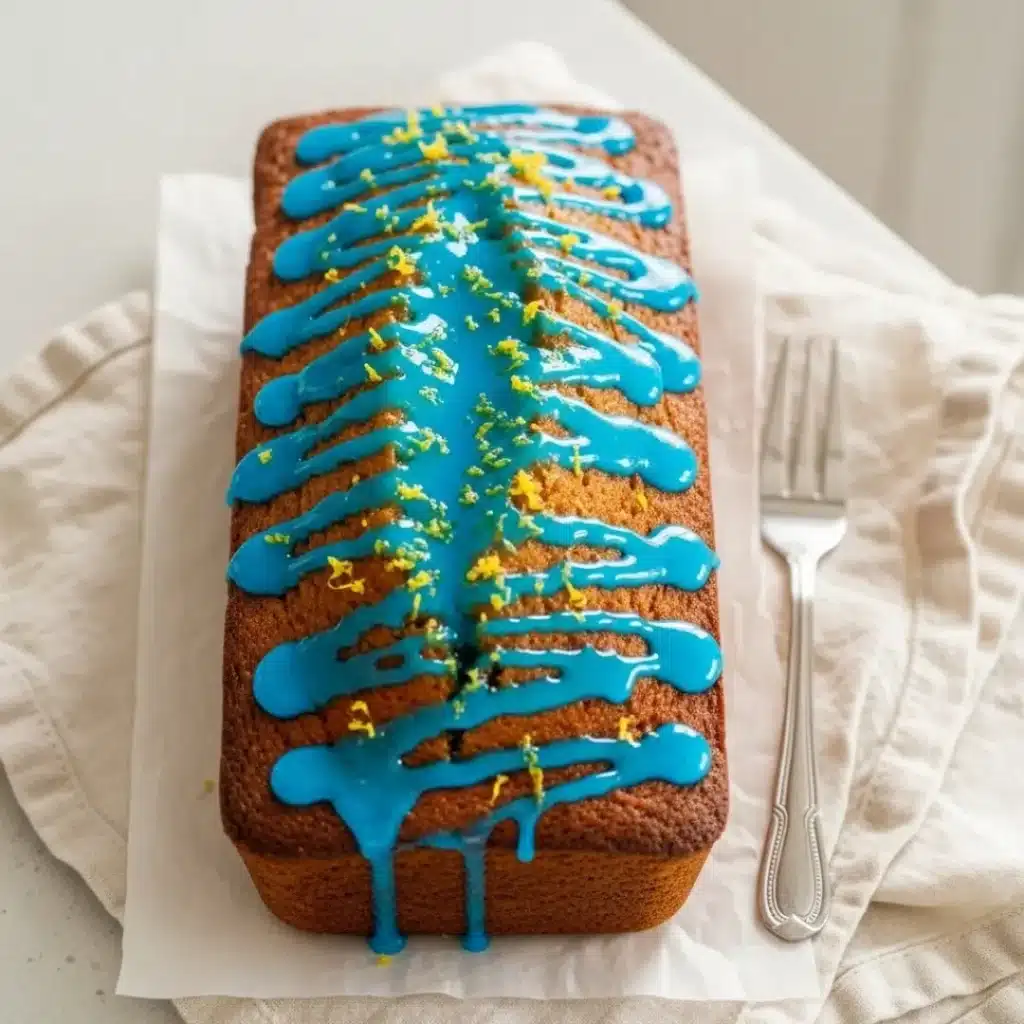
A playful twist on classic citrus desserts
I’ve drizzled it over:
- Vanilla ice cream (trust me on this one)
- Coconut sorbet for a tropical twist
- Pancakes and waffles when I want brunch to feel a little more special
- Citrus cupcakes, where I use it as both a glaze and a soak for the sponge
The bright orange flavor pairs beautifully with vanilla, almond, and tropical fruits. I’ve even mixed it into whipped cream for a blue-tinted, orange-scented topping that makes people do a double-take.
One of my favorite experiments was drizzling it over a lemon loaf cake. The cake itself was traditional—something my grandmother would approve of—but that blue glaze? That was all me. And you know what? She tried it. Didn’t say much, but she finished her slice.
For inspiration, here are some mocktails and cocktails using blue curacao I love to make.
A playful twist on classic citrus desserts
A Little Goes a Long Way
Because of the intensity of the food coloring, start small. One tablespoon can easily tint an entire glass of lemonade or create visible streaks through a dessert glaze. Taste as you go, and pair it with neutral bases like coconut milk, yogurt, or sparkling water to keep the flavor balanced.
I learned this the hard way after turning an entire pitcher of lemonade into something that looked like it belonged in a science lab. It tasted fine. It just… glowed.
Will the color fade when heated?
In most cases, no. Blue curacao syrup retains its color well in cold applications, but when baked at high temperatures, it may dull slightly. For best results, use it in glazes, drizzles, or stirred into icing after baking.
Blue Curacao Syrup Recipe
If you’ve ever looked at the ingredient list on a bottle of blue curacao syrup and thought, “There’s no way I’m putting that in my body,” I hear you. I’ve been there. And that’s exactly why I started making my own.
The truth is, making blue curacao syrup at home is surprisingly simple. You get to control the sweetness, the intensity, and—most importantly—what goes into it. No mystery ingredients. No artificial overload. Just citrus, sugar, and a little creativity.
This is the version I make when I want something vibrant and flavorful without compromising on what my mom would call “real food principles.” It’s citrusy, fragrant, and flexible—you can adjust it based on your taste and what you have on hand.
Check out my Homemade Blue Curacao Syrup Recipe for full steps and flavor tips.
Homemade Blue Curacao Syrup
Prep Time5 mins
Cook Time10 mins
Total Time30 mins
Yield1½ cups
Ingredients & Instructions
This recipe yields about 1½ cups of syrup and keeps for 2 to 3 weeks in the fridge.
Ingredients:
- 1 cup water
- 1 cup granulated sugar (or coconut sugar for a deeper, richer base)
- Zest of 1 orange
- Zest of ½ lime (optional, but I love the extra tang)
- ¼ teaspoon orange extract
- 1–2 drops blue food coloring (or use butterfly pea flower for a natural tint)
Instructions:
- Make the base: Combine water, sugar, and citrus zest in a small saucepan. Bring to a simmer over medium heat, stirring until the sugar dissolves completely. Let it simmer gently for 3–5 minutes. You’ll start to smell the orange—it’s one of my favorite parts of the process.
- Infuse: Remove from heat. Add the orange extract. Cover the pan and let it steep for 15–20 minutes. This is when the zest releases its oils and the syrup really comes to life.
- Strain and tint: Strain out the zest using a fine mesh sieve. Stir in the blue food coloring one drop at a time until you reach your desired shade. Start small—you can always add more, but you can’t take it back.
- Bottle and store: Pour into a clean glass bottle or jar. Let it cool completely before sealing. Store in the fridge for up to 3 weeks.
Alcohol-Free Version
Good news: blue curacao syrup is naturally alcohol-free. That’s the whole point. But if you want to mimic the complexity of the original liqueur more closely, try adding a dash of orange blossom water or a hint of bitter orange peel during the steeping process. It brings a subtle floral note that feels sophisticated without needing spirits.
If you’re like me and prefer to skip synthetic dyes, butterfly pea flower is your friend. It gives a natural blue that’s more subdued, but you can brighten it by adding a small squeeze of lemon juice. The acidity shifts the color into that vibrant teal-blue range. It’s a little kitchen magic that my grandmother would actually approve of.
Flavor Tweaks
Once you’ve mastered the basic recipe, feel free to play. Here are a few variations I love:
- Add a cinnamon stick or a couple of cloves during steeping for a spiced version that’s perfect in fall drinks
- Use turbinado or demerara sugar for a golden, richer syrup with deeper caramel notes
- Stir in a splash of vanilla extract for a creamier, dessert-oriented twist
Cooking, for me, has always been about taking something traditional and making it your own. This syrup is no different. Start with the recipe, then let your instincts guide you.
Is there a natural way to make it blue?
Yes. You can steep butterfly pea flowers in hot water and use that as a natural blue tint. It won’t be as neon-bright as the commercial versions, but it’s a beautiful alternative if you’re avoiding artificial dyes. Plus, it feels a little more in line with the way my grandmother taught me to cook—using what nature gives us.
Buying Guide: Choosing the Right Blue Curacao Syrup
Not all blue curacao syrups are created equal. I learned this the hard way after buying three different bottles in one month—one tasted like melted blue candy, another was so floral it felt like drinking perfume, and the third finally got it right.
If you’re not making your own, here’s how to choose a bottle that actually delivers on both flavor and quality.
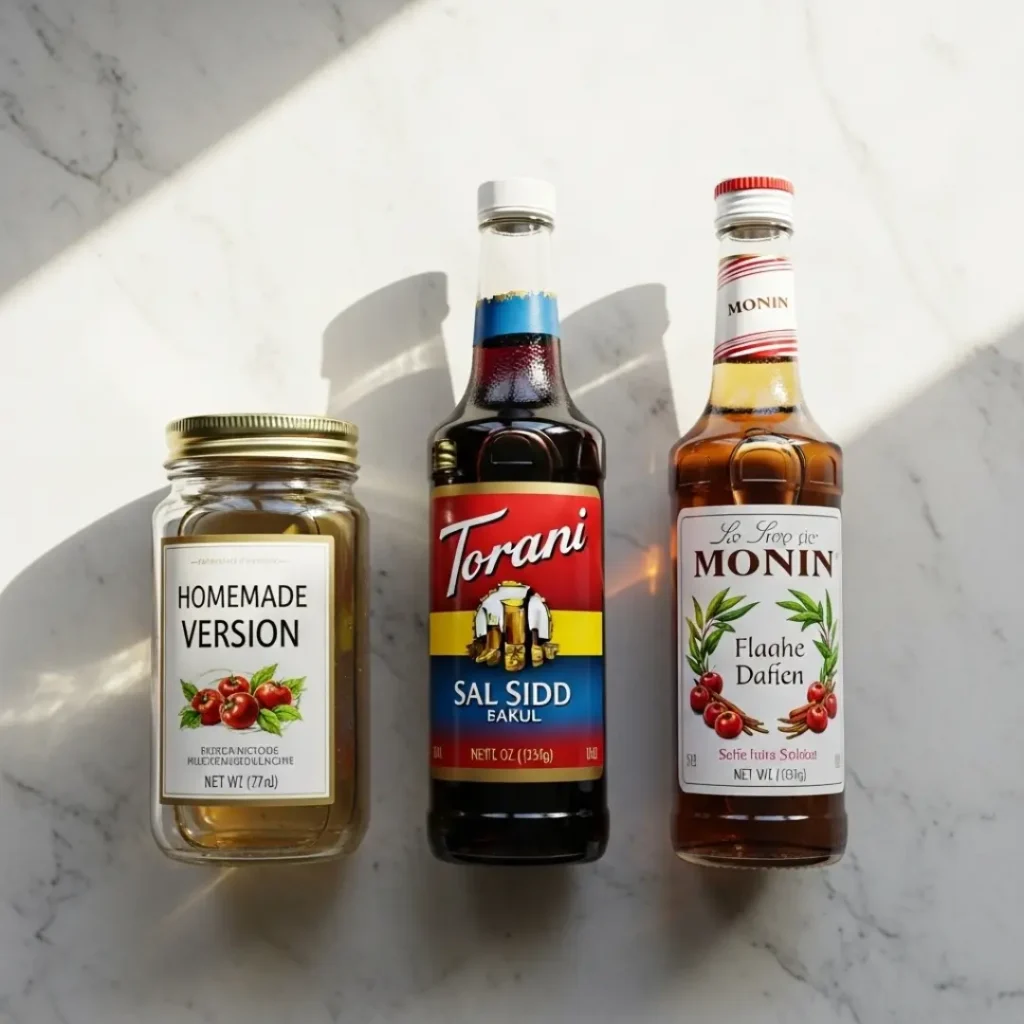
Store-bought or homemade—find your perfect match
Top Brands
These are the brands I’ve tested, trusted, or seen used by people who know what they’re doing:
- Torani Blue Curacao Syrup: This one’s my go-to when I’m buying rather than making. It has a strong, clean orange flavor and a good balance of tart and sweet. The consistency is reliable, which matters when you’re making drinks for a crowd. It works well in both cocktails and mocktails, and the slightly tart edge helps cut through sweetness.
- Monin Blue Curacao Syrup: A bit more floral and sophisticated. Monin uses natural flavors and skips artificial preservatives, which appeals to anyone (like me) who reads ingredient labels religiously. The citrus profile is more nuanced—less candy, more actual orange peel.
- Bar Keepers Blue Curacao Syrup: Designed for professional bartenders, so the color is bold and the taste is intense. If you want visual impact in a punch bowl or layered drink, this is your pick. Just be mindful of how much you use—it’s concentrated.
- DIY Versions: If you want total control over sugar levels, flavor strength, and ingredients, homemade is always the winner. No additives, no guesswork, and you can adjust it to match your exact preferences.
When choosing a brand, think about how you’ll use it. For drinks, brightness and consistency matter most. For desserts, check if it blends smoothly and holds its color after refrigeration or heat.
Store-bought or homemade—find your perfect match
Online vs In-Store
Here’s the reality of shopping for specialty syrups:
Buying Online:
Pros:
- Broader selection of brands and sizes
- Access to small-batch or artisanal options
- Often cheaper per ounce when buying in bulk
Cons:
- Shipping issues with glass bottles (I’ve received one very blue, very broken package)
- No way to sample before committing
Buying In-Store:
Pros:
- Instant gratification—no waiting for delivery
- You can inspect the color and thickness in person
- Easier to return or exchange if it’s not what you expected
Cons:
- Limited brand availability
- Often marked up, especially in gourmet or specialty stores
If you’re unsure which brand to try first, look for sample-size bottles or bar sets that include small syrups. It’s a low-risk way to test the flavor without committing to a full bottle that you might not love.
How long does blue curacao syrup last once opened?
Commercial syrups like Torani or Monin typically last 6 to 12 months once opened if stored in a cool, dark place. Refrigeration helps preserve freshness. Homemade versions last about 2 to 3 weeks when stored in a clean glass container in the fridge. Always check for changes in smell, texture, or color before using.
Read my full storage guide to see how long blue curacao syrup lasts.
🩵 Note from Olivia:
This guide is based on my personal kitchen experience and my love for colorful, alcohol-free recipes that feel like home. While I do my best to provide thoughtful tips and safe alternatives especially for families please remember that every household has different needs. Always check product labels, and consult a healthcare provider if you have allergies, health conditions, or dietary restrictions. I’m not a doctor or dietitian, just someone who believes food should nourish and delight in equal measure.
Blue Curaçao Syrup – Common Questions
What is Blue Curaçao syrup?
Blue curaçao syrup is a non-alcoholic, citrus-flavored syrup that mimics the look and orange-peel taste of blue curaçao liqueur. It’s typically made with orange peel flavoring, sugar, water, and blue coloring. While the original liqueur came from bitter orange peels on Curaçao, the syrup is for flavor and color only—great in mocktails, sodas, slushies, and desserts.
Does Blue Curaçao have alcohol in it?
It depends on the product. Traditional blue curaçao liqueur contains alcohol (often 20–25% ABV). Blue curaçao syrup does not. If you’re using syrup in drinks or recipes, you’ll get the citrus flavor and bold color with zero alcohol. Always check the label to be sure.
Is Torani Blue Curaçao Syrup alcoholic?
No — Torani’s Blue Curaçao Syrup is alcohol-free. It’s popular in cafés, bars, and home kitchens because it brings bright orange-citrus flavor and that signature blue hue without adding spirits. It’s a safe pick for mocktails, kids’ drinks, and anyone avoiding alcohol.
What does Blue Curaçao flavoring taste like?
Think bright, sweet citrus with a light orange-peel bitterness — some describe it like an orange candy vibe or a triple-sec profile without the alcohol. It pairs beautifully with pineapple, coconut, and lime, adding a fresh, summery note to drinks and desserts.
How long does Blue Curaçao syrup last?
Store-bought syrups (e.g., Torani, Monin) usually keep 6–12 months after opening if sealed and stored in a cool, dry place; refrigeration helps preserve flavor. Homemade versions last about 2–3 weeks when refrigerated in a clean glass bottle.
Can I use Blue Curaçao syrup in non-alcoholic drinks?
Absolutely. It’s perfect for mocktails, lemonade spritzers, Italian sodas, and fun kids’ drinks. You get color + citrus without alcohol — one of the main reasons to keep a bottle on hand.
Related Syrups and Substitutes
Let’s say you’re out of blue curacao syrup—or maybe you’re wondering if there’s a more natural or less vibrant alternative. I’ve been there. Whether you’re substituting for flavor, color, or dietary reasons, there are several options worth knowing about.
Triple Sec vs Curacao
These two often get confused, but they’re not identical.
- Triple Sec is a clear, orange-flavored liqueur that’s usually drier and less sweet than blue curacao. If you’re making a drink and the color isn’t important, triple sec (or a syrup version of it) works beautifully as a substitute. The flavor profile is similar—bright citrus with a hint of bitterness.
- Blue Curacao is essentially triple sec with added blue coloring and sometimes more sugar. In syrup form, the flavor is nearly identical—but the color is the key differentiator.
If you’re substituting blue curacao syrup in a mocktail and still want that orange profile, any orange-flavored syrup—like orange blossom or orange simple syrup—will do the job. You can always add a drop of blue food coloring if you need the visual impact.
Here’s my full breakdown on curacao vs triple sec if you’re choosing between the two.
Simple Syrup Basics
Sometimes the best solution is the simplest one. Simple syrup—a mix of equal parts sugar and water—is the foundation of most flavored syrups, including blue curacao syrup. Once you’ve mastered a base syrup, you can infuse it with orange peel, herbs, spices, or even edible flowers.
Here’s a basic formula to build your own alternative:
- 1 cup water + 1 cup sugar, simmered until clear
- Add citrus zest, a splash of extract, or even a cinnamon stick
- Optional: tint with natural colorants like butterfly pea flower or blue spirulina
This approach gives you full control over sweetness, flavor intensity, and ingredients. It’s especially helpful for those avoiding artificial colors or wanting to experiment with custom blends. My grandmother always said the best food comes from knowing exactly what’s in it—and I think she was right.
Want to make your own citrusy blends? Start by learning how to make simple syrup basics first.
Need a refresher on how much sugar to use? Check out the best simple syrup ratios guide.
I don’t have blue curacao syrup—what else can I use?
Try mixing orange simple syrup with a drop of blue food coloring. Or use orange juice concentrate and sugar to make a quick stovetop version. For a natural blue tint, butterfly pea flower tea sweetened with honey or agave works in a pinch. The flavor won’t be identical, but it’ll get you close.
A Splash of Color, A Touch of Tradition
Blue curacao syrup may look bold and modern, but at its core, it’s just another way we’ve learned to turn simple citrus into something joyful. Whether you’re crafting a mocktail for brunch, glazing cupcakes for a summer party, or just curious about that bright bottle you saw at the store—now you have the knowledge (and the recipe) to make it your own.
In my kitchen, I see ingredients like this as invitations. Not to impress, but to play—to add a splash of color, a whisper of orange, and a moment of delight to something ordinary. That’s what cooking should feel like. My grandmother taught me that food is medicine, but my mother taught me that food is also joy. Blue curacao syrup? It’s a little bit of both.
So whether you’re reaching for a store-bought bottle or stirring up a homemade version, I hope this guide helped you feel more confident, more curious, and maybe even a little inspired. Food doesn’t have to be complicated to be meaningful.
For more daily recipes, wellness sips, and heritage-inspired food stories, follow along on Facebook.
From my kitchen to yours—cheers to vibrant flavors, always made with heart.
– Olivia Marino
Golden Era Recipes
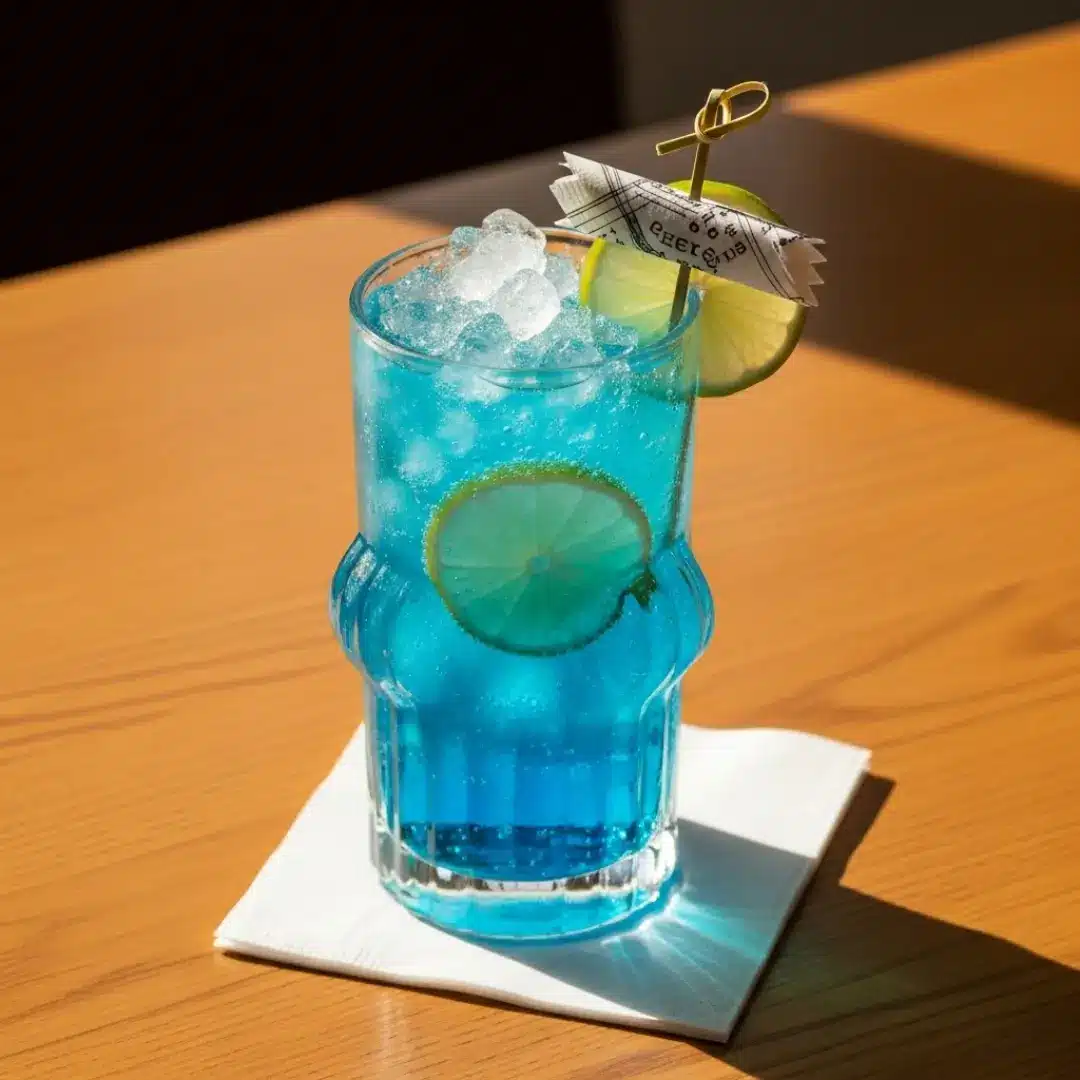
Homemade Blue Curacao Syrup (Alcohol-Free)
Ingredients
Method
- 1. Combine water, sugar, and citrus zest in a small saucepan. Bring to a simmer over medium heat, stirring until sugar dissolves. Let it simmer gently for 3–5 minutes.
- 2. Remove from heat. Add orange extract. Cover and let steep for 15–20 minutes to let the zest release its oils.
- 3. Strain out the zest using a fine mesh sieve. Stir in the food coloring one drop at a time until you reach your desired blue.
- 4. Pour into a clean glass bottle or jar. Cool completely before sealing. Store in the fridge for up to 3 weeks.