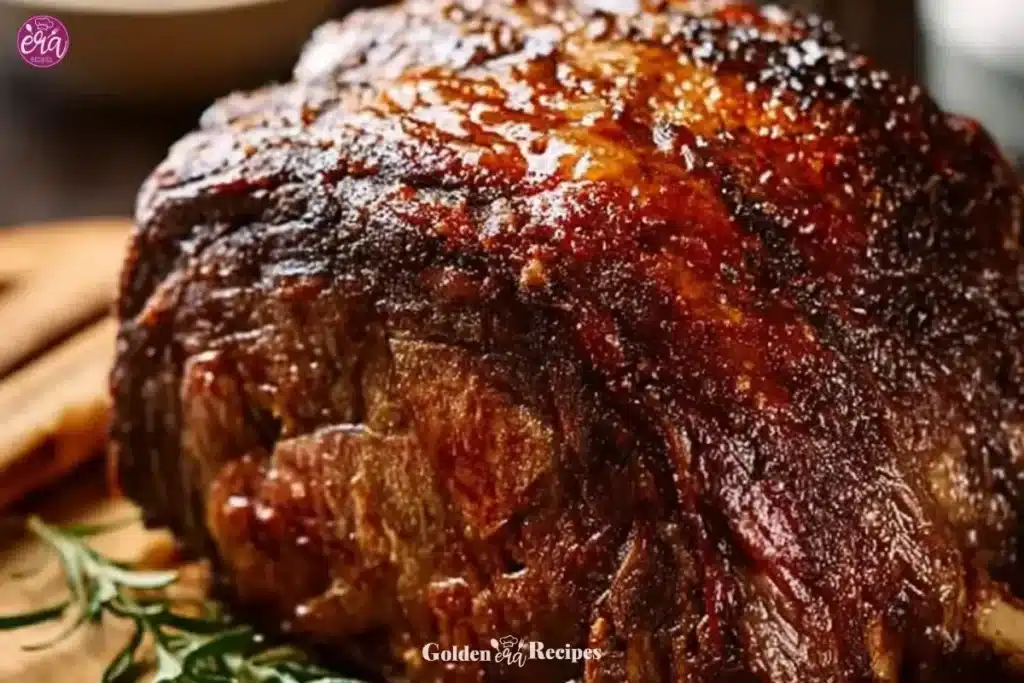
The kitchen is quiet as the morning light slips through the curtains. I stand with a warm mug in hand and the prime rib on the counter, its surface glistening with the herb paste I made the night before. The scent of garlic and rosemary takes me back to my mother Julia’s small farmhouse kitchen, where big meals were made slowly and with deep care.
There is a calm in preparing a meal like this. It asks for time, attention, and a steady heart. That is the kind of cooking that nourishes not just the body, but the nerves and the family gathered around the table. If you want to feel balanced and held this season, this Best Christmas Prime Rib Recipe brings those quiet comforts forward, one slow roast at a time. I like to pair it with something bright and warm, like a simple casserole, when mornings after a holiday feel sleepy and gentle. Try this breakfast casserole if you want an easy, comforting side that keeps the kitchen cozy.
Why This Best Christmas Prime Rib Recipe Helps You Feel Good
This prime rib is more than a showpiece. It is a way to bring family tradition back to the table while keeping an eye on balance and gentle nutrition. My grandmother Dalida believed a big meal could also soothe a busy week. She would say that slow-cooked food helps the body digest and the mind rest.
The roast uses simple, whole ingredients that we trust. Fresh herbs encourage digestion and add antioxidants, while the olive oil helps carry the flavors without heavy creams. The bone and fat in a prime rib add richness and collagen that feel grounding after a season of rushed meals.
This recipe also honors rhythm. It asks you to prepare, then wait, and then serve. That rhythm, even more than any nutrient, brings calm. From there, the family gathers and conversation moves easily, because the food has done its quiet work. For a sweet, nostalgic finish, consider making a caramel apple jam to serve alongside or after the meal. It is a small nod to dessert traditions that bring people together. Here is a jam recipe to try.
How This Healing Recipe Comes Together
“Healthy food should taste like home that’s the promise I keep with every recipe.”
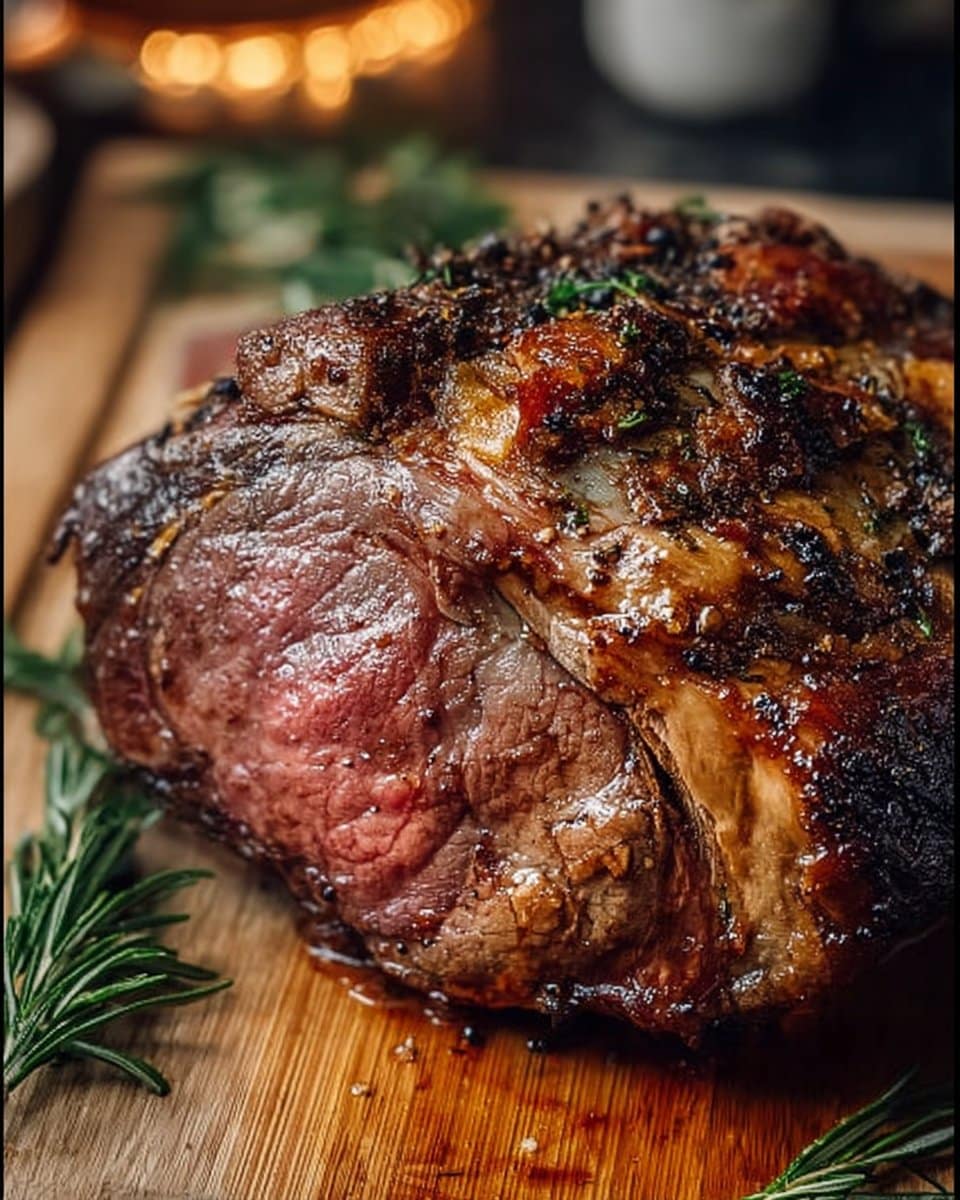
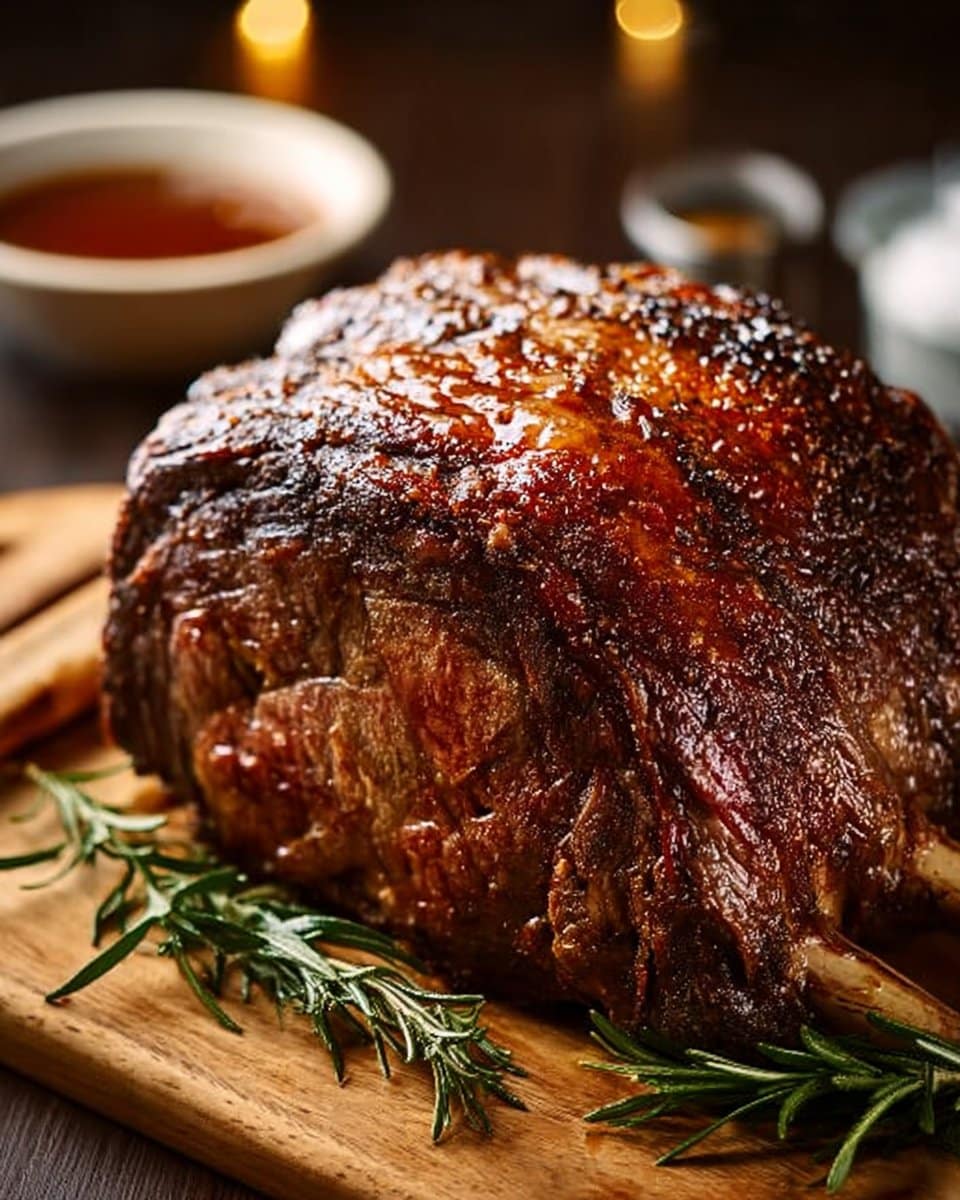
Before we get into the details, know that this roast is about balance. You want a bold crust, a warm pink center, and a simple jus that brings everything together. The colors tell you what you need: deep brown on the outside, rosy inside, and the bright green of fresh herbs as an accent.
The first perfume you notice is garlic warmed by olive oil. After that, the roast gives off a slow savory scent as collagen melts and juices mingle. The final gravy is gentle, not heavy. It coats the plate and adds comfort without overwhelming the herbs and meat.
If you enjoy citrus notes with beef, a hint of lemon zest can lift the flavors. If you prefer an earthier path, add cracked juniper or a small pinch of smoked paprika. The process is forgiving, and the result feels grounded and celebratory. If you want a bright drink to go with it, try a simple, tart glass of Caribbean lemonade for a refreshing contrast. This lemonade recipe makes a lovely pairing.
The Nourishing Line-Up
1 prime rib roast (about 5-7 pounds)
2 tablespoons kosher salt
1 tablespoon black pepper
4 cloves garlic, minced
2 tablespoons fresh rosemary, chopped
2 tablespoons fresh thyme, chopped
2 tablespoons olive oil
1 cup beef broth
These are the essentials. Each item plays a clear role. The salt and pepper form the backbone of the crust. Garlic and herbs bring brightness and warmth. Olive oil helps the paste spread and bind. Beef broth becomes the base for a light, savory gravy. If you like, a small thumb of fresh ginger or a strip of lemon zest can add a warm lift. Keep ingredients simple and fresh; that choice pays off in flavor and in a meal that feels wholesome.
Step-by-Step Directions
Preheat your oven to 450°F (232°C).
Make sure the rack sits low enough to give the roast space.
A hot start builds a crisp exterior that locks in juices.In a small bowl, mix together the salt, pepper, garlic, rosemary, thyme, and olive oil to create a paste.
Use a fork or your fingers to blend the paste evenly.
Take your time so the oils and herbs bloom and coat each other.Rub the paste all over the prime rib roast.
Press firmly so the paste sticks to the surface and between crevices.
Let the roast sit at room temperature for 30 to 60 minutes if you can.Place the roast in a roasting pan bone-side down.
Arrange the roast carefully; bones help insulate and flavor the meat.
Use a rack if you have one so air circulates and heat distributes well.Roast in the preheated oven for 20 minutes, then reduce the temperature to 325°F (163°C) and continue roasting for about 1.5 to 2 hours, or until the internal temperature reaches 130°F (54°C) for medium-rare.
Use a reliable meat thermometer for accuracy.
Slow, steady heat turns connective tissue into silk.Remove the roast from the oven and let it rest for 20 minutes before carving.
Tent the roast loosely with foil and be patient here.
Resting lets the juices redistribute and keeps slices tender.In the meantime, add beef broth to the pan drippings and heat to create a delicious gravy.
Scrape the browned bits gently with a wooden spoon to loosen flavor.
Warm slowly and taste as you go, adding a pinch of salt if needed.Serve the prime rib with the gravy on the side.
Carve against the grain for the most tender slices.
Offer small bowls of extra herbs, horseradish, or mustard for people to customize.
Each step is simple but thoughtful. Stir slowly, take your time, and remember that patience builds flavor. If you have children or friends who like to help, invite them to brush the paste or set the table. Those hands-on moments become part of the meal’s memory.
How to Enjoy Best Christmas Prime Rib Recipe
When to enjoy this roast depends on how the day flows. It can be the center of a midafternoon family gathering or the star of a late evening dinner with close friends. The warm, hearty nature of prime rib makes it ideal for holiday feasts, quiet Sundays, or any day that needs a bit of ceremony.
Serve slices with simple sides: roasted root vegetables, a green salad dressed with lemon and olive oil, and perhaps a soft, yeasty bread. If you want a classic touch, include a small serving of horseradish or a creamy mashed potato. For a lighter contrast, pair with a crisp salad dressed in vinegar and herbs.
If you plan small leftovers, carve thin slices and use them in a warm sandwich the next day. You could also add the meat into a bowl with a few grains and herbs for a mindful, nourishing lunch.
For a softer morning after, a simple egg and thin slice of prime rib on toast can feel like a little celebration. To keep the kitchen feeling bright and lively, try pairing this roast with a festive bread like this Christmas bread that warms the room and the mood. This Christmas bread is a cozy companion.
Keeping Best Christmas Prime Rib Recipe Fresh
To store the roast, let it cool completely, then wrap tightly in foil or place in an airtight container. Refrigerate within two hours of cooking.
Leftovers will keep for 3 to 4 days in the fridge. For longer storage, slice and freeze in portions to thaw as needed. Use vacuum sealing if you plan to freeze for more than a month.
Reheat gently. Avoid blasting the meat with high heat, which dries it out. Warm slices slowly in a low oven, or briefly in a covered pan with a splash of broth. The broth helps rehydrate the meat and rebuilds a gentle gravy. For sandwiches, a quick warm-up in a skillet with a lid keeps the meat tender and moist.
If you plan to repurpose the drippings into a sauce, store them separately in a jar. They make a good base for a small gravy pot or for enriching soups and stews later in the week. For a creative reuse, chop leftover roast and add it to a savory cake or hash for a comforting repast.
Easy Adaptations
This roast is forgiving and welcomes small changes. Here are a few gentle variations that keep the meal balanced.
- Herb-forward and dairy-free: Keep the herb paste as is and skip any butter-based additions. Olive oil keeps the crust crisp and feels lighter on the palate.
- Extra-smoky profile: Add a teaspoon of smoked paprika or a light dusting of ground cumin to the paste for a warm, smoky touch that pairs well with roasted roots.
- Citrus-bright: Stir a teaspoon of lemon zest into the herb paste. The citrus lifts the richness and supports digestion at the end of a big meal.
- Spiced and cozy: Add crushed juniper berries and a pinch of ground cloves for a festive aroma that echoes old-world holiday kitchens.
- Make it a family roast: If you host guests with varied appetites, roast a slightly larger piece, or cook a second smaller crown roast so everyone gets a preferred portion.
These swaps are gentle. They keep the dish accessible and allow you to tailor the roast to the table and the season. If you like something sweet and crunchy alongside the meat, try a Christmas crunch cake as a dessert to complete the meal experience. A crunch cake brings texture and nostalgia.
Simple Health Insights
A prime rib is a concentrated source of protein and essential minerals like iron and zinc. These nutrients support energy and help the immune system, especially during winter months when gatherings are common.
The fat in the roast provides satiety and helps the body absorb fat-soluble vitamins from any accompanying vegetables. Choosing fresh herbs adds antioxidants that support gentle inflammation control, and the slow cooking process helps release collagen and flavor without heavy processing.
Pairing the roast with bright vegetables, whole grains, and a vinegar-based side helps the meal feel balanced. These small choices help the stomach digest richer foods more easily and support an overall sense of lightness even during a rich feast.
I do not claim miracle benefits, but thoughtful preparation and balanced sides help the body process a larger meal more gently. Small rituals like sipping water between bites, chewing slowly, and pausing to enjoy conversation can do more for post-meal comfort than any single ingredient.
FAQs About Best Christmas Prime Rib Recipe
Can I make this the night before?
Yes, it actually tastes better the next day when the ingredients have time to blend and mellow. Rub the herbs on the roast, cover, and refrigerate overnight. Bring to room temperature before roasting.
How do I know when the roast is done?
Use a meat thermometer. Aim for 130°F (54°C) for medium-rare. Remember the roast will rise a few degrees while it rests, so pull it a little early.
What if I prefer medium?
For medium, remove the roast when it reaches about 140°F (60°C) and let it rest. A thermometer takes the guesswork out of the process and helps everyone get the doneness they enjoy.
Can I make a gravy without the pan drippings?
Yes. Warm the beef broth in a pan, whisk in a small roux or a cornstarch slurry if you prefer a thicker sauce, and season to taste. Adding a splash of red wine or a teaspoon of mustard can deepen the flavor.
Is this recipe suitable for a small gathering?
Absolutely. A 5-7 pound roast serves a moderate group. For fewer people, you can roast a smaller cut or save extras for a warm sandwich the next day.
A Warm Closing Note
This Best Christmas Prime Rib Recipe is proof that home cooking can be both nourishing and celebratory. It honors the slow care of my mother Julia and the old-fashioned warmth my grandmother Dalida taught me. At its heart, the roast asks for patience and gives back comfort.
When you prepare this meal, remember to breathe and take each step as part of the day’s ritual. Invite a friend to help, or play soft music while you work. The act of cooking becomes a gift when you fold in attention, love, and simplicity.
May this roast bring you a table full of conversation, slow bites, and the quiet satisfaction that comes from a meal made with intent. If you loved the balance here and want more sweet or savory sides to build a full holiday menu, I often pair this roast with small bakes, jams, and bright drinks that extend the warmth of the table.
Conclusion
If you want another classic take or step-by-step visual guidance, this Christmas Prime Rib Recipe offers a well-loved approach that many cooks enjoy.
For an alternate method and regional twists, consult Prime Rib Roast – The Woks of Life for clear instructions and useful tips.
Thank you for letting me share this Best Christmas Prime Rib Recipe. May it feel like home, one slice at a time.
Follow us on social for more recipe ideas & inspiration!
Best Christmas Prime Rib
Would you like to save this recipe?
By submitting you agree to receive this recipe and occasional emails. Unsubscribe anytime.
Ingredients
For the Prime Rib
- 1 piece prime rib roast (about 5-7 pounds)
- 2 tablespoons kosher salt
- 1 tablespoon black pepper
- 4 cloves garlic, minced
- 2 tablespoons fresh rosemary, chopped
- 2 tablespoons fresh thyme, chopped
- 2 tablespoons olive oil
- 1 cup beef broth
Instructions
Preparation
- Preheat your oven to 450°F (232°C). Ensure the rack sits low enough to give the roast space.
- In a small bowl, mix together the salt, pepper, garlic, rosemary, thyme, and olive oil to create a paste.
- Rub the paste all over the prime rib roast, pressing firmly to ensure the paste sticks.
- Let the roast sit at room temperature for 30 to 60 minutes.
Cooking
- Place the roast in a roasting pan bone-side down and roast in the preheated oven for 20 minutes.
- Reduce the temperature to 325°F (163°C) and continue roasting for about 1.5 to 2 hours, or until the internal temperature reaches 130°F (54°C) for medium-rare.
- Remove the roast from the oven and let it rest for 20 minutes before carving.
Gravy Preparation
- Add beef broth to the pan drippings and heat to create a gravy. Scrape the browned bits gently with a wooden spoon.
Serving
- Serve the prime rib with the gravy on the side, carving against the grain for the most tender slices.
Last Step: Don’t forget to leave a rating and comment below! It helps other readers find the best recipes — and it helps us too!
Tips & Notes:
Nutrition Information: Serving: 8 | Calories: 350kcal | Carbohydrates: | Protein: | Fat: | Sodium: | Fiber: | Sugar:
Nutritional information is provided as a courtesy and calculated automatically. Values can vary depending on the brands and ingredients you use, so if you’re tracking closely, I recommend calculating with your own preferred tool.