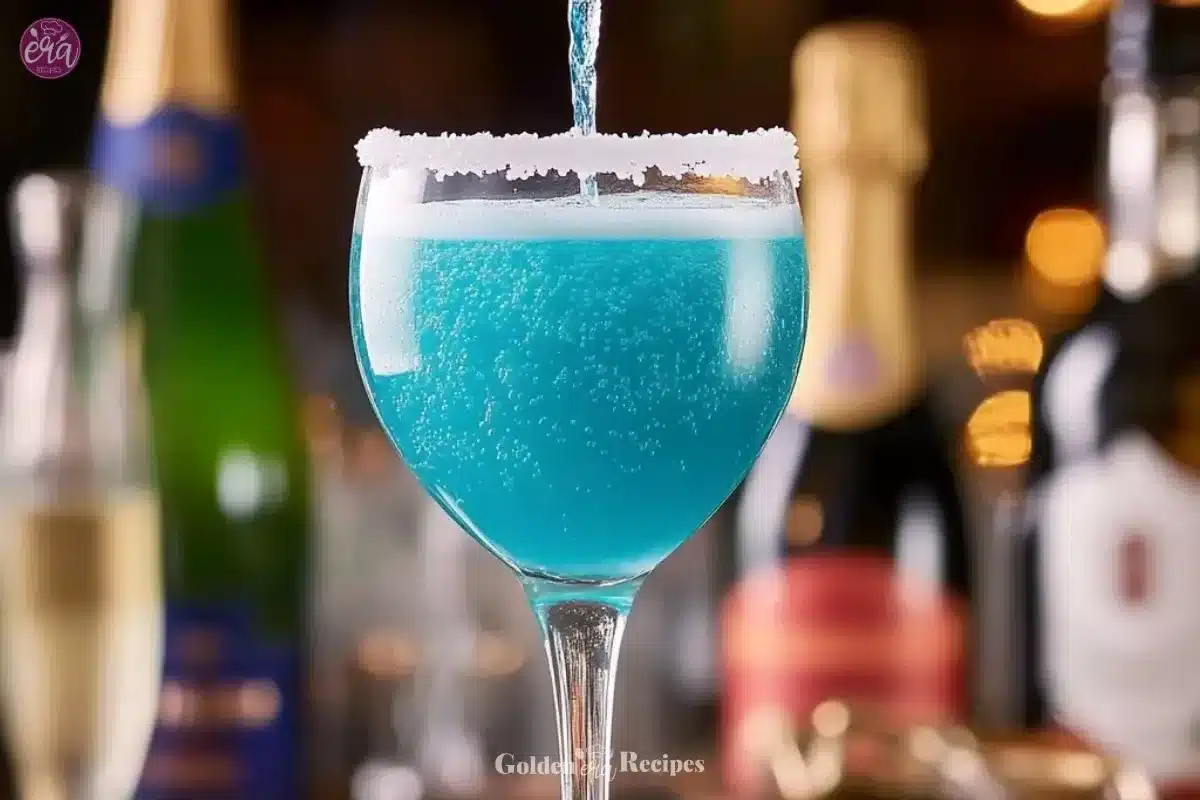

The kitchen smelled like citrus peel and warm spice before the snow had even finished falling. I remember carrying a tray of tall flutes, their rims dusted with frost, and watching my children press their cheeks to the window to count silver pines outside.
Winter Mimosa was always the bright promise of a pause, a small glass that made conversation softer and hands warmer. The drink gleamed like pale sunrise, and its scent orange blossom and a touch of cranberry tartness folded into the steam from a pot of stew on the stove. That memory still guides how I make it today, with slow attention and the same old spoon I have had for decades.
If you would like a gentle sweet with a sparkle to bring to a family table, this is the recipe that hugs the afternoon and keeps the stories coming, and you can pair it simply with treats like our Winter Wonderland cookie recipe for a complete, warming spread.
Why Winter Mimosa Belongs in Your Kitchen Story
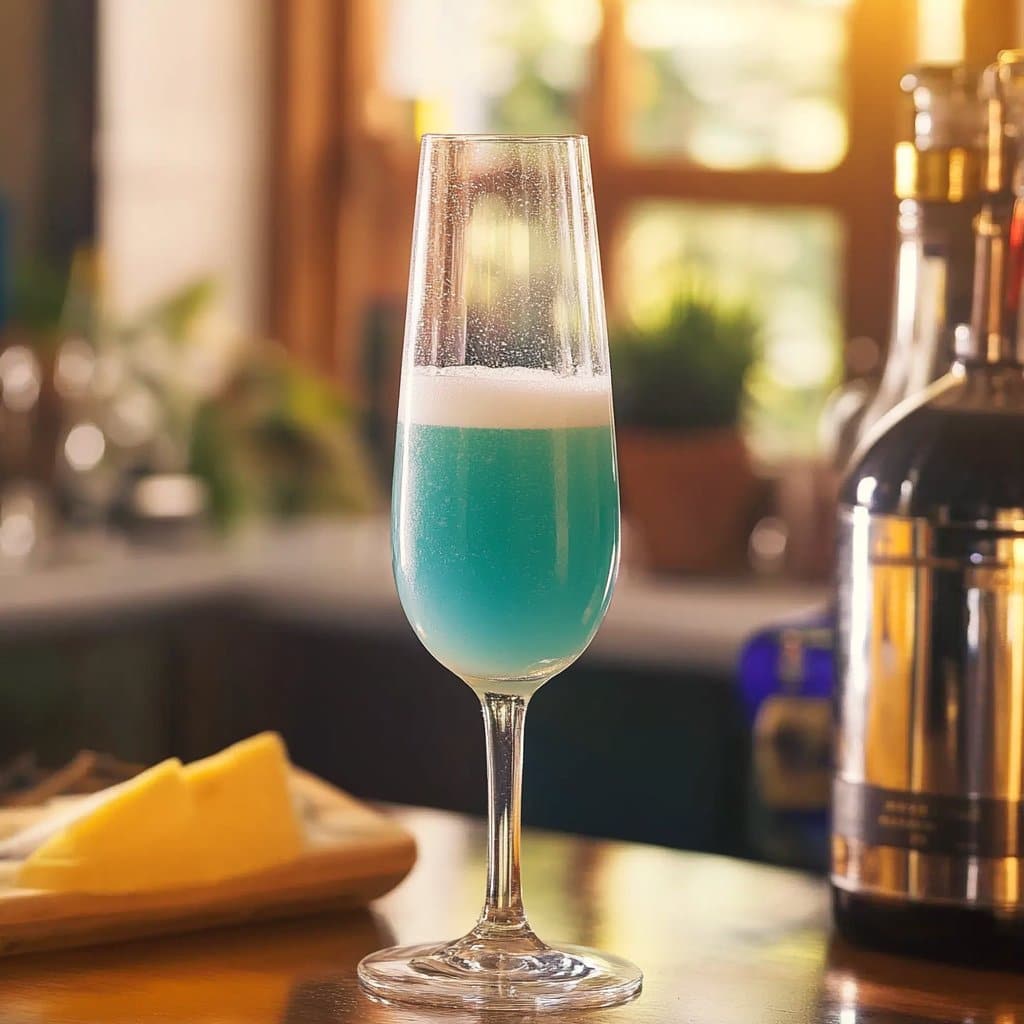
Winter Mimosa is not only a drink. It is a small tradition, a bridge between a busy day and a long evening of slow talk. My mother used to set a tray by the stove and call us in from our boots and scarves. The bubbles made us feel festive. The fruit made the air smell like the old winter bazaars.
This drink carries memory. It carries the idea of making time. When I pour a flute, I remember the feel of knitted sweaters and the first child to laugh at a shared story. That warmth is the reason I keep this recipe handy. It feels like a warm letter exchanged between generations.
Meanwhile, the recipe teaches patience. Use a steady hand when you pour. Watch how the juice meets the sparkling wine and how the color changes. Those small motions are a kind of ritual. If you like sweet breads or a bright pastry, try serving a plate with our Winter Wonderland cookie recipe to keep the table cheerful and full.
How to Make Winter Mimosa
“Every time I stir this pot, it smells just like Sunday at home.”
This section gives a quick look at how the drink comes together. It is a simple assembly of bright juice, a spoon of liqueur for depth, and a cold, sparkling wine that lifts the flavors. As you combine them, look for the color to brighten the pale gold of champagne against the coral of cranberry, or the sunny orange of fresh juice. The aroma is citrus first, soft on the nose, followed by a hint of the liqueur. Texture matters here. A silky surface and a gentle string of bubbles tell you the drink is balanced.
Before you gather tools, know this: a chilled bottle and chilled glasses make the first impression. Use flute glasses for tradition, or a coupe for something older-fashioned. Have a small jigger or spoon for the liqueur and a steady hand for the sparkling wine. If you care for a quieter fizz, pour slowly along the side of the glass.
You can find more small, cozy recipes to pair with this at the bakery table or by revisiting childhood treats like our Winter Wonderland cookie recipe. Once you are ready, move on to the list below for exact ingredients. From there this drink comes together quickly.
Winter Mimosa
Ingredients
Method
- Chill your flute glasses for at least 15 minutes in the freezer.
- In a champagne flute, pour the liqueur and juice gently to mingle without splashing.
- Use about 1/2 to 1 ounce of liqueur per glass; adjust according to taste.
- Top with champagne or sparkling wine, tilting the glass slightly and pouring slowly to maintain fizz.
- Garnish with fruit slices or herbs as desired.
- Serve immediately and enjoy while the bubbles are lively.
Nutrition
Notes
Tried this recipe?
Let us know how it was!Ingredients You Will Need
Champagne
Sparkling wine
Prosecco
Liqueur (e.g., orange liqueur)
Juice (e.g., orange or cranberry juice)
Fruit slices for garnish (optional)
Friendly notes for choosing ingredients: use fresh, cold orange juice if you can; it brightens both scent and flavor. For a deeper winter color, choose cranberry juice or a mix of cranberry and orange. If you prefer less sweetness, select a dry sparkling wine like brut. If you want to feel a richer, rounder mouthfeel, Prosecco often brings that with its softer bubbles. The liqueur adds a warm note; an orange liqueur such as triple sec or Cointreau is classic. If you are feeling playful, a splash of elderflower liqueur gives a floral lift.
Small tip: chill your glasses for at least 15 minutes in the freezer for a crisp presentation. A frosted flute makes the entire experience feel like a treat.
Step-by-Step Directions
- In a champagne flute, pour the liqueur and juice.
Pour gently so the two mingle but do not splash.
Use about 1/2 to 1 ounce of liqueur per glass to start; adjust for taste. - Top with champagne or sparkling wine.
Tilt the glass slightly and pour slowly to keep the fizz.
Watch for a soft crown of bubbles to form at the top. - Garnish with fruit slices if desired.
A thin slice of orange or a few cranberries on a pick look lovely.
Add herbs like a small mint leaf for a fresh scent. - Serve immediately and enjoy!
Pass the tray with steady hands and warm smiles.
Toast to the small, shared moments and the stories you remember.
Mini tips within the steps: If you prefer a layered look, pour the sparkling wine over the back of a spoon. Stir gently only if you need to mix stronger juices into the liqueur. If you want a glossy surface to your drink, watch for the tiny bubbles to settle before serving.
Bringing Winter Mimosa to the Table

When I carry a tray of Winter Mimosas to the table, I think about light and comfort. The flutes catch the lamp glow and make the color brighter. We do not always eat perfectly, but the small rituals make the table a place for listening. A wooden board with fruit, a loaf of warm bread, and a bowl of roasted nuts help the drink feel like part of a meal and not just a toast.
Think of the setting as part of the recipe. Lay down a linen, place a small plate of spiced nuts nearby, and set a bowl of citrus wedges. Children can be given special nonalcoholic versions in short glasses. This keeps everyone included and honors the spirit of sharing.
From there, pairings matter. A rich cheese like brie balances the tartness of cranberry. A soft, buttered scone warms the mouth so the bubbles taste brighter. If you are baking, try making small biscuits or batch cookies and keep them on a low tray where people can reach. And if you like to end the meal with sweets, our Winter Wonderland cookie recipe is a wonderful companion that adds crunchy sweetness beside the soft lift of the mimosa.
How to Keep This Dish Restorative Tomorrow
If you have any leftover mix, the simple rule is to separate the sparkling wine from the juice and liqueur. Bubbles live a short life once exposed, so store the juice and liqueur mixture in a sealed jar in the fridge. It will stay bright for one to two days.
If you must pre-mix for a crowd, mix the juice and liqueur in a pitcher and keep it chilled. Top each glass with sparkling wine just before serving to preserve the froth. You can store the mixed juice in the refrigerator up to 48 hours, but always taste it before using; fresh juices fade quickly.
For nonalcoholic versions, use sparkling water or a good quality nonalcoholic sparkling wine. Keep these chilled and buy them the day of serving if possible. Once poured, a mimosa is best enjoyed within minutes. If there are slight changes the next day, the flavors often deepen; the citrus becomes softer and the liqueur more present. That can be pleasant in a tiny glass as a midnight sip, but it is not the same as a freshly poured flute.
Authority note: keep refrigerated between 34 and 40 degrees Fahrenheit for the best preservation. Use airtight containers and avoid storing next to strong-smelling foods to keep the juice clean and bright.
Dalida’s Little Secrets
- Use whole fruit.
When you can, steep a few orange peels in the liqueur for twenty minutes and then strain. It adds a warm, bitter brightness that balances the sugar. - Temper the temperature.
Never pour warm juice. Serve everything well chilled to keep the bubbles lively and the texture crisp. - Try a fractional mix.
If you like a less alcoholic drink, use half sparkling wine and half sparkling water, then add the liqueur in a small dash. This keeps the texture and lowers the strength. - Bubbles vary by size.
Large bubbles give a creamier sensation, while tiny bubbles feel lively and bright. Prosecco leans toward larger, creamier bubbles; champagne is finer. Choose to match the mood at your table. - Garnish with intention.
A rosemary sprig gives a pine scent that feels like a cabin; a strip of orange peel twisted over the glass releases oils that lift the aroma. Small choices make the drink richer by smell.
These tips are small acts of craft. They show a deepening of the recipe, not a change in its heart. When I teach a young friend how to make Winter Mimosa, I show them how the peel oils spray into the glass and I watch their face when they taste it. That look is the reward.
Heritage Variations

Families around my table have always added small changes. One aunt used honey instead of liqueur for a softer sweetness. Another cousin preferred a dash of cinnamon on the rim for a winter spice note. In coastal homes, people add a fragrant citrus like blood orange for color.
In my village, we sometimes mix ruby pomegranate juice with a splash of grenadine to add a jewel tone to the drink, then float a slice of tangerine on top. In the city, friends prefer using a bright Prosecco and a floral liqueur for something delicate and modern. Each version tells a story about the place where the recipe lives.
If you are interested in a richer, spiced version for a late dinner, warm a small pot of apple cider with a cinnamon stick, cool it, and then use it as part of the juice. It gives the mimosa a autumn-to-winter depth and feels like an old house settling around a fire. Our family also sometimes folds in a small amount of pomegranate seeds for texture; they pop like tiny jewels as you sip.
FAQs About Winter Mimosa
Can I use honey instead of sugar?
Yes, it gives a softer sweetness and reminds me of my mother’s spring version. Use a thin syrup of honey and warm water to help it blend.
What if I do not want alcohol?
Use a quality sparkling water or a nonalcoholic sparkling wine. Keep the liqueur out and add a touch of fruit syrup if you want depth.
How long can I keep the mixed juice?
Stored in an airtight jar in the fridge, the juice and liqueur mix lasts up to 48 hours. Taste before serving to check the brightness.
Which glass is best?
A flute holds the bubbles and lets the aroma rise. A coupe feels old-fashioned and is lovely for a slower, nostalgic moment.
Can I make a large batch for a party?
Yes, mix the juice and liqueur in a pitcher and chill. Add sparkling wine to each glass as guests take them to keep the fizz fresh.
These are friendly answers from my kitchen to yours. I find that simple honesty helps people be confident and generous at the stove.
Conclusion
Until the next meal, Winter Mimosa will stay as a quiet invitation to gather. If you want a slightly different bright note, try a recipe like a cranberry orange mimosa recipe that leans into tart fruit and seasonal tone. For a warm, spiced celebration with a hint of wassail, you might enjoy a winter wassail mimosa variant that mixes comforting spices into the sparkle.
Thank you for bringing this small, gentle drink into your circle. Make it slowly, pour it kindly, and let the conversation find its own length. Keep the glass chilled, the liqueur warm with memories, and the stories ready to pour.
Let’s Stay Connected on Pinterest
I share more than just recipes. I share everyday wellness ideas, simple kitchen swaps, and the kind of meals that make you feel cared for. Join me on Pinterest and save your favorites to inspire a healthier tomorrow.