

I remember the kitchen light in late afternoon, the slices of sweet onion catching the sun and turning soft and translucent in my mother’s hands. The air would fill with a warm, oniony sweetness that felt like a hug. My grandmother hummed old songs while she layered butter and cheese. When she pulled the dish from the oven, the edges glowed gold and the whole family gathered close as if the sound itself were an invitation.
That scent, the soft give of baked onion, and the gentle crackle of melted cheese are what I think about on quiet evenings. Tennessee Onions are simple, honest comfort. They ask nothing grand, and yet they bring everyone home.
Why Tennessee Onions Belongs in Your Kitchen Story
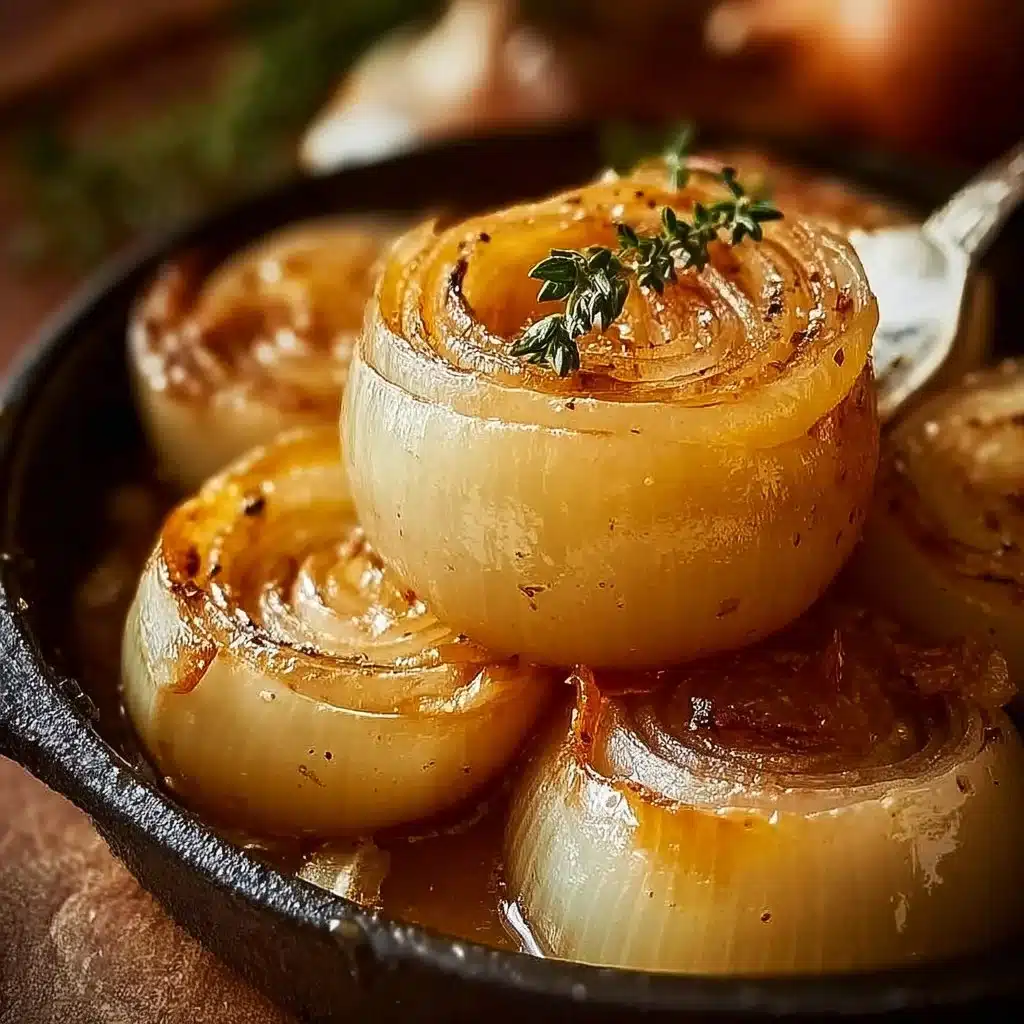
There is a reason some recipes live in a house for generations. They carry memory. Tennessee Onions were a Sunday tradition in my family. We did not always have much. But we always had onions, butter, and a block of cheese. Together, they became ritual. The dish warmed us in winter and brightened long summer nights.
This recipe feels like a conversation between texture and flavor. The sweet onion becomes tender and slightly jammy. Butter melts into tiny pools. Cheeses brown and blister in places, and herbs lift the whole thing with a green note. When I make Tennessee Onions now, I listen to the kettle, and I think of my sister laughing at the table. Meanwhile, the dish asks to be shared. It makes a plain meal feel like a small celebration.
From a practical point of view, Tennessee Onions is forgiving. It travels well from kitchen to table. It stretches ingredients into a generous share. This is what keeps it alive in family cookbooks and memory. Once baked, the aroma draws people in. Afterwards, the dish sits warm and inviting, soft at the center, crisp at the rim.
How to Make Tennessee Onions
“Every time I stir this pot, it smells just like Sunday at home.”
Before you begin, picture the colors. The onion rings turn from pearly white to a pale gold. Butter pools in glossy ribbons. The cheeses go from soft and cool to a bubbling, browned blanket. The aroma is sweet and buttery with a whisper of herbs.
Start with a good baking dish. A shallow ceramic or glass dish around 9×13 inches works well. Choose sweet onions for their milder taste and gentle melting quality. Meanwhile, have a heavy knife and a large mixing bowl ready. This recipe moves quickly once the oven is hot. From there, the oven does the steady work while you set the table and pour a glass of something warm or cool.
You will notice texture cues as you cook. The centers should be tender when a fork meets them. The top should show golden bubbling and little brown spots. Once the cheese bubbles and the edges darken slightly, the dish is ready. From my experience, resting it five to ten minutes before serving improves the set and makes portioning easier.
Ingredients You Will Need
- Sweet onions
- Butter
- Cheddar cheese
- Monterey Jack cheese
- Cream cheese
- Herbs (such as thyme or rosemary)
- Salt
- Pepper
Use fresh parsley if you can; it brightens the flavor. Choose a real block of Cheddar and Monterey Jack rather than pre-shredded for a cleaner melt. Meanwhile, a high-fat cream cheese makes the topping luxuriously smooth. If your herbs are dry, use a bit less. Fresh herbs bring a light, grassy lift that feels like sunlight on the tongue.
Step-by-Step Directions
- Preheat the oven to 350°F (175°C).
Make sure the rack sits in the center.
Give the oven time to reach the right heat. - Slice the sweet onions into rings.
Keep the rings even so they cook the same.
If some are large, separate into two rings. - In a baking dish, layer the onion slices.
Spread them so they sit flat and overlap a touch.
A single layer helps them soften evenly. - Scatter butter pieces over the onions.
Use cold butter cut into small pats for even melting.
Watch it melt into little golden pools. - In a bowl, mix the cheeses and herbs, then layer over the onions.
Break cream cheese into pieces and stir until creamy.
Use a spatula to spread an even blanket of cheese. - Season with salt and pepper.
Season gently at first; cheese adds salt too.
Taste a small piece of onion raw if unsure. - Cover with foil and bake for 25-30 minutes.
The foil traps steam and helps the onions soften.
Check at 25 minutes for tenderness. - Remove foil and bake for another 10-15 minutes until golden and bubbly.
Let the top brown and the edges crisp a little.
Watch for golden edges and bubbling cheese.
A few mini tips while you cook. When you layer the onions, press them slightly so they nestle together. Stir the cheese mixture until glossy and smooth; it will spread easier. If you like a deeper caramel note, you can broil for a minute or two at the end, but watch closely so it does not burn.
After baking, let the dish rest for five to ten minutes. This helps the cheese set so you can serve neat portions. Use a wide spatula to lift each piece, and slide it onto warm plates. The center will be soft and melting. The rim will carry a faint crisp that contrasts with the tender middle.
From an equipment viewpoint, I prefer a ceramic dish for even heat, but glass or metal will work. A shallow dish helps the cheese brown. If you choose a deeper dish, increase the initial covered bake by five minutes. For accuracy, a thermometer is not needed here; rely on visual cues and a fork test. The whole bake takes around 35 to 45 minutes including uncovering, plus a few minutes to rest.
Bringing Tennessee Onions to the Table
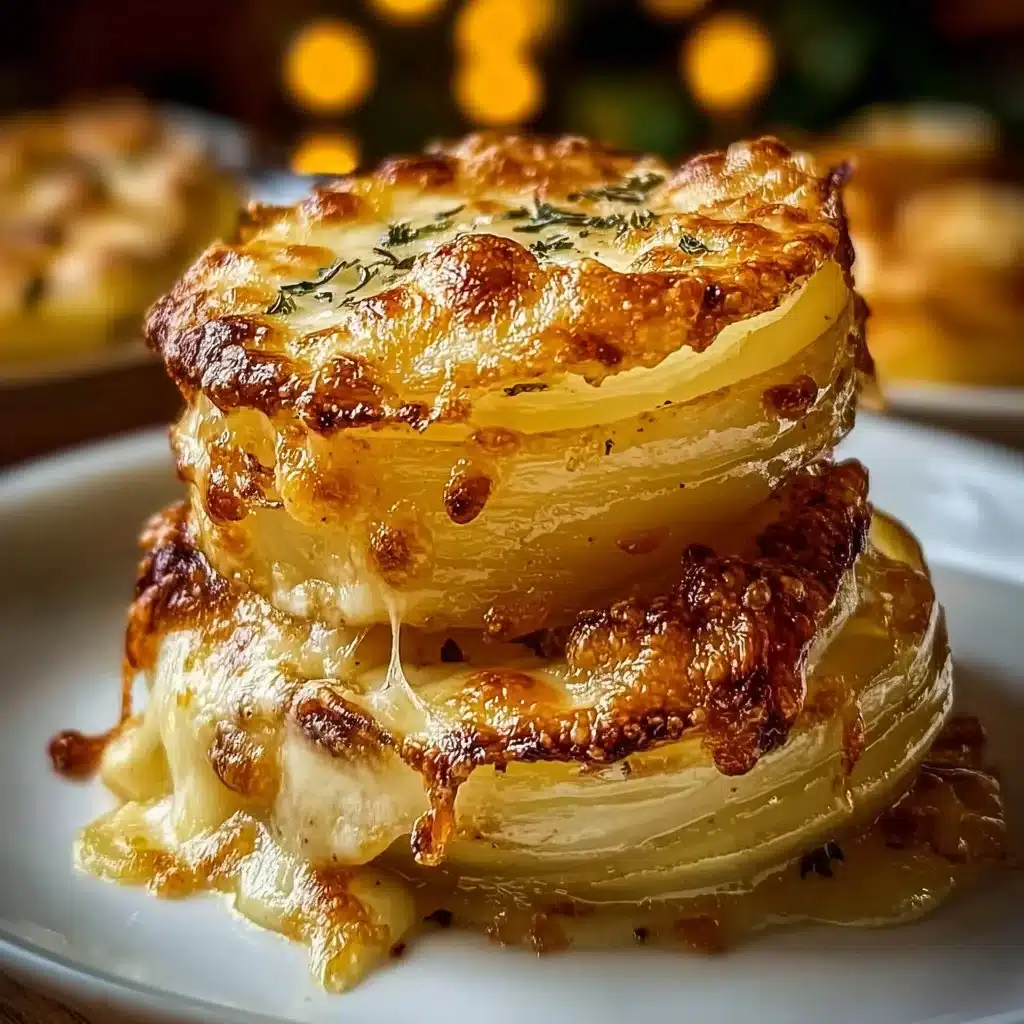
The first time you put Tennessee Onions on the table, you will notice how people lean in. The aroma is a gentle greeting. Place the dish in the center with a serving spoon. If you serve with warm bread, it becomes a family-style spread where everyone can take a bit of comfort.
I like to set simple sides beside it. A green salad with a tangy vinaigrette lifts the richness. Roasted potatoes or a simple roast chicken round out the meal. For lighter fare, serve it with steamed greens and a slice of crusty bread. Meanwhile, a glass of iced tea or a soft white wine pairs well. The gentle sweetness of the onions meets acid in the drink and feels balanced.
The textures at the table matter. Scoop a piece that has a shouldered edge. The contrast of the golden edge with the soft center is part of the charm. People close to me loved scooping their bread through the cheesy juices. Children often ask for second helpings. The dish invites sharing and small talk. Over years, it became a way to settle the family after busy days.
Serving is also about warmth. I preheat plates for a few minutes in the oven if I can. Warm plates keep the dish cozy and slow the cooling. From there, pass the dish slowly and give a small smile. The act feels like passing a memory forward.
How to Keep This Dish Restorative Tomorrow
Tennessee Onions can taste even better the next day. The flavors settle and the cheese becomes silkier. Once cooled to room temperature, transfer the leftovers to an airtight container. Place a layer of plastic wrap directly over the surface if you want to limit dryness.
Refrigerate for up to three days. When you reheat, use the oven for best texture. Preheat to 325°F (160°C). Cover the dish with foil to keep moisture, and warm for 10 to 15 minutes, or until heated through. Remove the foil for the last few minutes to revive the golden top. Alternatively, reheat single portions in a small skillet over low heat. Cover and warm slowly until the center is soft.
Freezing is possible but changes the texture slightly. If you must freeze, cool completely, then wrap tightly and freeze for up to one month. Thaw overnight in the refrigerator before reheating. The cream cheese may be a touch grainy after freezing, but the flavor remains comforting.
If you plan to serve this the next day for guests, make the cheese mixture fresh and assemble the night before. Cover and refrigerate. When you are ready, let it sit at room temperature for 20 minutes, then bake as directed. This saves time and keeps the top fresher while still offering the same homey taste.
Dalida’s Little Secrets
- Use a mix of cheeses.
Cheddar brings tang and color. Monterey Jack offers a smooth melt.
Cream cheese binds and gives a gentle tang. - Keep the onion slices even.
A mandoline helps if you have one.
Even thickness gives uniform cooking. - Salt lightly at first.
Cheese carries salt, and onions release sweetness as they cook.
You can always add a small sprinkle at the table. - Add fresh herbs at the end.
Sprinkle parsley or thyme after baking for a bright finish.
Heat dulls the herbs, so add them just before serving. - Watch the edges.
The edges should be a tender dark gold, not black.
If the top browns too fast, tent with foil.
Over the years, I learned patience is the greatest secret. Let the oven do its slow work. Do not rush the uncovering stage. Small waiting makes a gentler texture and a deeper flavor.
Heritage Variations
Every family that keeps this dish has its own small turn. Some people like to caramelize the onions first in a skillet. This adds a deeper, almost sweet-brown flavor. Others slice the onions into wedges instead of rings for a rustic look.
In our family, some members add a thin streak of bacon between layers. The smoke adds a savory note that pairs well with the cheeses. Another variation is to add a thin layer of tomato slices under the cheese for a bright, slightly acidic contrast.
From a regional view, people in the South sometimes add a touch of sugar or honey to emphasize the sweetness. Up north, where dishes often need more heft, some add breadcrumbs mixed with melted butter on top for crunch. Meanwhile, for a lighter version, reduce the cream cheese or swap half of the butter for olive oil.
If you want a vegetarian twist that still feels rich, try roasting the onions a bit more before assembling, and use a smoked cheese for depth. Or add roasted bell peppers for color and a sweet note. Each variation tells a story. Each change makes the dish yours.
Discover More Heritage Recipes
Every recipe carries a piece of memory, care, and tradition. If you enjoyed this dish, you might also love the other comforting meals I’ve shared from my kitchen. Each one is crafted with the same patience and heart that have guided me for decades.
👉 Explore More Heritage Recipes Here
Tennessee Onions
Ingredients
Method
- Preheat the oven to 350°F (175°C) with the rack in the center.
- Slice the sweet onions into even rings, separating larger pieces into two rings.
- In a baking dish, layer the onion slices flat and slightly overlapping.
- Scatter cold butter pieces over the onions.
- In a bowl, mix the cream cheese, cheddar, Monterey Jack, and herbs until creamy.
- Layer the cheese mixture evenly over the onions.
- Season with salt and pepper to taste.
- Cover the dish with foil and bake for 25-30 minutes.
- After 25 minutes, check for tenderness, then remove the foil and bake for another 10-15 minutes until golden and bubbly.
- Let the dish rest for 5-10 minutes before serving to allow the cheese to set.
- Use a wide spatula to lift portions onto warm plates.
Nutrition
Notes
Tried this recipe?
Let us know how it was!FAQs About Tennessee Onions
Can I use yellow onions instead of sweet onions?
Yes. Yellow onions will be stronger and more savory. Slice them a bit thinner and watch the flavor. Sweet onions remain milder and melt more gently.
Can I make this without cream cheese?
Yes. Use extra Monterey Jack to keep creaminess. The texture will shift but it will still be comforting. I sometimes skip cream cheese when I want a lighter top.
How do I know when the onions are done?
A fork should slide through with little resistance. The centers will be soft and slightly translucent. Look for bubbling cheese and a light golden top.
Can I prepare this a day ahead?
Yes. Assemble and cover, then refrigerate. Let it sit at room temperature for 20 minutes before baking. Bake as directed and allow a few extra minutes if very cold.
What herbs work best?
Thyme and rosemary are classic. Thyme gives a warm green note. Rosemary is stronger; use it sparingly. Fresh parsley is lovely at the end for brightness.
A Closing Note
Conclusion
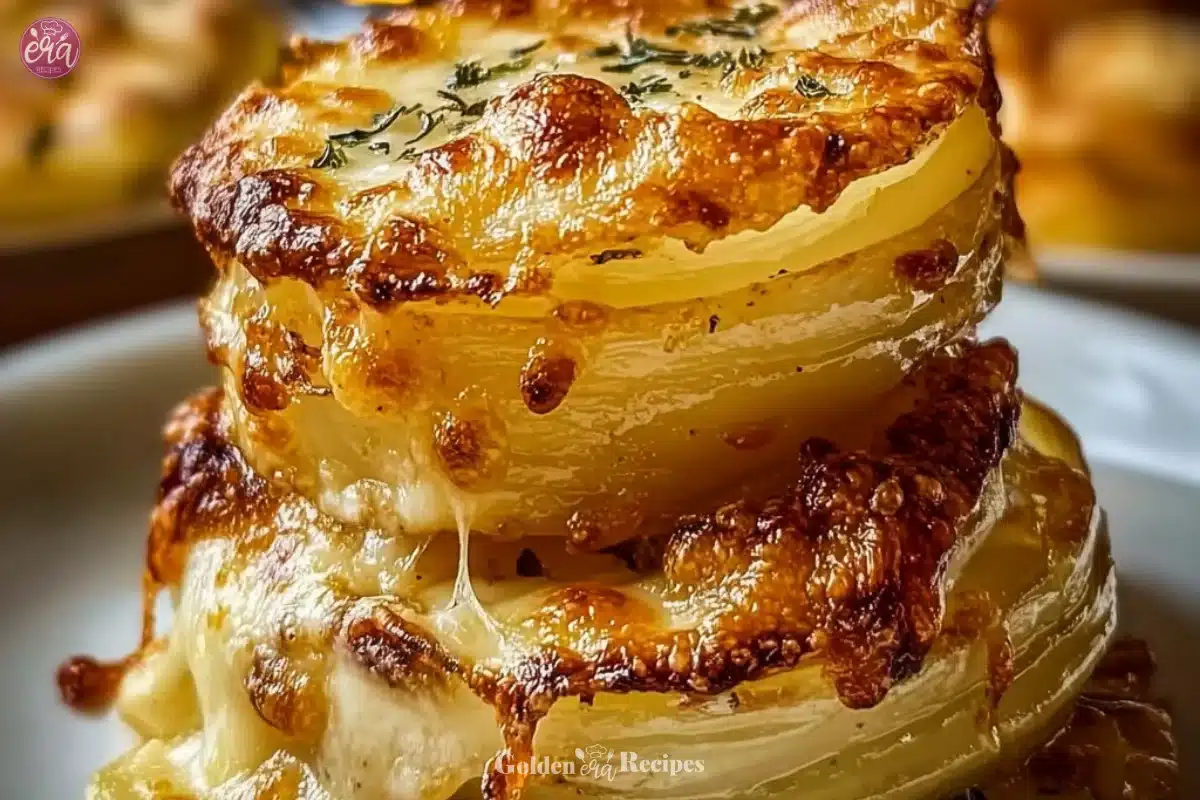
In the quiet of a small kitchen, Tennessee Onions bring comfort, memory, and warmth. They teach us that simple things can hold deep meaning. This dish asks only for a few good ingredients and a patient oven. It returns the favor with aroma, softness, and the kind of taste that makes people stop and listen.
If you would like another take on this classic, you might enjoy this version for reference at Tennessee Onions Recipe | The Kitchn. For a slightly different approach and tips, see this thoughtful guide at Best Tennessee Onions Recipe.
Until the next meal, may your kitchen hold small rituals and warm conversations. Light a lamp, pull out a baking dish, and let this modest recipe become a new memory at your table.