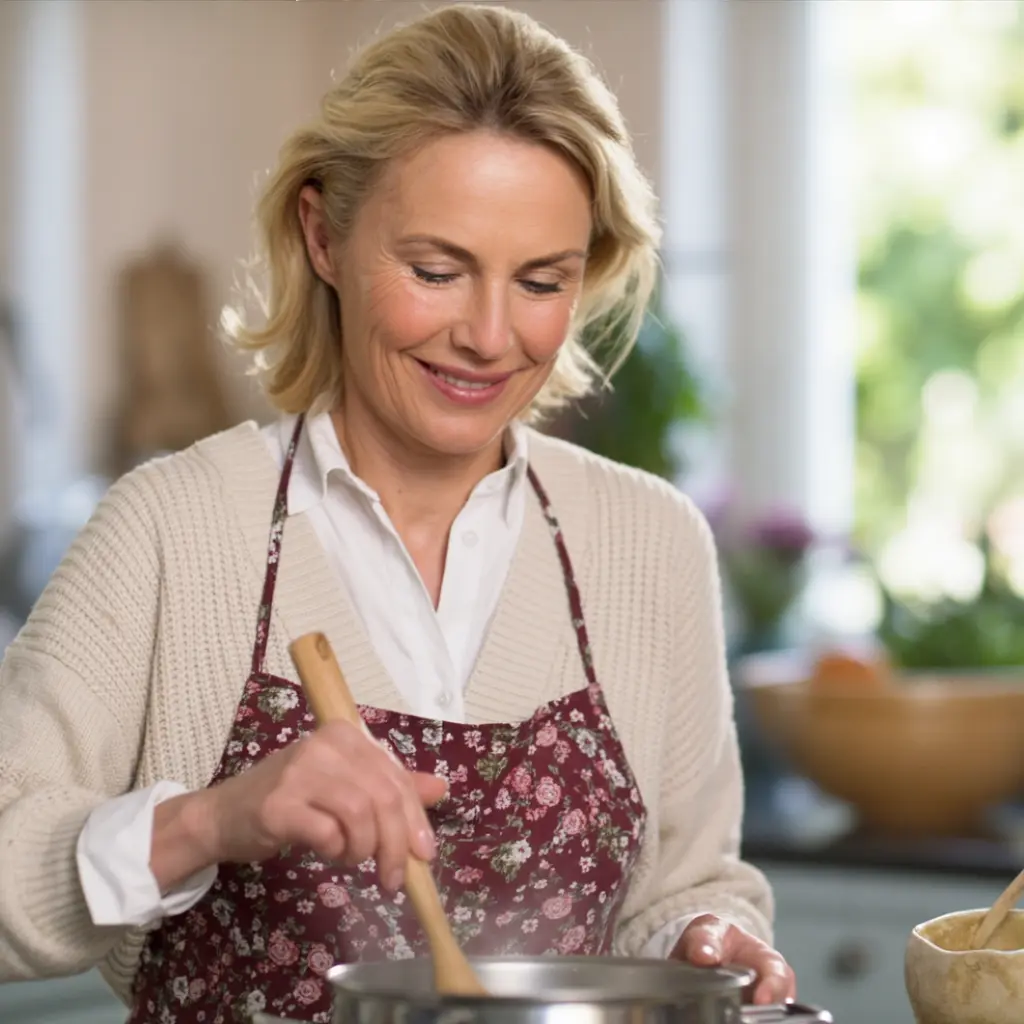

I remember the first time I learned to fry these soft buns. The kitchen was small and warm, early light filtering through the curtains, and my grandmother stood by the stove with flour on her hands and an apron tied low.
The dough smelled faintly of honey and yeast, like a promise, and when the oil hissed and the buns turned golden, the whole house seemed to lean in to listen. That memory lives in every batch I make, and it is the reason I return to Soft Fried Buns whenever I want to gather my family around a small, bright table.
Why Soft Fried Buns Belongs in Your Kitchen Story
Soft Fried Buns are more than a recipe. They are a bridge to afternoons spent with cousins, to the sound of spoons clinking in a waiting bowl, to the quiet approval of an elder who taught you how to fold the dough.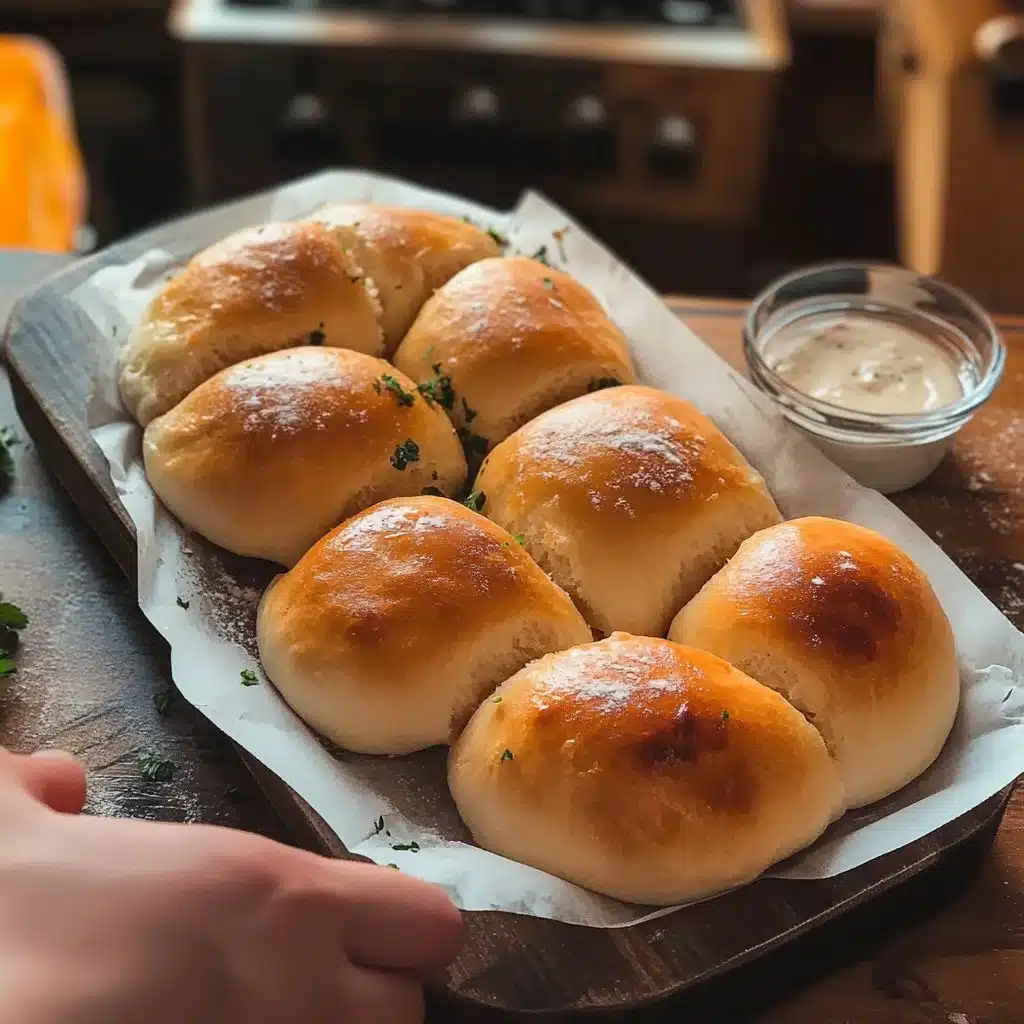
These buns carry small habits and large gestures. The way you knead until the dough stretches, the patient pause while it rises, and the gentle watch at the frying pan all hold a rhythm that teaches calm and care. For me, they are a recipe tied to lullabies and to laughter, and to the scent that pulls distant relatives home.
There is comfort in the simple flavors. Soft Fried Buns toast the exterior and keep a pillowy inside that yields with a little pressure, releasing warm steam and a smell that asks you to wait just a moment. When you place them on the table, people notice. They reach, they smile, they remember. That is why these buns belong in your kitchen story.
How to Make Soft Fried Buns
“Every time I stir this pot, it smells just like Sunday at home.”
Start with a clear plan. The dough needs a warm hand and steady time, but the steps are honest and kind. Expect a pale dough that grows soft and elastic, then a crust that turns gold and thin when it hits hot oil. As you fry, listen for a gentle, even hiss rather than a furious spit. That sound signals proper temperature and a tender interior.
Before you begin, gather your tools. You will want a large mixing bowl, a clean surface for kneading, a thermometer for the oil if you have one, and a slotted spoon or spider to lift the buns. From there, the process is simple and comforting.
Ingredients You Will Need
150 ml lukewarm milk
70 ml lukewarm water
7 g instant yeast
12 g honey
400 g all-purpose flour
7 g salt
30 g unsalted butter (room temperature)
A few side notes for shopping and small swaps. Use whole milk if you can for a richer crumb. If you have only granulated sugar, you can use a bit in place of honey, but honey gives a soft, gentle flavor that reminds me of spring mornings. For the butter, make sure it is at room temperature so it folds smoothly into the dough and keeps the texture soft.
Step-by-Step Directions
- Stir yeast into lukewarm milk, water, and honey. Rest until foamy (5-10 minutes).
Stir gently until the yeast dissolves and the surface shows bubbles.
If it does not foam, the yeast may be old; try a small test batch to be sure. - Add flour, salt, and butter. Knead until smooth and elastic (8-12 minutes).
Combine the dry ingredients, then add the foamy liquid.
Use your palms to push and fold until the dough feels silky and springs back. - Let rise until doubled (1-1.5 hours).
Cover the bowl with a cloth or plastic wrap and place in a warm spot.
Look for a soft dome and a dough that holds an indentation when poked. - Divide into 10 pieces and shape into balls.
Weigh or estimate to make even pieces for uniform frying.
Roll each between your palms until they are smooth and round. - Rest for 30-40 minutes until puffy.
Cover the shaped buns while they rest so they do not dry.
They should puff and look slightly lustered before frying. - Heat oil to 175°C (350°F). Fry buns in small batches until golden.
Use a thermometer if you have one; maintain steady heat for even color.
Watch for golden edges and a soft crackle; turn as needed for even browning. - Serve immediately for best texture, or keep warm in a low oven if needed.
Arrange on a paper towel briefly to drain excess oil.
These buns taste best the moment you tear them open.
A few quick tips as you follow these steps. When you knead, aim for a dough that stretches without breaking. If it tears, it needs a few more minutes. When you fry, do not crowd the pan; each bun needs room to turn and breathe. Serve them right away to enjoy that contrast of crisp outside and feather-soft inside.
Bringing Soft Fried Buns to the Table
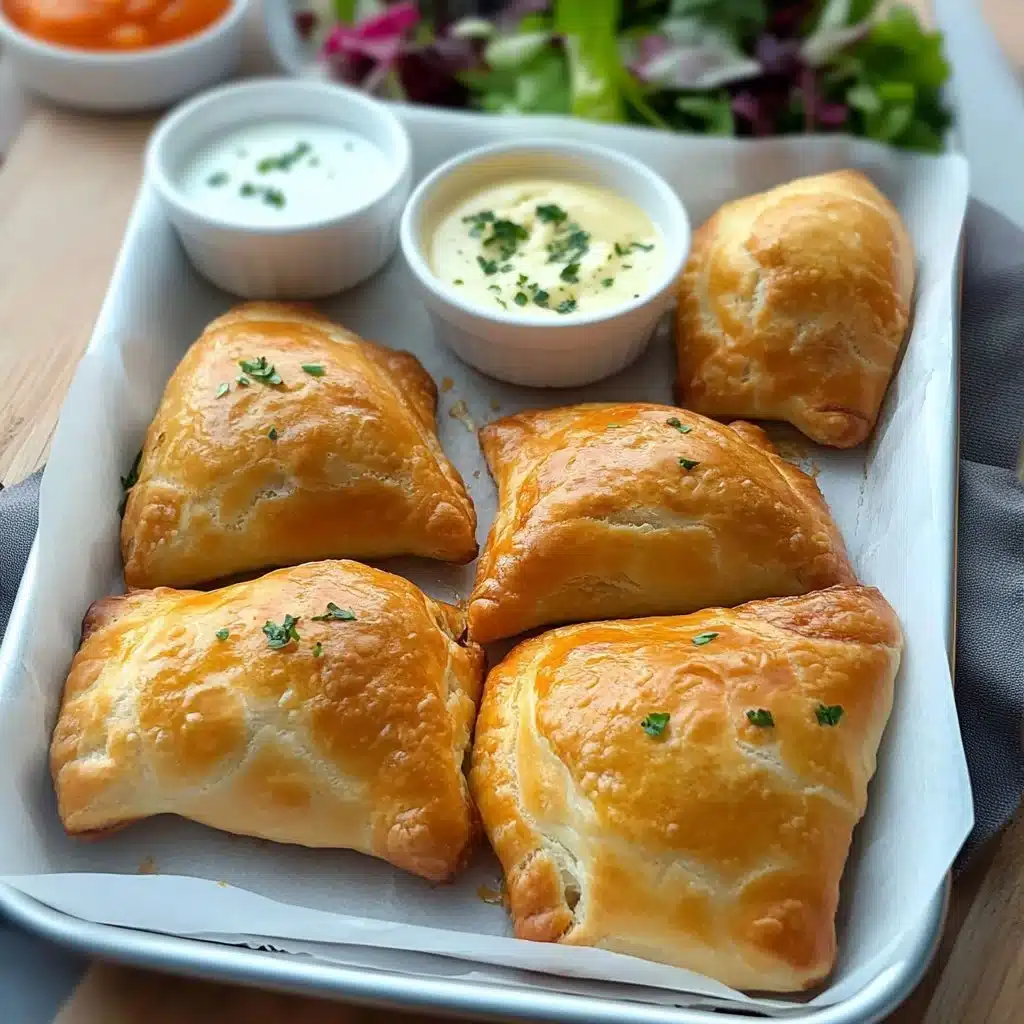
There is a gentle choreography to bringing these buns to the table. I often place a warm cloth over a basket, set small plates around, and leave a dish of butter or sweetened condensed milk nearby. The table hums with quiet conversation as hands reach for a bun and the first warm piece cracks open.
The color of the buns matters. A pale, even gold suggests the oil was just right. The aroma is shy at first, then opens into something honeyed and toasty. As you break one, steam rises in a soft cloud. The inner crumb should be ivory, soft enough to press with a fingertip and rebound slowly.
Serve with simple sides. A bowl of soup, a plate of pickled vegetables, or a pot of tea is all it takes. For children, a drizzle of sweetened condensed milk brings a little ceremony. For grown ones, a sliver of salted butter that melts slowly is exactly right. The point is togetherness. The food is an invitation, and the buns do most of the work.
Discover More Heritage Recipes
Every recipe carries a piece of memory, care, and tradition. If you enjoyed this dish, you might also love the other comforting meals I’ve shared from my kitchen. Each one is crafted with the same patience and heart that have guided me for decades.
👉 Explore More Heritage Recipes Here
Keeping the Comfort Alive
Soft Fried Buns are best on the day they are made, but there are gentle ways to preserve their comfort. If you must save them, cool them fully on a rack to let steam escape. Place the cooled buns in an airtight container for short storage.
In the refrigerator, they keep for up to two days. Reheat them briefly in an oven at low temperature to restore some of the crispness. For longer storage, freeze the buns in a single layer until solid, then transfer to a bag. Thaw overnight in the fridge and reheat in a warm oven for a few minutes.
When reheating, do not overbake. A quick warm-up restores the tender inside and crisp edge. Alternatively, reheat gently in a skillet with a tiny pat of butter to refresh the exterior. A little steam under a lid for thirty seconds can also renew softness.
Overnight, the flavors change in a gentle way. The honey rounds and the dough feels more settled. When you return to them, you will find a quieter, deeper comfort that can be coaxed back to life with heat and patience.
Dalida’s Little Secrets
- Use a thermometer for the oil if you can. It keeps you from over-browning the outside while leaving the center underdone.
A steady 175°C (350°F) gives a golden crust and even cook. - Rest the shaped buns under a clean towel so the surface does not dry.
If a dry skin forms, it will crack and interfere with the gentle rise in the pan. - A stand mixer with a dough hook saves arm time, but hand-kneading is a lovely ritual.
If you hand-knead, count to eight in loops and take a breath between sets. - For a lusher crumb, add a tablespoon of milk powder to the flour.
It enriches the dough and gives a softer mouthfeel without changing flavor. - Watch your yeast. If your kitchen is cool, give the dough a warmer place to rise, such as near a filled sink of warm water or inside the oven with the light on.
These small practices come from years of making buns for quiet breakfasts and loud family reunions. They are small, practical things that make each batch more forgiving and more likely to become a family memory.
Find More Recipes That Nourish Your Mornings
If this recipe helped you start the day with balance, you’ll love the others waiting in my kitchen journal. Each one is simple, wholesome, and tested in real life to make busy mornings feel calmer.
Family Twists on Soft Fried Buns
Every family adds a small twist. My sister likes a pinch of cinnamon in the dough for winter mornings. My cousin prefers stuffing the buns with a spoonful of sweetened red bean paste before frying, which gives the outside a toasted finish and the inside a warm jammy heart.
In coastal towns, some families brush the buns with a thin glaze of evaporated milk after frying, which creates a shiny, lightly sweet crust. Inland, others sprinkle crushed sesame or finely chopped roasted peanuts on top before serving for a crunchy contrast.
You can also go savory. Fold in a teaspoon of chopped scallion and a pinch of pepper into each bun for a mild savory turn. Or pair the buns with a bowl of curried vegetables for a meal that feels full and festive.
The regional variations tell stories. They show what was available, what people craved, and how one simple dough can adapt to many tables. Try one twist at a time and observe how the family responds. The best variation is the one that brings everyone back to the table.
FAQs About Soft Fried Buns
Can I use honey instead of sugar?
Yes. Honey gives a softer sweetness and brings a round, floral note that I often associate with my mother’s spring batches. It also helps with browning.
What if my dough is sticky and hard to shape?
Dust your hands lightly with flour and let the dough rest for five minutes. That rest helps the gluten relax and makes shaping easier.
How do I know the oil is the right temperature without a thermometer?
Drop a small piece of dough into the oil. It should slowly rise to the top and turn golden in a minute or two. If it browns too fast, lower the heat.
Can I bake these instead of frying?
You can bake for a softer, less crisp exterior. Bake at 200°C (400°F) for about 12-15 minutes until golden. The result will be tender but not the same toasted snap.
What is the best way to serve them to a group?
Make in batches and keep warm in a low oven. Serve with small dishes for dipping so everyone can choose how to enjoy them.
These answers come from years of making the buns for small breakfasts and large gatherings. I share them as someone who has learned from my family and from practice at the stove.
A Final Thought
There is a quiet ceremony in making Soft Fried Buns. Each stage asks for patience and tenderness. The dough needs you to pay attention, and the oil needs you to listen. When you give that time, the return is simple: warm pastries, soft inside, and a circle of people who slow down to enjoy them.
Making these buns is a way to pass time gently between generations. I have taught neighbors, nieces, and friends how to feel the dough, how to sense the rise, and how to watch the frying pan. They all come away with the same thing I did the first time: a memory folded into flour and a new way to gather.
If you keep one ritual, let it be this. Make a small batch for someone coming by, or bring a basket to a friend with a new baby. Let the smell and the warmth do the work of saying what words sometimes cannot.
Hungry for More Sweet Inspiration?
Don’t stop here! I’ve got a whole tray of cozy desserts waiting for you — from gooey cobblers to dreamy crisps and frosted muffins.
Conclusion
If you would like a different take that involves a chewy, pan-fried filling, I sometimes look to a detailed guide like a pan-fried mochi bun tutorial for ideas on technique and texture. For a sweet, nostalgic finish with a drizzle, I also recommend exploring a fried mantou with condensed milk recipe to see how others bring simple breads to life.
May your kitchen hold small rituals and loud laughter as you learn and share these Soft Fried Buns.
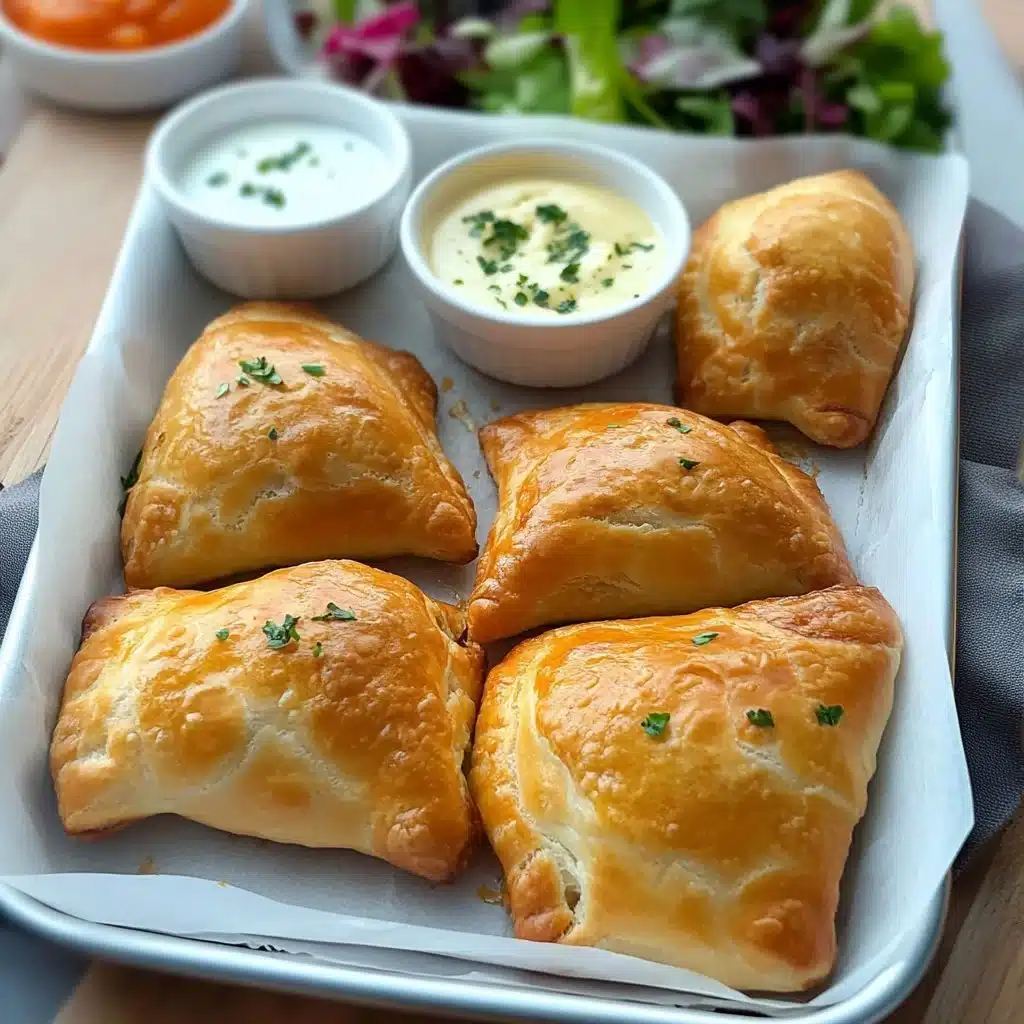
Soft Fried Buns
Ingredients
Method
- Stir yeast into lukewarm milk, water, and honey. Rest until foamy (5-10 minutes).
- Stir gently until the yeast dissolves and the surface shows bubbles.
- Add flour, salt, and butter. Knead until smooth and elastic (8-12 minutes).
- Let rise until doubled (1-1.5 hours), covering the bowl with cloth.
- Divide dough into 10 pieces and shape into balls. Rest for 30-40 minutes.
- Heat oil to 175°C (350°F). Fry buns in small batches until golden.
- Serve immediately for best texture, or keep warm in a low oven.