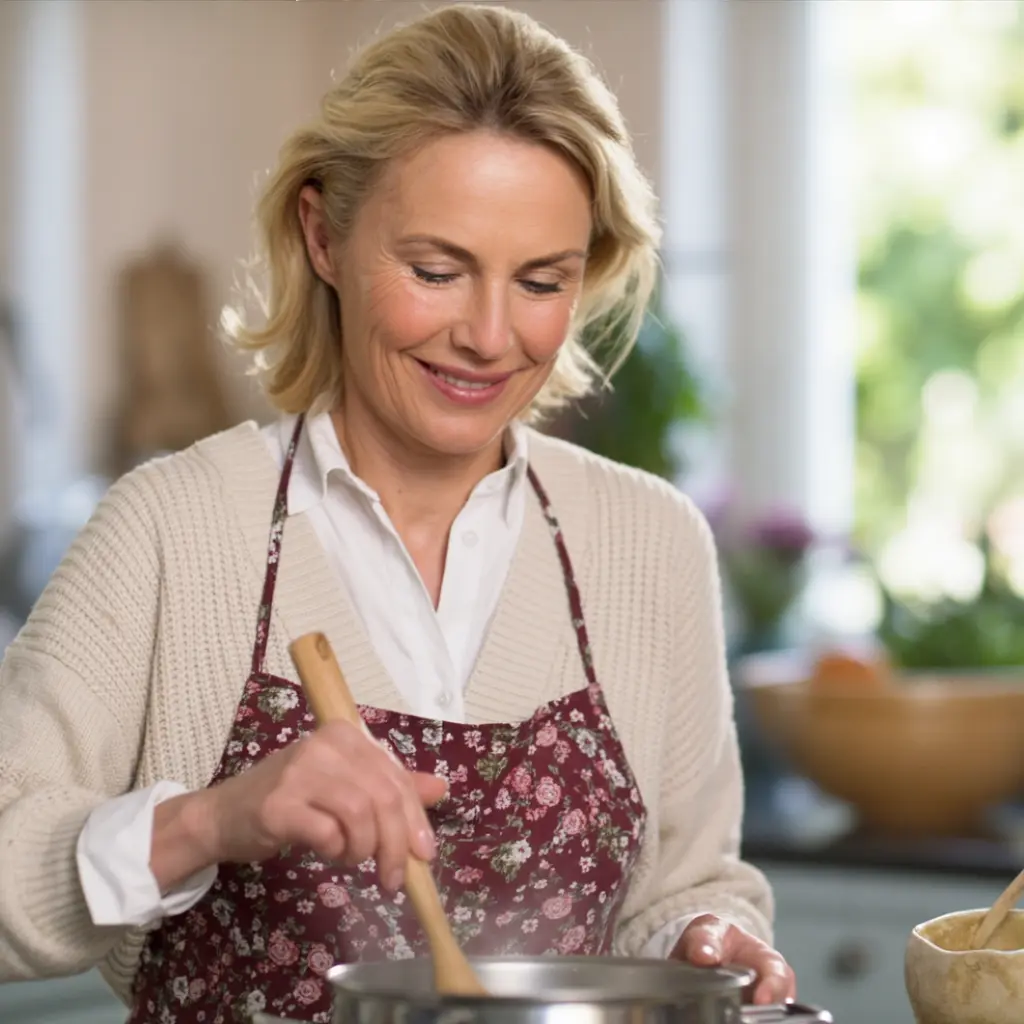

I still remember the steam rising from that heavy pot on my grandmother’s stove, the air full of paprika and garlic, the first bright curl of shrimp floating like a small promise. We gathered around the kitchen table with mismatched chairs, hands warm from stirring and laughter soft against the clinking of spoons. The rice held every color of the pot: copper from the sausage, rusty red from the tomatoes, and flecks of green from the scallions. That smell opened more than appetite; it opened stories.
Why Shrimp and Sausage Jambalaya Belongs in Your Kitchen Story
My family has kept this dish for generations. It is a meal that holds Sundays, birthdays, and sudden rainstorms when everyone came in from the porch and sat close to drink the heat. 
This jambalaya is not just food. It is a way to bring people back together after a long day. The warmth of the pot invites quiet talk, the kind that grows trust and slow smiles.
The dish carries comfort in its texture. Rice that has soaked up broth becomes soft and tender. Shrimp gives a sweet snap. Sausage offers salt and a little edge. Together they make a round, homey mouthful that feels like a hug. In my family, we say the pot remembers who cooked it. I can taste my grandmother’s hands in every bite.
I share this recipe because it is simple enough for a weeknight and generous enough for a small feast. It teaches patience and rewards the senses. Once you learn its rhythm, the recipe will be a map back to slow afternoons and family voices.
How to Make Shrimp and Sausage Jambalaya
“Every time I stir this pot, it smells just like Sunday at home.”
Before we list the ingredients, let me give you a quick view of how the dish comes together. You will brown the sausage to get that deep, savory taste and leave a bit of fat in the pot for the vegetables. Then you soften onions, peppers, and garlic until the kitchen smells like the start of something comforting. Toasting the rice brings a nutty note that helps each grain hold its shape after simmering. The tomatoes and broth join to create a warm, tangy bath. Shrimp, which cooks fast, are added near the end so they remain tender and pink. Finally, the sausage returns and the whole pot settles so flavors can meet.
As you cook, watch for color: the sausage should have brown edges, the vegetables should soften and become glossy, the rice should glow slightly before the liquids go in. The aroma moves from onion and pepper to warm and round. Texturally, aim for rice that is not mushy and shrimp that still feels firm to the bite.
Ingredients You Will Need
1 pound shrimp, peeled and deveined
1 pound sausage, sliced
1 cup rice
1 onion, diced
1 bell pepper, chopped
2 cloves garlic, minced
1 can diced tomatoes
2 cups chicken broth
1 tablespoon Cajun seasoning
Salt and pepper to taste
2 tablespoons olive oil
Chopped green onions for serving
Friendly side notes: use fresh parsley if you can; it brightens the flavor and adds a clean finish. If you can find andouille sausage, it gives a classic smoky kick, but any good smoked sausage will work. Choose medium-grain rice if possible; it holds up well without getting gluey.
Step-by-Step Directions
-
In a large pot, heat olive oil over medium heat. Brown the sausage until it has color and some crisp edges. Spoon the browned pieces onto a plate and leave a little fat in the pot for flavor.
Mini-tip: watch for golden edges; they add a nutty note. Do not crowd the pan or the sausage will steam instead of brown. -
Add the onion, bell pepper, and garlic, and sauté until softened, about 4 to 6 minutes.
Stir until glossy and fragrant. The onion should turn translucent but not brown. -
Stir in the rice and cook for a couple of minutes to toast lightly.
You will smell a gentle nutty scent when the rice is ready. This step helps each grain stay separate. -
Add the diced tomatoes, chicken broth, Cajun seasoning, salt, and pepper. Stir well.
Bring the pot together so the rice and liquids are evenly spread. Check seasoning now; it is easier to fix at this stage. -
Bring to a boil, then reduce the heat and simmer for about 20 minutes until the rice is cooked, checking at around 15 minutes and adding more liquid if needed.
The rice should be tender with a little bounce. If the top looks dry before the center is done, add a splash of warm broth and cover. -
Stir in the shrimp and cook until they are pink, about 3 to 5 minutes.
Watch closely. Overcooked shrimp turn rubbery. They should curl and become firm but still juicy. -
Return the sausage to the pot and let everything sit on low heat for a minute. Adjust seasoning as needed.
From there, let the flavors rest together briefly. The sausage releases its oils and the shrimp settle into the rice. -
Serve hot, garnished with chopped green onions.
Scatter the scallions over the top for a bright, crisp finish. Serve from the pot to keep the ritual alive.
Each step is a small conversation with the pot. Taste along the way, and let the pan tell you when to move on. Timing helps, but your senses are the best guide.
Bringing Shrimp and Sausage Jambalaya to the Table

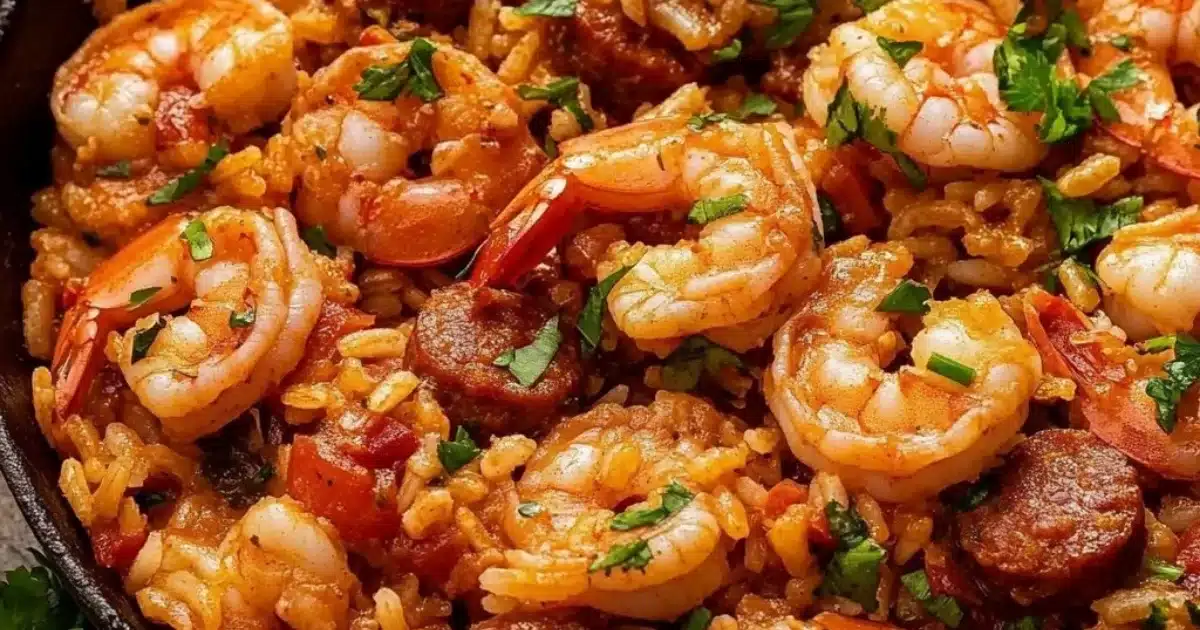
When the pot comes to the table, it fills the room before anyone sits down. Steam rises in lazy ribbons, and the first spoonful is warm and solid. In my house, we place the pot in the center and let everyone ladle out their portion. The rice is the anchor, dense with broth and tomato. The shrimp sit on top like little pink crescents, and the sausage makes small, rich islands.
Side dishes should be simple. A bowl of crisp lettuce with a light vinaigrette is enough to cut the richness. Slices of crusty bread invite sweeping up every last grain. For a weekend meal, I like to pair it with pickled okra or a jar of sweet-and-tart peppers from the pantry. Drinks are modest: cold iced tea, a citrusy beer, or a small glass of white wine.
Meal moments are gentle and unhurried. Someone tells a recent small joy. A child offers a story that makes everyone laugh. The food does not rush the conversation. It holds it. Afterward, the pot is easier to clean because it carried so much warmth.
Keeping the Comfort Alive
This jambalaya makes lovely leftovers. Once cooled, transfer it into an airtight container and refrigerate for up to three days. The rice will continue to absorb flavor, and in the morning the top will smell like a memory you can reheat.
When reheating, add a tablespoon of broth or water to loosen the rice. Warm gently on the stove over medium-low heat, stirring often. Microwave works too; cover the bowl and heat in short bursts, stirring between. For a crisp finish, spread the jambalaya in a skillet with a drizzle of oil and let the bottom brown before serving. This brings back some texture and a faint toasted note.
If you plan to freeze, cool completely and pack in freezer-safe containers. Freeze for up to two months. Thaw in the refrigerator overnight and reheat as above. Shrimp may become a touch softer after freezing, so add them fresh at the end of reheating if you prefer firmer seafood.
A note on safety: keep the dish chilled within two hours of cooking. Use shallow containers to cool faster. Reheat to a steaming hot temperature before serving.
Dalida’s Little Secrets
- Browning the sausage well matters. The caramelized bits at the bottom of the pot add a deep, savory layer. If you have time, brown in batches so each slice gets heat.
- Toast the rice briefly. This helps each grain keep its shape and gives a subtle nutty flavor that carries the broth well. I learned to do this from watching my aunt—she never skipped it.
- Shrimp go in late. They cook fast, and adding them too soon makes them lose their texture. Add just before you finish and cook until pink.
- Adjust the spice with care. Cajun seasoning can vary in heat. Start with the tablespoon, taste midway, and add more if you want more punch. For a milder touch, use half a tablespoon and serve hot sauce at the table.
- Use a heavy-bottomed pot. It spreads heat evenly and helps prevent sticking. A good wooden spoon is worth keeping; it stirs without taking away heat and carries a little memory of past meals.
These small rules came from years of practice. They save time and produce steady results. Trust your pan and your nose.
Family Twists on Shrimp and Sausage Jambalaya
Every family makes this dish its own. My sister adds a splash of Worcestershire for depth. My cousin likes to fold in a handful of frozen peas at the end for color and a gentle, sweet bite. In some families, tomato paste replaces diced tomatoes for a richer, darker base. Other households use long-grain rice rather than medium. Each choice maps to a family story.
In the coastal towns, people sometimes add a bay leaf and a few crushed peppercorns for a background perfume. Farther inland, cooks may swap shrimp for chicken when seafood is scarce. Some add okra while it is in season for a silky body that thickens the broth. Others prefer a touch of lemon zest at the end to brighten the whole pot.
If you like smoky heat, choose andouille and add smoked paprika. If you favor a lighter stew, use chicken sausage and reduce the oil. These variations show how the same recipe becomes a different memory in every kitchen.
FAQs About Shrimp and Sausage Jambalaya
Can I use frozen shrimp?
Yes, thaw them gently in the refrigerator and pat dry before adding. Thawed shrimp cook just as well and are easy to keep on hand.
What rice works best?
Medium-grain rice is ideal because it absorbs flavor while staying separate. Long-grain rice is fine if you prefer fluffier grains.
Can I make this gluten-free?
Yes. Check your sausage and Cajun seasoning for additives. Most plain sausages and seasonings are gluten-free, but always read labels.
How spicy will this be with one tablespoon of Cajun seasoning?
That will give a warm, noticeable spice for most people. If you prefer mild, start with half a tablespoon and let each person add hot sauce at the table.
Is jambalaya the same as paella?
They share roots in rice and shared pots, but jambalaya usually cooks everything together and uses tomatoes, while paella usually extracts flavor with a sofrito and may cook components separately.
A Final Thought
This pot of Shrimp and Sausage Jambalaya is more than a recipe. It is a gathering place for stories, a keeper of small truths. The scent that lifts from the kitchen reminds us to slow down and listen. The texture and color bring memories to the surface. When I ladle out a scoop, I feel the line of cooks who taught me — each fold and stir connecting me to a larger family.
Take this recipe into your home and make it yours. Let it teach you the patience of simmering and the joy of shared bowls. Over time, it will gather your additions, your preferred heat, your own small rituals. It will become a familiar voice at the table, calming and sure.
Conclusion
For a classic take on shrimp jambalaya that inspired many home cooks, see this recipe guide from Shrimp Jambalaya – Immaculate Bites.
If you prefer a visual walk-through while you cook, I find following a trusted video helpful; try this tutorial at Shrimp & Sausage Jambalaya Recipe (video) for step-by-step visuals and extra tips.

Shrimp and Sausage Jambalaya
Ingredients
Method
- In a large pot, heat olive oil over medium heat. Brown the sausage until it has color and some crisp edges.
- Spoon the browned sausage onto a plate, leaving a little fat in the pot for flavor.
- Add the onion, bell pepper, and garlic, and sauté until softened, about 4 to 6 minutes.
- Stir in the rice and cook for a couple of minutes to toast lightly.
- Add the diced tomatoes, chicken broth, Cajun seasoning, salt, and pepper. Stir well.
- Bring to a boil, then reduce heat and simmer for about 20 minutes until the rice is cooked, checking at around 15 minutes and adding more liquid if needed.
- Stir in the shrimp and cook until they are pink, about 3 to 5 minutes.
- Return the sausage to the pot and let everything sit on low heat for a minute.
- Serve hot, garnished with chopped green onions.