A few months ago I came across a comment on one of my posts that stopped me mid-scroll. Someone had written: “I’ve been doing chia water every morning but someone at work told me sabja seeds are better for belly bloat. Are they the same thing? I’ve been using them interchangeably and now I’m not sure.”
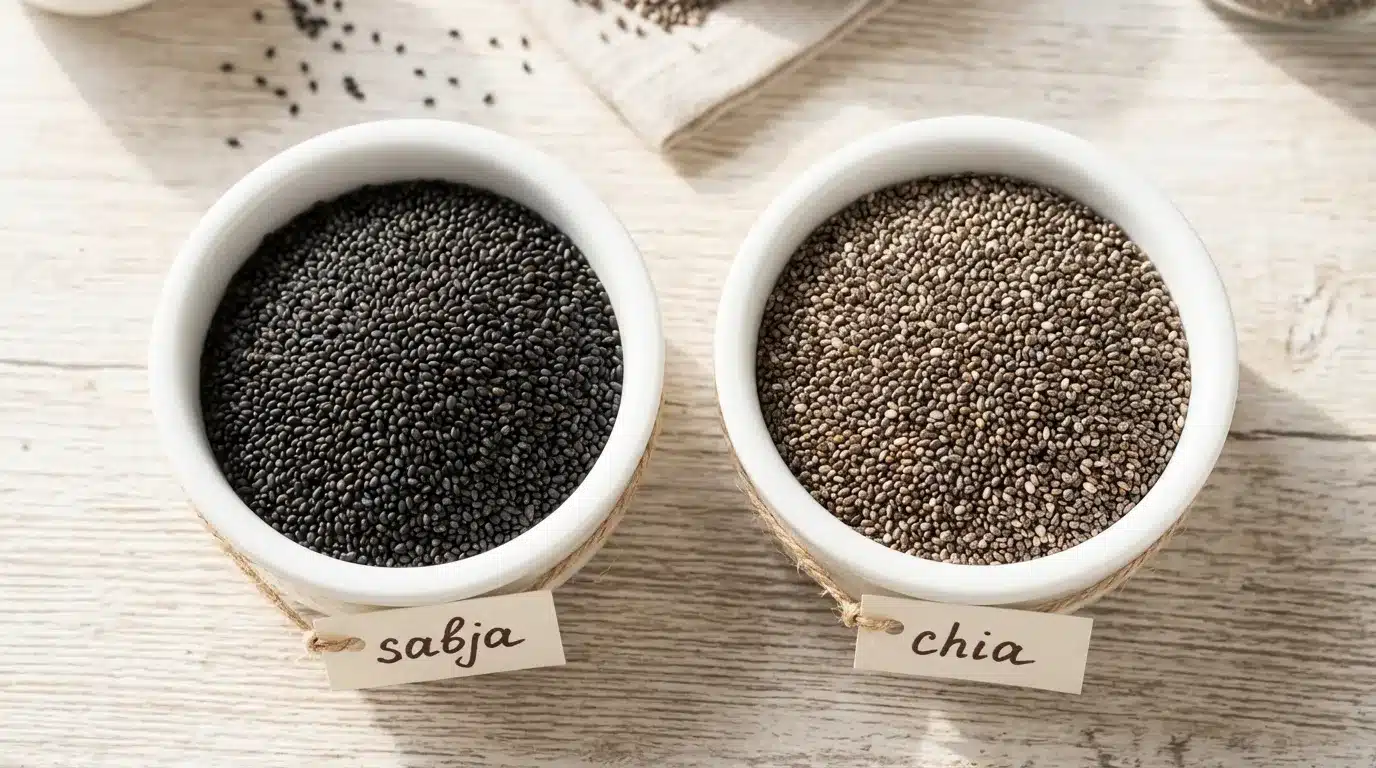
I completely understood the confusion. From a distance, sabja seeds and chia seeds look almost identical. They’re both tiny, both swell up dramatically in water, and both get talked about in the same wellness circles as natural tools for managing weight and digestion. But they are not the same thing, and mixing them up means you might be reaching for the wrong seed for the problem you’re actually trying to solve.
My grandmother Dalida had a saying she repeated every time someone in our family tried to shortcut their way through the kitchen: “Knowing the difference is half the cooking.” She was usually talking about flour types or cooking oils, but it applies here too. Sabja seeds and chia seeds each have a specific job. Once you understand what that job is, you’ll know exactly which one belongs in your glass and when.
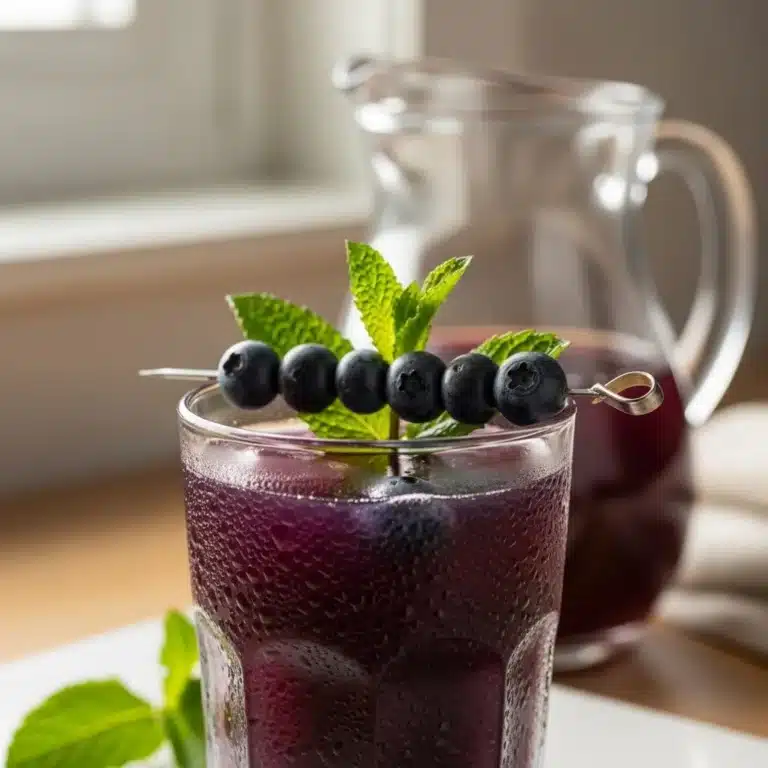
This post breaks down the real difference between the two, what each one actually does for your body, and when to use which. I’ve also included my Bloat-Buster Basil Drink recipe at the end, which is the sabja-based drink I now keep in my regular rotation alongside my chia water recipe. They’re not competing. They’re just doing different things.
Quick Takeaways
- Sabja seeds and chia seeds are different plants with different nutritional profiles
- Sabja seeds work faster for bloating relief, swelling within minutes of hitting liquid
- Chia seeds are better for long-term satiety and sustained fullness between meals
- Sabja seeds must be soaked before eating, never dry
- Chia seeds can be eaten dry, soaked, or ground into recipes
- Both support weight management, but through different mechanisms
- You can use both, just not interchangeably for the same purpose
What Are Sabja Seeds?
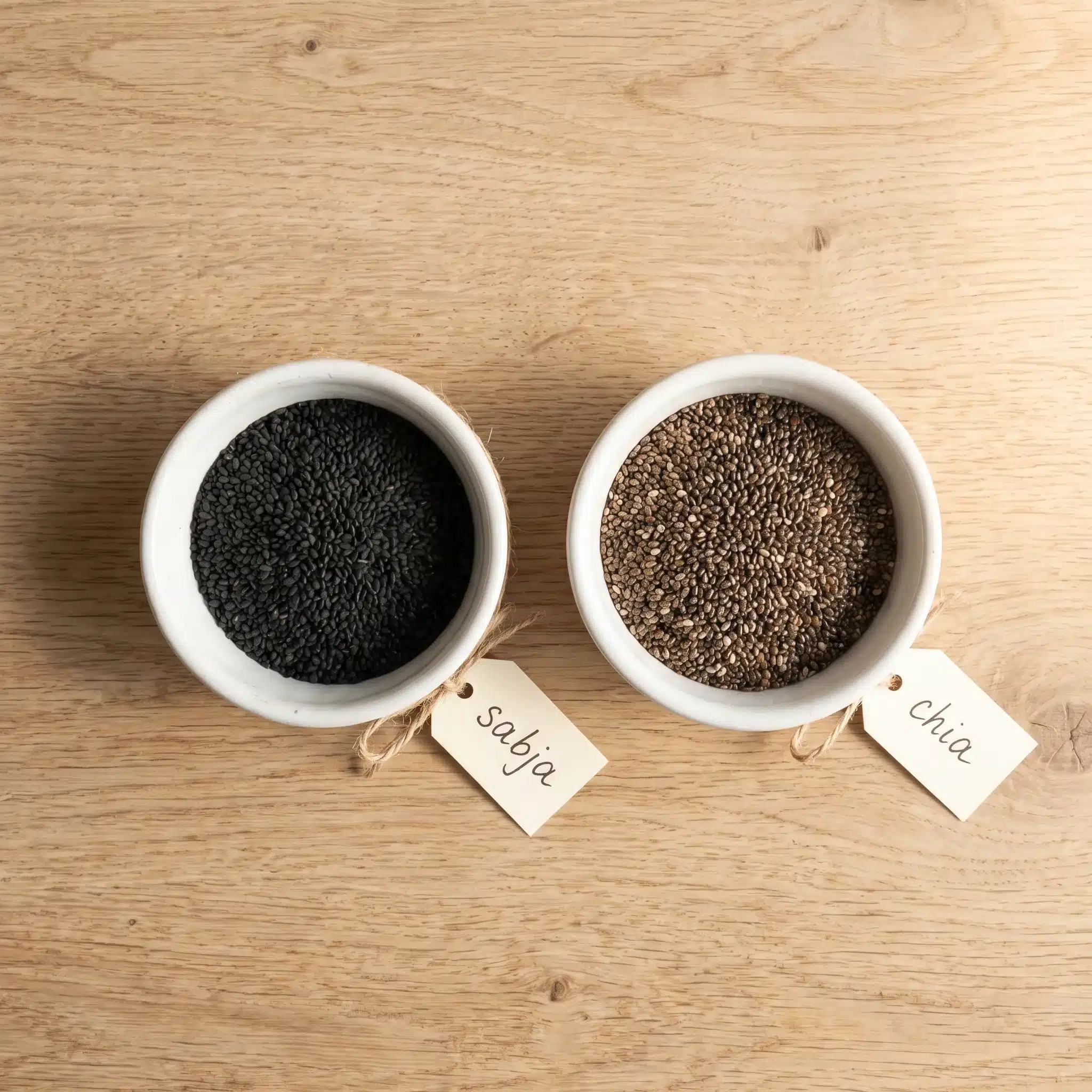
Sabja seeds go by several names depending on where you’re from. In India and Southeast Asia, where they’ve been used in traditional cooking and medicine for centuries, they’re called sabja or tukmaria. In the West, you’ll sometimes see them labeled as sweet basil seeds or falooda seeds. They come from the Ocimum basilicum plant, which is the same plant as sweet basil, the herb you’d use in a pasta sauce or on a Caprese salad.
The seeds themselves are tiny, dark, and oval-shaped when dry. But put them in water for five minutes and something almost theatrical happens: they swell up to nearly thirty times their original size and develop a soft, clear gel coating around a dark center. The texture is a little like tiny boba pearls. It’s the kind of thing that makes you want to show someone who’s never seen it before.
In Ayurvedic tradition, sabja seeds have been used specifically for cooling the body and calming digestive upset. My grandmother would have appreciated that approach: use what nature gives you, especially when it already has a long history of working. The gel they form is made of soluble fiber, which is what makes them particularly useful for the specific problem of bloating.
Sabja Seeds Nutrition (per 1 tablespoon dry)
- Calories: roughly 60
- Protein: 2g
- Fat: 2.5g (mostly omega-3)
- Carbohydrates: 7g
- Fiber: 4 to 5g (mostly soluble)
- Iron, calcium, and magnesium in meaningful amounts
What Are Chia Seeds?
Chia seeds come from Salvia hispanica, a flowering plant native to Mexico and Guatemala. They have a long history in Mesoamerican cultures where they were valued as a high-energy food, and they’ve become one of the most widely recognized wellness ingredients in the modern health food space.
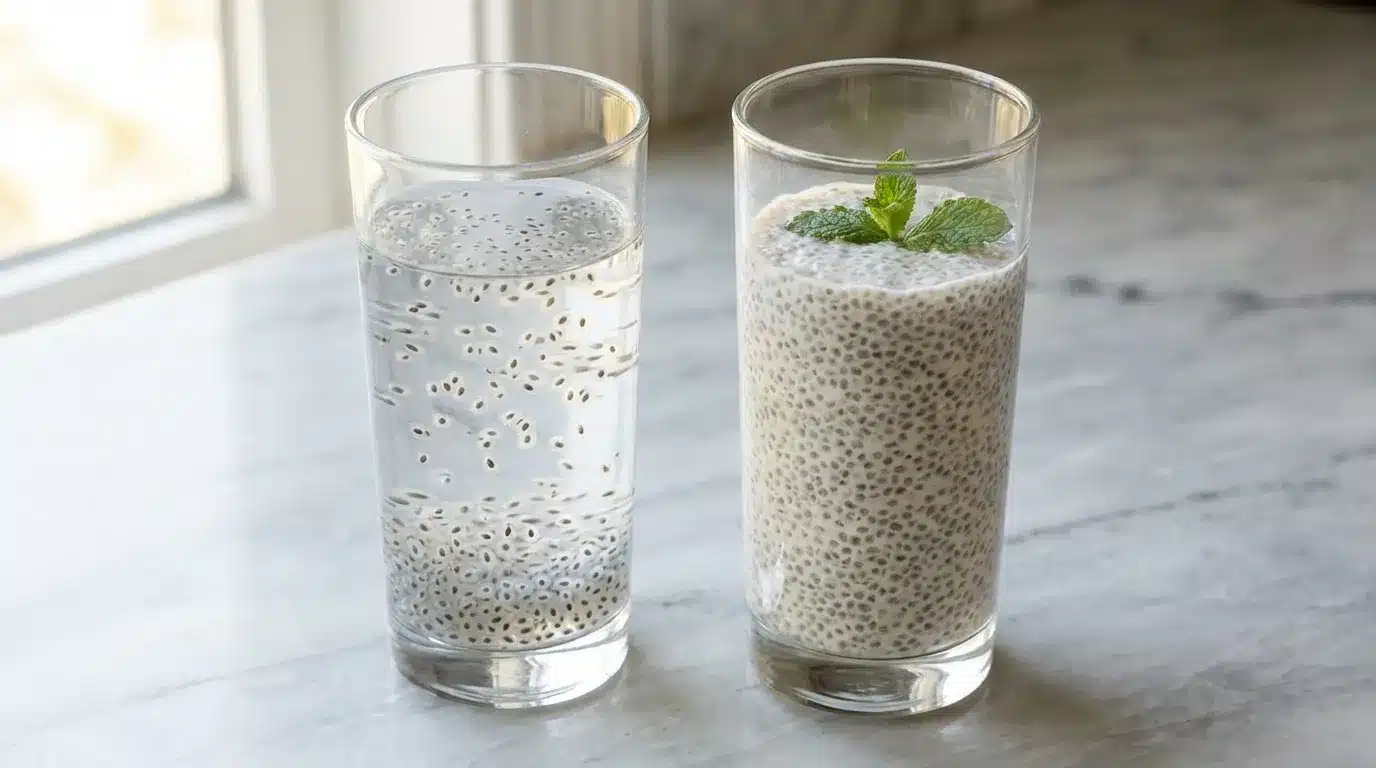
Like sabja seeds, chia seeds absorb liquid and form a gel, but they take significantly longer to do it. Where sabja seeds swell up in five minutes, chia seeds need at least twenty minutes and ideally a few hours or overnight to develop their full gel. The resulting texture is also different: thicker, more pudding-like, and less slippery than sabja.
Chia seeds are also more nutritionally dense than sabja seeds, especially in terms of protein, omega-3 fatty acids, and antioxidants. They’re one of the better plant-based sources of complete protein, which is part of why they’ve become a fixture in wellness breakfasts and smoothies.
My mom Julia used to say that the foods with the longest track records of actual use in traditional cultures were often the ones worth paying attention to. Both of these seeds qualify, just from different parts of the world.
Chia Seeds Nutrition (per 1 tablespoon dry)
- Calories: roughly 58
- Protein: 2g
- Fat: 3.7g (very high in ALA omega-3)
- Carbohydrates: 5g
- Fiber: 4g (mix of soluble and insoluble)
- Calcium, phosphorus, and manganese
Sabja Seeds vs Chia Seeds for Belly Fat: The Real Difference
Here’s where I want to be careful with language, because “belly fat” is a term that gets used in two very different ways online. Sometimes it means actual stored body fat in the abdominal area, and sometimes it means the visible bloating and distension that comes from gas, water retention, or digestive slowdown. These are different problems, and the two seeds address them differently.
Sabja Seeds: Better for Bloating Relief
Sabja seeds are genuinely impressive for the kind of belly bloat that builds up during the day. The soluble fiber in their gel coating absorbs water in the digestive tract and helps move things through more smoothly. They have a mild cooling effect that has been documented in traditional medicine as a way to calm digestive inflammation and reduce the trapped gas that causes that uncomfortable tightness after meals.
Because they swell so quickly, they also create a feeling of fullness fast. Drink a glass of sabja water before a meal and your stomach registers volume before you’ve eaten a bite, similar to the mechanism behind the gelatin trick for weight loss. The difference is that sabja seeds bring the added benefit of actually supporting the digestive process rather than just occupying space.
If the bloat you’re experiencing comes from a slow or irritated digestive system, from eating too quickly, from certain foods that don’t sit well, or from hormonal water retention, sabja seeds are your seed.
Chia Seeds: Better for Long-Term Satiety
Chia seeds work more slowly but over a longer window. Because their gel takes more time to fully form, it continues to expand in your digestive system for a sustained period after you eat them. This creates a longer-lasting feeling of fullness that chia seeds are genuinely known for: you eat breakfast with chia and you’re not thinking about food again until noon.
The insoluble fiber component in chia seeds (which sabja seeds have less of) also supports regularity in a different way, by adding bulk to the stool rather than just lubricating the digestive tract. For people who deal with sluggish digestion rather than bloating, this is often more effective.
Chia seeds also have a meaningful impact on blood sugar because of the way their gel slows carbohydrate absorption. If you pair them with a higher-carb breakfast, they help flatten the blood sugar curve, which reduces the sharp energy crash and hunger spike that follows a high-carb meal. That’s a real weight management benefit that goes beyond simple calorie counting.
For a deep dive into how the chia internal shower drink works, the chia seed internal shower drink guide covers it well.
Side-by-Side Comparison
| Sabja Seeds | Chia Seeds | |
|---|---|---|
| Plant source | Sweet basil (Ocimum basilicum) | Salvia hispanica |
| Origin | South and Southeast Asia | Mexico and Guatemala |
| Swelling time | 5 minutes | 20+ minutes (or overnight) |
| Gel texture | Slippery, light, clear | Thick, pudding-like |
| Primary fiber type | Mostly soluble | Mix of soluble and insoluble |
| Best for | Fast bloating relief, pre-meal volume | Sustained fullness, blood sugar balance |
| Taste | Virtually neutral | Mild, slightly nutty |
| Must be soaked first? | Yes, always | No, but soaking improves digestibility |
| Omega-3 content | Moderate | Very high |
How to Use Each One
Using Sabja Seeds
The one rule with sabja seeds is that you must soak them before eating. Dry sabja seeds can be a choking hazard and are extremely difficult to digest without pre-soaking. Put one tablespoon of dry sabja seeds in a cup of water, stir, and wait five minutes. You’ll see them transform right in front of you. That’s when they’re ready.
From there, you can drink the soaked seeds straight in a glass of water, lemon water, or coconut water. You can add them to a smoothie at the end (never blend them, just stir them in after). They can also go into chilled drinks, lemonades, or the kind of vibrant wellness drinks in the weight loss drinks recipe collection on this site.
Time them 20 to 30 minutes before a meal if your goal is pre-meal fullness, or drink them after a meal if your goal is to calm post-meal bloating.
Using Chia Seeds
Chia seeds are more flexible. You can eat them dry sprinkled on top of yogurt or oatmeal, soak them overnight for chia pudding, blend them into smoothies, stir them into the chia water recipe for a simpler daily ritual, or fold them into baked goods for extra fiber and protein.
For weight management specifically, the most effective use is eating them with or just before a meal that’s higher in carbohydrates. Their gel-forming action slows down how fast those carbs enter your bloodstream, which smooths out the energy and hunger cycle that follows.
Soaking them overnight rather than eating them dry also improves digestibility. The soaking process partially breaks down the outer coating of the seed, making the nutrients more bioavailable and the seeds easier on sensitive stomachs.
The Bloat-Buster Basil Drink Recipe
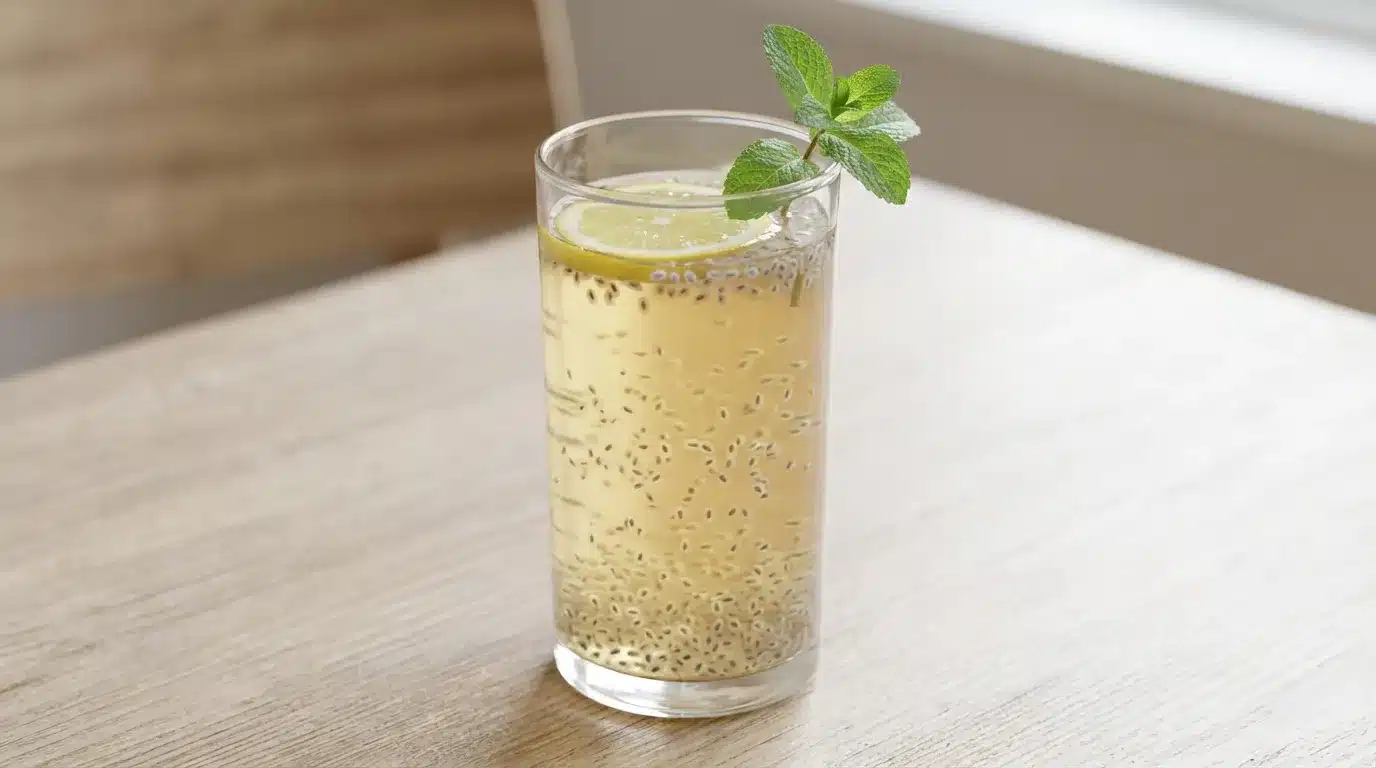
This is the sabja-based drink I started making after a particularly uncomfortable week of post-dinner bloating that had me feeling like I’d swallowed a balloon every evening. I’d been leaning hard into chia water in the mornings and loving it, but it wasn’t touching the evening bloat. That’s when I started researching sabja seeds specifically, and this drink came out of that experiment.
It’s light, refreshing, slightly sweet, and genuinely good. My grandmother tried it, raised her eyebrows at the gel-coated seeds floating in the glass, and then finished the whole thing and asked if there was more. That was the moment I knew the recipe was ready to share.
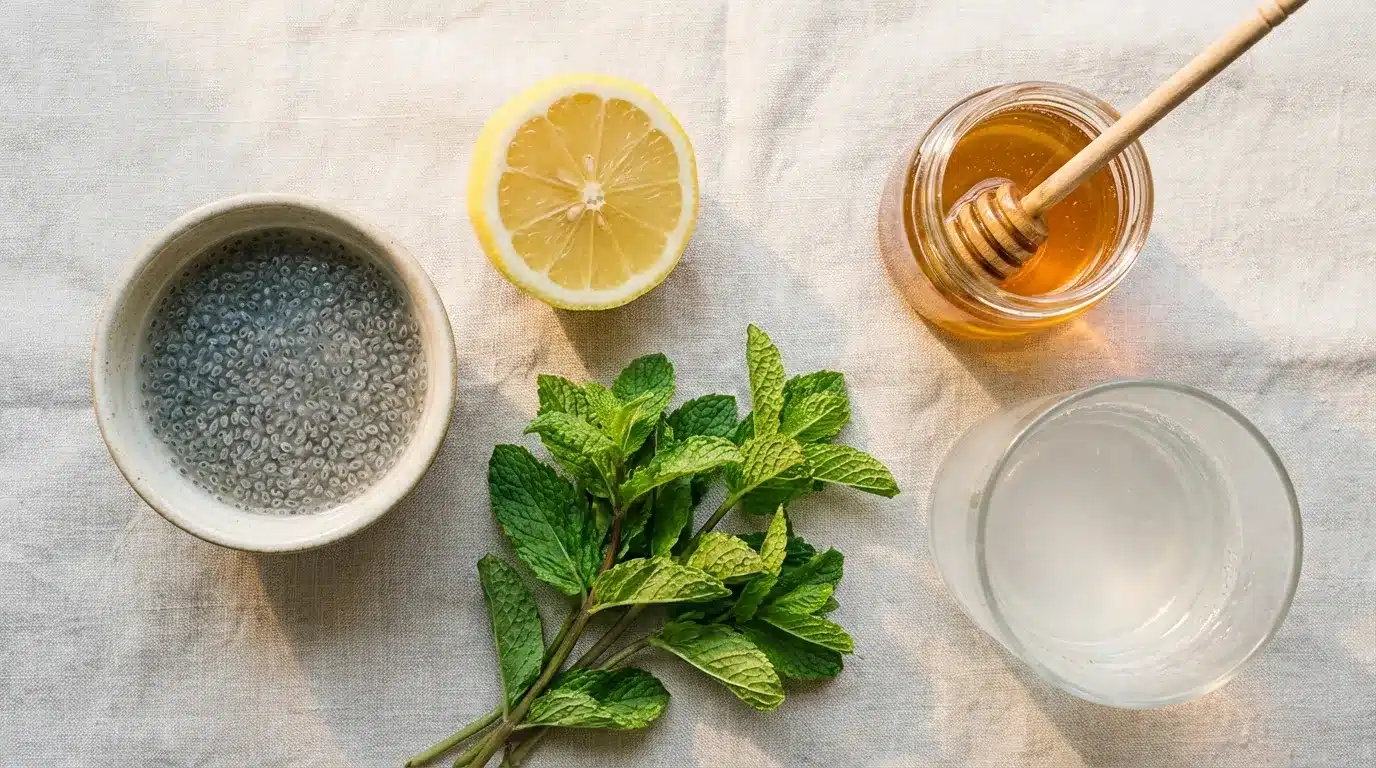
Ingredients (serves 1)
- 1 tablespoon sabja seeds (sweet basil seeds)
- 1 cup coconut water (or plain cold water if you prefer)
- Juice of half a lemon
- 4 to 5 fresh mint leaves, lightly crushed
- 1 teaspoon raw honey or a few drops of liquid stevia (optional)
- A pinch of pink Himalayan salt (optional, but it brightens everything)
Instructions
Step 1: Soak the sabja seeds. Add your tablespoon of sabja seeds to a small bowl or the glass you’ll be drinking from. Pour about 3 tablespoons of room temperature water over them. Stir gently and let them sit for 5 minutes. Watch them swell. Honestly, it never gets old.
Step 2: Build the drink. Pour your cup of coconut water into a glass. Add the soaked sabja seeds (they’ll slide right in with their liquid). Squeeze in the lemon juice, add the crushed mint, and stir in honey and a pinch of salt if you’re using them.
Step 3: Stir and drink. Give it a good stir right before drinking since the seeds settle to the bottom. Drink it cold, ideally 20 to 30 minutes before dinner, or right after a meal if you’re already feeling the bloat coming on.
A note on the coconut water: It adds natural electrolytes and a mild sweetness that pairs beautifully with the lemon and mint. If you’re watching sugar intake, plain water works perfectly well and keeps the drink completely sugar-free (aside from whatever sweetener you choose).
Variations to Try
Once you have the base down, this drink is easy to adjust. A few versions I come back to regularly: replace the coconut water with chilled rose water for a floral, cooling version that’s especially nice in summer. Add a half-inch piece of fresh ginger, grated, for a spicier, more warming option that’s great for digestion in cooler weather. Use lime instead of lemon for a slightly sharper citrus note that pairs especially well with the mint.
Where to Find Sabja Seeds
This is probably the most common follow-up question I get whenever I talk about sabja seeds: where do you actually buy them? Chia seeds are everywhere now, but sabja seeds are still finding their footing in mainstream US grocery stores.
Your best bets are Indian grocery stores, which almost always stock them under the names sabja, tukmaria, or sweet basil seeds. Asian grocery stores also carry them, often labeled as falooda seeds. Online, Amazon and specialty health food retailers stock multiple brands. Look for packages labeled “sweet basil seeds” or “sabja seeds” and check that they’re unroasted and intended for consumption as a drink ingredient, not as planting seeds.
They’re inexpensive. A bag that costs a few dollars will make dozens of drinks. If you’re only going to try one new ingredient from this post, sabja seeds are the lower-commitment option because a single bag lasts a long time and the results on bloating are noticeable relatively quickly.
Should You Use Both?
Yes, and that’s genuinely my recommendation. They’re not competing for the same job. I use chia seeds in the morning, usually in my chia water or stirred into overnight oats, because that long, sustained fullness carries me through to lunch without thinking about food. I use sabja seeds in the evening, in this drink or occasionally in a lemon water, because that’s when I notice the bloating more and want faster relief.
Think of it the way my mom Julia thought about her approach to patient wellness: different tools for different moments in the day, all working toward the same general goal. You don’t have to choose. You just have to know what each one does.
If you’re building out a morning wellness drink routine and want to see what else works well alongside these seeds, the homemade appetite suppressant drinks roundup has some solid options that pair well with both.
⚠️ A note from Olivia:
This post is based on personal experience and general nutrition research. It is not medical advice. Both sabja seeds and chia seeds are high in fiber, so if you’re new to them, start with a small amount (half a tablespoon) and increase gradually to avoid digestive discomfort. If you have a known allergy to basil or mint, check with your doctor before trying sabja seeds. I am not a doctor or dietitian, just someone who believes in understanding what you’re putting in your body and why.
Your Questions About Sabja Seeds and Chia Seeds Answered
Are sabja seeds and chia seeds the same thing?
No. They look similar when dry and both swell in water, but they come from completely different plants and work differently in your body. Sabja seeds come from the sweet basil plant and are better for fast bloating relief. Chia seeds come from Salvia hispanica and are better for long-term fullness and blood sugar balance. They can both be part of your routine, just for different purposes.
Which is better for losing belly fat: sabja or chia?
It depends on what “belly fat” means for you. If you’re dealing with visible bloating and digestive discomfort, sabja seeds work faster and more specifically for that. If you’re working on reducing overall body fat through better appetite control and blood sugar management, chia seeds are the stronger long-term tool. Ideally, use both for different times of day.
Can I eat sabja seeds without soaking them?
No. Dry sabja seeds should not be eaten as-is. They can expand rapidly once they hit liquid in your body, which creates a choking risk and makes them very difficult to digest. Always soak them in water for at least 5 minutes first. The soaking process is quick and easy, and it’s non-negotiable for safety.
How much sabja or chia seed should I use per day?
Start with 1 teaspoon and work up to 1 tablespoon per day for either seed. Both are high in fiber, and adding too much too quickly can cause bloating, gas, or digestive discomfort, which is the opposite of what you want. Increase gradually over two to three weeks and drink plenty of water throughout the day.
Where can I buy sabja seeds in the US?
Indian grocery stores are your most reliable option, where they’re sold as sabja or tukmaria seeds. Asian grocery stores carry them as falooda seeds. Online, Amazon and health food retailers stock them under the name “sweet basil seeds.” They’re inexpensive and a single bag lasts a long time.
Can I use sabja seeds in the Bloat-Buster Basil Drink every day?
Yes, daily use is fine for most people once you’ve established that your body tolerates them well. Start with half a tablespoon for the first week, then move up to a full tablespoon. If you notice any digestive discomfort, reduce the amount and increase your water intake during the day.
Two Seeds, Two Jobs, One Smarter Approach
The person who left that comment on my post was right to be confused. From the outside, sabja seeds and chia seeds look like the same thing doing the same job. But once you understand that sabja is your fast-acting bloat reliever and chia is your slow-and-steady satiety builder, the picture gets a lot clearer and you stop guessing which one to reach for.
Start with whichever one addresses your most pressing issue. If evening bloating is your main frustration, pick up a bag of sabja seeds this week and try the Bloat-Buster Basil Drink before dinner for two weeks. If mid-morning hunger and afternoon snack cravings are the bigger problem, lean into chia and try the chia water recipe as your morning ritual.
And if you want to explore more simple, intentional wellness drinks that work with your body the way these two seeds do, the weight loss drinks recipes page is a good next stop. Healthy really can feel like home, especially when you know why what you’re drinking actually works.
P.S. Have you tried sabja seeds before, or is this your first time hearing about them? Drop a comment below. I always love knowing what’s new to people and what’s already part of your routine. And for more honest, practical wellness content from my Nashville kitchen, come find me on my Facebook page.