

When winter light leans low through the kitchen window, I think of the copper pot of spices on my grandmother’s stove and the bowl of fruit she set beside it. The scent of orange peel and cinnamon made the room feel like a warm promise. I learned to make Red Winter Sangria at her elbow, my small hands steadying the pitcher while she told a soft story.
That glass of deep red, bright with fruit and warm with brandy, still brings us together. I often reach for a simple sweet or a crispy toast as we sip, like the quick treat found in the 3-Ingredient Pumpkin Chocolate Candy that reminds me of holidays shared around the table. 3-Ingredient Pumpkin Chocolate Candy
Why Red Winter Sangria Belongs in Your Kitchen Story

There is a slow comfort in this drink that goes beyond taste. Red Winter Sangria is not a strict recipe as much as it is a family memory in liquid form. We make it for quiet evenings, for small celebrations, and when someone needs a warm word and a glass beside them.
When I say comfort, I mean the warm weight of the wine, the bright lift from orange, and the crispness of apple that snaps on the tongue. These layers of texture and aroma make it feel like a hug in a glass. The color is an inviting garnet that glows in candlelight and looks like home.
My mother used to say that sangria was a way of folding guests into the kitchen. She would tip a little brandy into the pitcher and wink as if she were adding something secret from the heart. Over the years, I learned how a few simple shifts more cranberry juice on a cold night, a slower steep for more cinnamon change the mood of the drink. These small changes are where memory sits. I still make this for winter family nights and I still set the pitcher in the middle of the table, where everyone can reach.
How to Make Red Winter Sangria
“Every time I stir this pot, it smells just like Sunday at home.”
Before you begin, gather your tools: a large pitcher, a wooden spoon or muddler, a citrus knife, and a good measuring cup. You will notice the wine blush deeper as the fruit releases its oils. The aroma should be warm, with hints of citrus and spice. Look for a glossy finish when you stir and a few bubbles when the liquid is first poured.
Start simply. This recipe comes together in a few calm steps and it rewards patience. The fruit softens and the spices open if you let the sangria sit for a little while. If you are serving right away, keep the fruit small and the ice plentiful. If you can wait an hour or two, the flavors knit themselves into something softer and more complete.
Ingredients You Will Need
3 tablespoons sugar
1 orange, sliced
1 cup orange juice
3 ounces brandy
1 bottle dry red wine
1 cup cranberry juice
2 apples, sliced or diced
3 cinnamon sticks
1 cup ice
star anise (optional garnish)
A friendly side note: if you have a crisp baking apple on hand, use it for texture; if you find a ruby orange, its peel will give a brighter smell. I also like to keep a small extra cup of cranberry juice nearby, in case the night calls for a tangier pour. Try to use fresh citrus when you can; the essential oils in the peel make a big difference in both aroma and mouthfeel. You might also serve this with a savory bite such as a warm ricotta toast; the cream and salt play well with the wine and fruit. Ricotta and Tomato Sourdough Toast
Step-by-Step Directions
- Add sugar to pitcher, muddle with half an orange (sliced) with a muddler or wooden spoon.
Press the orange gently to release oils and juice.
Work until the sugar looks dissolved and the mixture smells oily and bright.
Mini-tip: use the back of a wooden spoon if you do not have a muddler. - Add in orange juice, brandy, wine and cranberry juice. Stir to combine!
Pour slowly so the colors settle and swirl together.
Stir until glossy and smooth, not frothy.
Mini-tip: a slow, steady stir brings flavors together without bruising fruit. - Add in fresh fruit, cinnamon sticks, and ice. Stir and taste! Adjust to desired flavours.
Drop in apple slices so they float and chill the mix.
Taste for balance and add a splash more cranberry if you want tartness.
Mini-tip: watch for the apple to soften if you leave it too long. - Garnish cups with a cinnamon stick, star anise, orange slice and more ice.
Place a cinnamon stick in each glass to perfume the sip.
Add star anise for a beautiful silhouette and subtle licorice note.
Mini-tip: if serving outdoors, keep a small pitcher of fresh ice nearby for topping glasses.
Serving Red Winter Sangria With Family Warmth
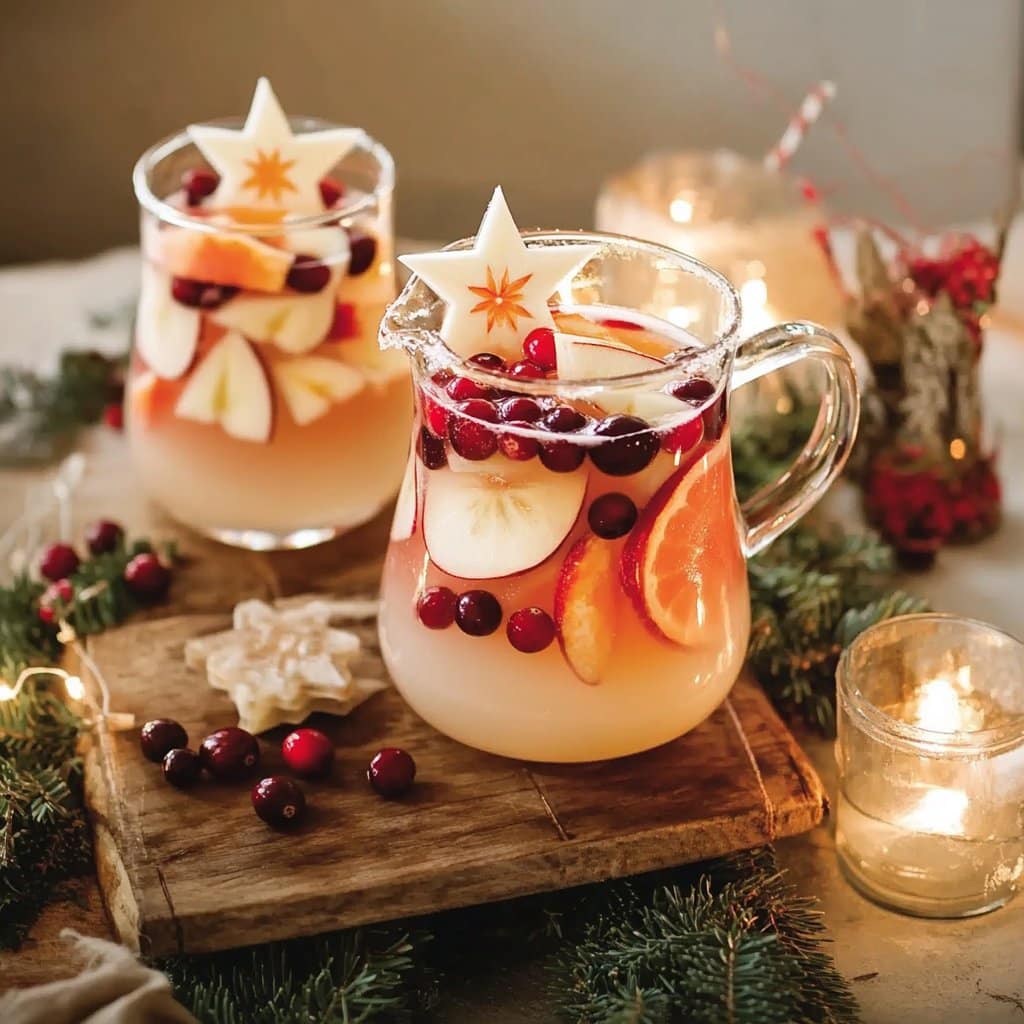
Bring the pitcher to the table and let everyone help themselves. I set a small tray with extra slices, a bowl of nuts, and a plate of cheese. The sangria should be the heart of the spread, not the whole show.
When poured, the drink looks like a warm jewel. The apples bob and the orange slices fan in each glass. The cinnamon sticks stand like small staffs, releasing scent with each stir. I like to serve it in simple glassware so the color and fruit are visible. The sight alone begins conversations.
If you plan a small meal, serve dishes that echo the sangria’s flavors: roasted vegetables, a simple pork roast, or a platter of aged cheese and honeyed nuts. The toast of the ricotta and tomato gives a pleasant contrast of salt and cream that I reach for when I want a lighter bite. cheap family crockpot dinners
In a family setting, someone will always reach for the cinnamon stick. Children can have their own version with sparkling water and a little juice. The mood is easy; people lean in and stories come out. I find that the act of passing the pitcher invites a sharing of small memories. It is a ritual as much as a drink.
How to Keep This Dish Restorative Tomorrow
Sangria changes with time. Overnight, the fruit gives up more of itself and the spice melds deeper into the wine. This is not a weakness. It is how it becomes softer and more complete.
Store the pitcher covered in the refrigerator for up to 48 hours. If you want to save it for the next day, remove the ice before covering. If you leave ice in, it will water the sangria as it melts. When you plan to serve the next day, add fresh ice and a splash of juice to revive the color and brightness.
To refresh, stir in a splash of orange juice or a bit more cranberry to taste. For a warm version, gently heat a cup in a saucepan for a minute or two until just warm; do not boil. Warm sangria changes texture and brings an inviting steam that carries spice into the air. Keep in mind that brandy and wine will taste stronger when warmed.
Label your jar if you will keep it longer than a day. Note the date and what you added so you can learn family preferences. A little note helps maintain trust in what is in the fridge and makes it easy to pass down how you like it.
Dalida’s Little Secrets
- Use a wine you enjoy drinking on its own. This is not the time for mystery bottles. A dry red with good fruit notes is best.
Small note: a medium-bodied Spanish red is forgiving and sings with orange. - Muddle the orange with sugar, not salt. This draws out essential oils that perfume the whole pitcher.
Small note: if you want a softer sweetness, substitute 2 tablespoons honey, but add it warm to dissolve. - Keep your apple pieces bite-sized. Too large and they will not trade flavor quickly.
Small note: skin on for texture, peeled if you prefer a gentler mouthfeel. - Add cinnamon sticks whole rather than ground spice. Ground spices cloud the drink and settle.
Small note: a stick can be reused once if you simmer it in water and let it dry. - Let the sangria rest at least 30 minutes if you can. This quiet time is where flavors become friends.
Small note: if you are short on time, chill all components first to help the drink come together faster.
These are the small things I learned by watching my grandmother and by making mistakes with guests. Each tip makes the drink more reliable, and each adjustment teaches a little about balance.
Family Twists on Red Winter Sangria

In my region, we sometimes add a handful of pomegranate seeds for bright pops of color. They sink and rise and add a glossy jewel-like stud to each glass. In another version, my cousin favors a splash of ginger ale for fizz and warmth. He serves it at big family reunions when the kitchen runs warm with voices.
Some families add a dash of clove or orange bitters for depth. Others fold in a little pear brandy when pears are in season. My sister adds a few slices of persimmon when she wants a silky texture that feels like autumn folded into winter. Each addition is a small inheritance, a way to announce where you are from or what tree you are standing under.
Regionally, sangria shifts. Coastal homes love a citrus-forward mix with more orange juice and lemon slices. Inland tables lean heavier on spice and darker fruit. If you travel through these kitchens, you taste home in different accents. I encourage you to try a small change and let your palate decide what speaks to memory.
Red Winter Sangria
Ingredients
Method
- Add sugar to a large pitcher, then muddle it with half an orange (sliced) using a muddler or wooden spoon until the sugar looks dissolved and the mixture smells bright.
- Pour in the orange juice, brandy, wine, and cranberry juice. Stir gently to combine, pouring slowly to allow the colors to swirl.
- Add the sliced fruits, cinnamon sticks, and ice to the pitcher. Stir and taste for balance, adjusting with more cranberry juice if desired.
- Garnish each glass with a cinnamon stick, an orange slice, and, if available, a star anise for a lovely presentation.
- Serve the sangria in simple glassware to showcase its color and fruit pieces, inviting guests to help themselves.
- Pair the sangria with a tray of nuts, cheese, and a lighter toast like warm ricotta with tomato.
Nutrition
Notes
Tried this recipe?
Let us know how it was!FAQs About Red Winter Sangria
Can I use honey instead of sugar?
Yes. Honey will give a softer sweetness and a rounder mouthfeel. It blends best if you warm it slightly with the orange juice first.
How long can I keep this in the refrigerator?
Store covered for up to 48 hours. Remove ice if you plan to keep it longer, and add fresh ice when serving.
Can I make a nonalcoholic version?
You can. Use a good quality nonalcoholic red wine or replace the wine with a strong pomegranate or black grape juice and skip the brandy. Add a dash of vanilla or a touch of apple cider vinegar for complexity.
What wine should I use?
Choose a dry to medium-bodied red you enjoy. Tempranillo, Garnacha, or a soft Cabernet all work well. The key is balance between fruit and tannin.
Should I let it sit before serving?
If you can, let it sit 30 minutes to two hours. The flavors soften and knit together, which makes the drink feel more deliberate and complete.
A Closing Note
A good sangria holds stories. It is a vessel where the past meets the present in color and scent. When I pour a glass of Red Winter Sangria, I remember small hands and warm jokes, and the way my grandmother straightened a slice of orange on the rim of the glass.
This drink is easy to share and it asks only that you pause with your people. Make a pot of something warm in the slow cooker, set out a tray of small bites, and let the sangria be the conversation starter. You will find that the drink keeps company with laughter, with quiet confessions, and with the way hands reach across the table.
Conclusion
For more ideas on winter sangria variations and seasonal recipes, you might enjoy this seasonal take on a holiday sangria at Easy Christmas Holiday Sangria | Joyful Healthy Eats.
If you want to explore another perspective and two ways to make winter sangria, see this thoughtful guide at Winter Sangria 2 Ways – Fraiche Living.
Let’s Stay Connected on Pinterest
I share more than just recipes. I share everyday wellness ideas, simple kitchen swaps, and the kind of meals that make you feel cared for. Join me on Pinterest and save your favorites to inspire a healthier tomorrow.