

I can still smell the steam rising from the pot in my grandmother’s small kitchen. The air was thick with warm spice and sugar, and the light through the window turned the chai into a soft amber glow. A wooden spoon left a brown ring on the rim as she stirred, and we sat close, hands wrapped around our cups, letting the scent stitch us back together after long days.
That memory follows me every time I make this Masala Chai Concentrate Recipe, and I invite you to make it part of your kitchen story too. If you like recipes that carry comfort and time, this chai will sit easily beside a bowl of soup or a plate of warm muffins like my favorite 30-minute white chicken chili on a chilly afternoon.
Why Masala Chai Concentrate Recipe Belongs in Your Kitchen Story
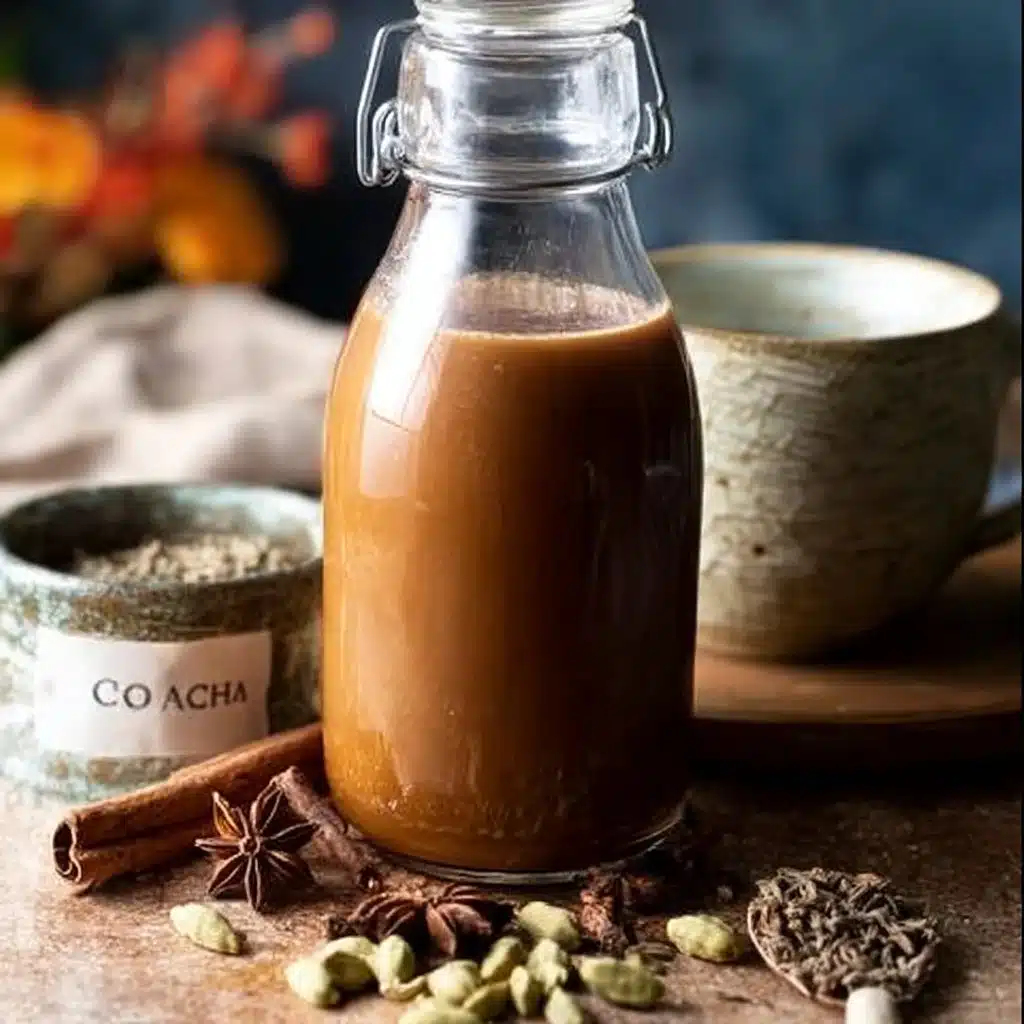
This chai is more than a drink. It is a small ritual that binds mornings and evenings. It carries the hush of early light and the hush of late conversations. For many of us, masala chai is how homes tell their stories. The cardamom pops green and fresh. The cinnamon smells like worn leather and sweet afternoons. Ginger gives a bright, electric warmth to the cup.
Making a concentrate lets you make that comforting cup quickly, without losing the depth of flavor. You can keep it ready in the fridge so a warming mug is never far. Meanwhile, it becomes a tool for hospitality. Offer a cup to a visitor, and stories begin. Offer a cup to a child returning from school, and watch shoulders ease.
I learned this recipe at my grandmother’s side. She taught me to listen to the pot, to watch the color of the simmer, and to keep a clean jar for storage. These little practices keep the chai honest and homey. They are small acts of care that hold the recipe together across years and kitchens.
How This Recipe Comes Together
“Every time I stir this pot, it smells just like Sunday at home.”
Before we list the ingredients, here is a quick overview of the process. You begin by building a fragrant base with whole spices toasted briefly and simmered in water with fresh ginger. The tea steeping at the end gives the concentrate its color and body. Once strained and cooled, the concentrate keeps its intensity and blends easily with milk or plant milk when you serve.
Look for a deep chestnut color in the simmer. The aroma should be bold, carrying cinnamon and cardamom forward, with a peppery lift. Texture should feel slightly viscous from the tea’s tannins, not thin. If the color is pale, simmer a little longer; if it smells bitter, you may have oversteeped the tea. These cues guide you through the cook.
Gathering the Ingredients
List the ingredients clearly, one per line. Use the freshest items you can find. Fresh spices release their oils when crushed and warmed, and that is where the magic lives.
- 1.2 litres of Water (filtered is best)
- 1 Cinnamon Stick (approx. 2 inches long)
- 10 Whole Green Cardamon Pods
- 10 Whole Cloves
- 2 Star Anise
- 1 tsp Whole Black Peppercorns
- 2 inch Fresh Ginger, skin removed and roughly fine chopped
- 5 Black Tea Bags (English Breakfast, Assam, or Ceylon)
- 1 tbsp Sugar
- {Optional}
- 1 tbsp Honey
- 1 tsp Vanilla Essence
Friendly notes: choose whole spices over ground when you can, they keep their scent longer. If your ginger is knobbly, peel thinly with a spoon and chop roughly; the bites will be strained out. For black tea, Assam gives a stronger body, while Ceylon brings a brighter edge. If you like the aroma sweeter, the optional honey and vanilla add a gentle roundness.
Step-by-Step Directions
Follow these numbered steps exactly. Each line is short and direct. Watch the pot and stay present. Small moments of attention change the final cup.
- Put a large pan containing the 1.2 litres of water on to boil.
Keep the lid off so the water heats evenly. Use filtered water for a clean taste. - Meanwhile, lightly crush the cinnamon, cardamon, cloves, star anise, and peppercorns in a pestle and mortar (or use a plastic sandwich bag and rolling pin).
Crush gently to release oils, but do not pulverize into dust. - Use a small frying pan over a low heat to gently dry fry the crushed whole spices for about 3 minutes – stir and keep an eye on the spices so that they do not burn. Remove and set aside.
You will smell the oils awaken; watch for darker edges and take them off heat just before they color too much. - Once the water in the pan is boiling add the toasted spices and the fresh chopped ginger. Turn the heat down to low and allow to simmer for 30 minutes.
Simmer softly, not a rolling boil. The slow warmth pulls flavors out with patience. - Then add the tea bags and sugar. Simmer for a further 3 to 5 minutes.
Three minutes will be brisk and aromatic; five minutes deepens the color and body. - Immediately strain the mixture into a large bowl through a fine sieve. Empty the sieve of its contents (spices, ginger, and tea bags), then sieve the liquid again back into the pot. Ensure all sediment is removed.
Double sieving keeps the concentrate clear and smooth. Use a spoon to press gently if you want every last drop. - If using the optional ingredients, stir through the honey and vanilla essence.
Taste lightly as you add honey; it softens the edges more than sugar. - Allow the chai concentrate to cool completely before pouring it into clean, sterilised bottles. Store in the refrigerator for up to 1 week.
Label each bottle with the date. Sterilise jars in boiling water or run them through a hot cycle in the dishwasher.
Mini-tips peppered through: watch the tea steep time to avoid bitterness, stir until the sugar dissolves into the body of the brew, and lift the lid once to check color after 20 minutes.
Bringing Masala Chai Concentrate Recipe to the Table
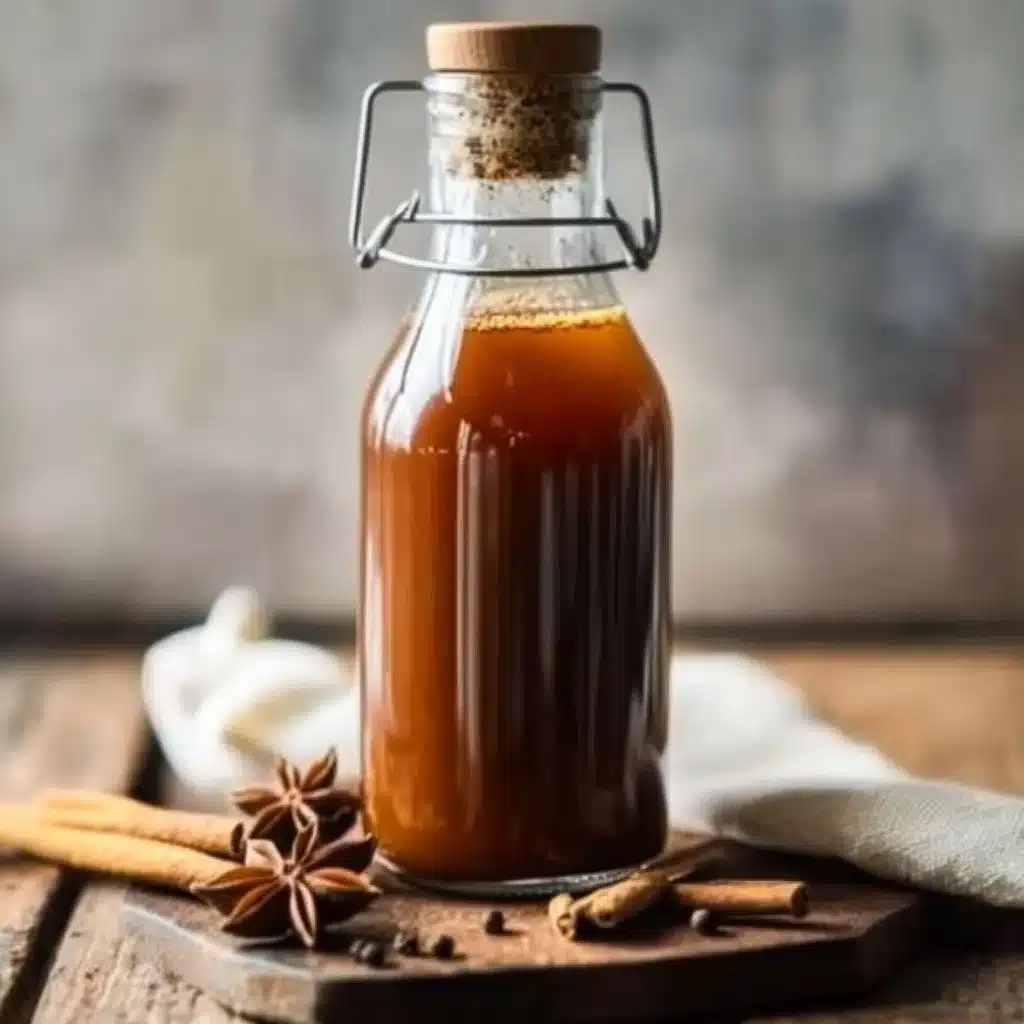
To serve, you will dilute the concentrate with milk or a milk alternative. A good rule is one part concentrate to one part milk for a full, classic cup. For a lighter sip, try one part concentrate to two parts milk.
Warm the milk gently on the stove. Pour the concentrate into warm mugs and top with milk, stirring slowly. For a frothy café-style cup, whisk briskly or use a small hand frother. Garnish with a dusting of cinnamon or a split cardamom pod. The scent as you bring the tray feels like a small ceremony.
Serve the chai with simple, comforting bites. Biscuit or buttered toast are quiet companions. Family favorites, such as apple cinnamon streusel muffins, sit beautifully beside a steaming cup, and they make the table feel lived-in and warm. The crack of the muffin top echoes the chai’s warmth and makes mornings feel fuller.
When children are present, pour gently and let them add a little honey. When an older relative comes, ask if they prefer stronger or weaker. These small choices weave people into the ritual.
Saving Masala Chai Concentrate Recipe for Tomorrow
A bottle of concentrate in the fridge is like a quiet promise. The flavors continue to settle and mingle over the first two days. The spice edges soften and the body feels smoother. Store in airtight, sterilised bottles and keep the concentrate cold.
To reheat, pour the amount you need into a small pan. Warm gently until hot, not boiling. Add warm milk and serve. Do not reheat the entire bottle repeatedly. Instead, warm only what you will drink to keep the flavors bright.
If you find the concentrate has thickened slightly, swirl before heating. If sweetness tastes muted after refrigeration, add a teaspoon of honey to the cup when warming. Keep to the one week guideline for best flavor and safety. If it smells off or looks cloudy beyond the normal settling, discard.
Dalida’s Little Secrets
These are the small, practical notes that I have learned over years of making chai. They make the process simpler and the result more dependable.
- Toast the whole spices. Toasting briefly in a dry pan amplifies the aroma and gives the chai its warm, complex character. Do not burn them. The scent will tell you when they are ready.
- Use a mix of tea bags. A stronger black tea like Assam gives you body, while Ceylon adds brightness. Try a mix until you find your balance.
- Filtered water matters. Water with heavy mineral notes can alter the tea’s clarity and taste. Use filtered or spring water when you can.
- Sweeten at the end. Sugar or honey added after tea will integrate better and let you balance sweetness to taste.
- Keep a set of small sterilised bottles just for chai. Mark the date and rotate them so the oldest gets used first.
These tips come from years of making chai for guests and quiet mornings. They have kept the recipe steady and flexible.
Heritage Variations
Every family and region folds this recipe into its own life. In my family, we add a pinch of fennel seed during winter for a cooling aftertaste. A friend from the northern hills adds a sliver of dried orange peel for a citrus lift. Another neighbor reduces the sugar and adds jaggery for a deep, molasses note.
My aunt makes a lighter version with more ginger and fewer cardamom pods when she feels like something sharp and clean. In contrast, some households double the cinnamon and add a few strands of saffron for festive days. Each variation tells a story about a place, a season, and the person who brews it.
When I travel, I carry my spices in a small tin. I have learned to adapt when ingredients differ. If all else fails, a pinch of ground spice will do in a pinch, though the texture will not be the same. In the summer, some families chill the concentrate and pour it over ice with cold milk for a refreshing twist.
I also lean on simple savory snacks for the table. For a weekend treat, air-fried apple slices work as a crunchy side and echo the chai’s warmth. Try pairing the chai with an easy recipe like these air fryer apple fries for a playful, cozy plate. Another cousin loves spicy, crisp sides and serves the chai with tangy fried pickles in a small bowl, a pairing that grew up in her household in warm weather. You can find a similar snack idea in this recipe for air fryer fried pickles.
What to Watch For While You Make It
Cooking is a conversation with the ingredients. Listen and watch, and the chai will tell you what it needs. Notice the steam and the color.
First, watch the spice toasting. It takes only minutes. A golden-brown edge and a sweet, nutty scent are your signs. If you burn them, you will taste bitterness.
Second, keep the simmer gentle. A hard boil roughens the tea and pulls bitterness. Soft heat lets the flavors bloom over time.
Third, strain twice. Small flecks of spice and tea can cloud the concentrate. A clean finish makes your drink smooth and inviting.
Finally, label and date. Even with love and habit, we all forget. A dated bottle keeps your kitchen tidy.
FAQs About Masala Chai Concentrate Recipe
Can I use honey instead of sugar?
Yes, it gives a softer sweetness and reminds me of my mother’s spring version. Add honey after you strain so you can taste and balance gently.
How long does the concentrate last in the fridge?
Store it in sterilised bottles for up to 1 week. Use cool storage and do not keep reheating the whole batch.
Can I make this without whole spices?
You can, but whole spices toasted bring a brighter aroma. If you use ground spices, reduce quantities and add them later to avoid grainy sediment.
Is this concentrate strong enough for iced chai?
Yes. For iced chai, try one part concentrate to two parts milk and serve over ice. Taste and adjust for sweetness as the cold mutes flavors.
What milk works best with this concentrate?
Whole milk provides the richest mouthfeel. Oat milk adds creaminess, and almond milk makes it lighter. Warm the milk before adding to keep the cup fragrant.
Conclusion
This Masala Chai Concentrate Recipe is an invitation to slow down, to share, and to carry forward the small gestures that hold a family together. Make a batch, bottle it with care, and offer it as you would a story. It warms hands and hearts in equal measure.
For further inspiration on making chai concentrate with a focus on spice balance and storage tips, I often look to resources like Homemade Chai Concentrate – Masala and Chai which shows variations that suit different seasons. If you enjoy chai lattes and want a guide to turn concentrate into café-style drinks at home, this Chai Concentrate Recipe for Homemade Chai Latte – Baran Bakery has helpful ideas for flavor and froth.
Until the kettle sings again, keep a bottle on your shelf and a mug within reach.
Masala Chai Concentrate
Ingredients
Method
- Put a large pan containing the 1.2 litres of water on to boil.
- Keep the lid off so the water heats evenly. Use filtered water for a clean taste.
- Lightly crush the cinnamon, cardamom, cloves, star anise, and peppercorns in a pestle and mortar or a sandwich bag and rolling pin.
- Gently dry fry the crushed whole spices in a small frying pan over low heat for about 3 minutes, stirring to avoid burning. Set aside.
- Once the water is boiling, add the toasted spices and the fresh chopped ginger. Turn the heat down to low and let simmer for 30 minutes.
- Add the tea bags and sugar. Simmer for a further 3 to 5 minutes.
- Immediately strain the mixture into a large bowl through a fine sieve, then sieve the liquid again back into the pot.
- If using optional ingredients, stir in the honey and vanilla essence.
- Allow the chai concentrate to cool completely before pouring into clean, sterilized bottles. Store in the refrigerator for up to 1 week.
- To serve, dilute the concentrate with milk or a milk alternative, using a ratio of one part concentrate to one part milk for a full cup.
- Warm the milk gently on the stove, pour the concentrate into warm mugs, and top with milk, stirring slowly.
- For a frothy style, whisk briskly or use a small hand frother.
- Garnish with a dusting of cinnamon or a split cardamom pod.