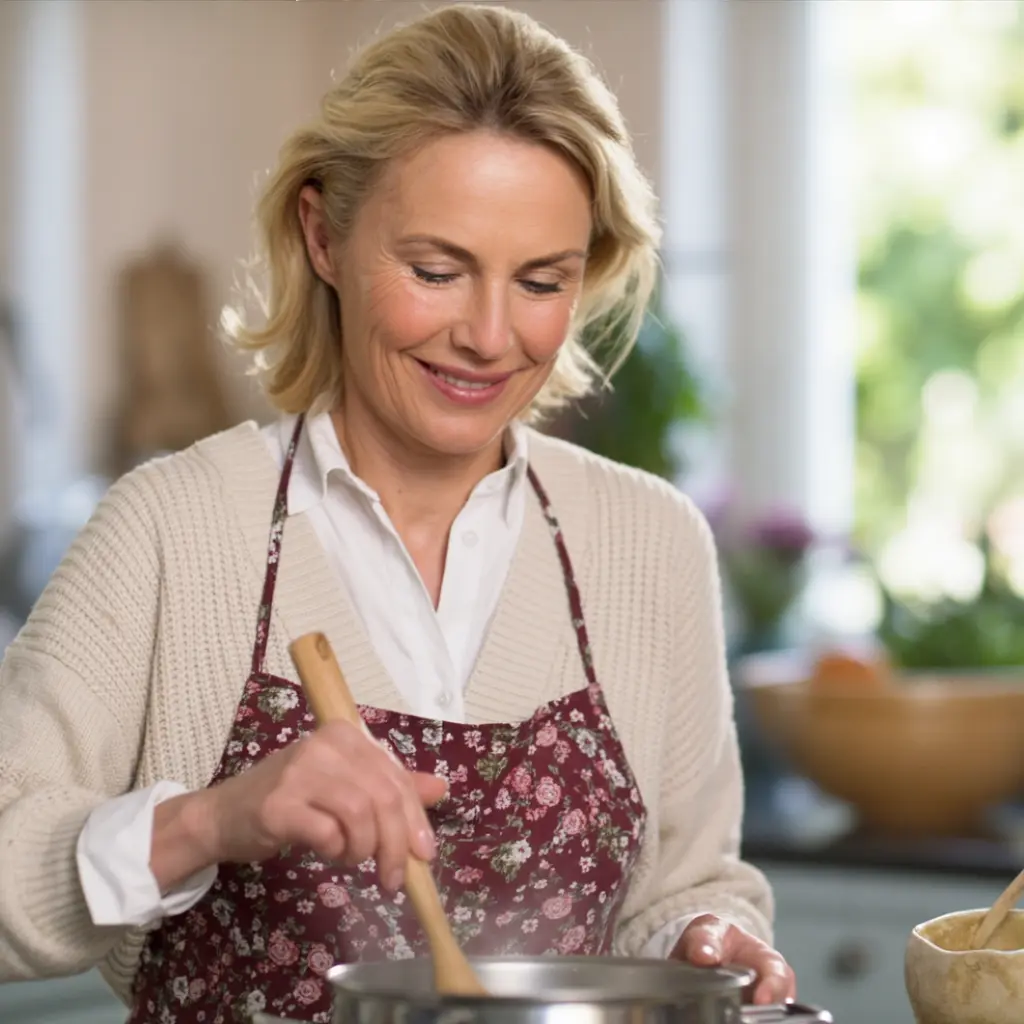

I can still smell the pot before I lift the lid. The air fills with warm spices and sweet bell pepper, and the rice looks like a soft sunset, each grain plump and separate. My children would press their faces to the kitchen doorway, waiting for that first steam kiss. Jambalaya has always been that kind of dish for me. It asks for a slow hand and a wide heart, and it gives back a bowl that feels like home.
Why Jambalaya Belongs in Your Kitchen Story
Jambalaya carries more than flavor. It carries stories. In my house, it remembers long Saturdays when cousins came by and the radio played low in the other room. The pot held a patchwork of the day’s work and the night’s plans, and everyone found a place around the table.
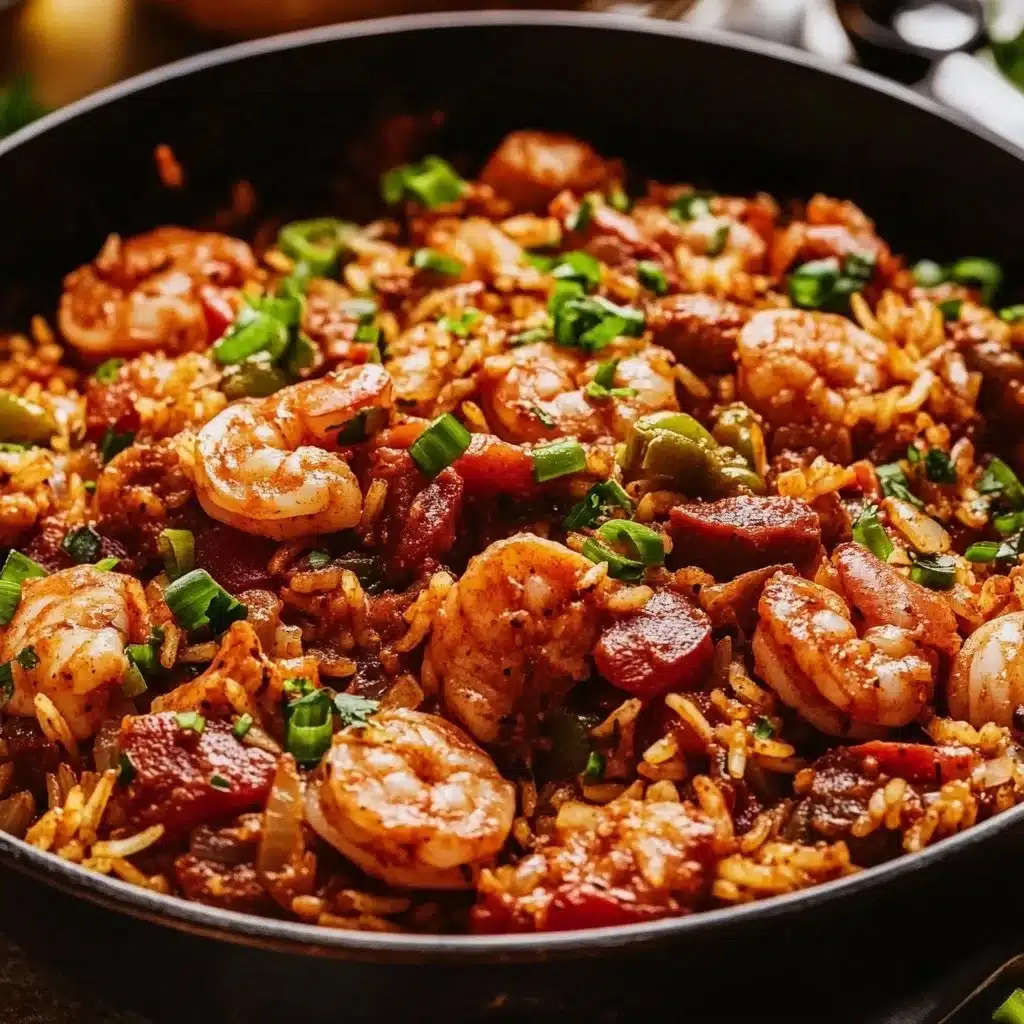
This recipe folds comfort and practicality into one pot. It folds heat, salt, smoke, and the bright cut of vegetables into rice that soaks each note up. When you make it, you are making a meal that feeds bodies and ties people back together. That is why we return to Jambalaya again and again, especially when we need a little warmth.
I have cooked this version for years. It is not a museum copy of any single family’s recipe. Instead, it is an honest, practiced road between memories and the present. You will notice small cues as you stir. The color will deepen from pale to a rich, reddish brown. The aroma will move from green pepper to garlic, then to the sweet and smoky scent of browned meat and tomatoes. Those are the signals that the pot is moving toward its happiest self.
How This Recipe Comes Together
“Every time I stir this pot, it smells just like Sunday at home.”
Before you begin, know the rhythm of this recipe. You brown the chicken and sausage first to build a base of flavor. You soften the vegetables so they give up their sweetness. Then rice and broth join the pot and the simmer tightens everything into a single, layered bite.
Pay attention to texture as you cook. The rice should be just tender yet still hold its shape. The chicken must be cooked through and juicy. The shrimp needs the shortest time in the pot so it stays firm and pink. Color tells you what stage you are in. Aroma tells you when to trust the heat. Feel for these signs while you stir and breathe in the food.
Ingredients You Will Need
1 pound chicken, diced
1 pound sausage, sliced
1 pound shrimp, peeled and deveined
1 bell pepper, chopped
1 onion, chopped
2 celery stalks, chopped
4 cloves garlic, minced
2 cups long grain rice
4 cups chicken broth
1 can diced tomatoes
2 teaspoons Cajun seasoning
1 teaspoon salt
1/2 teaspoon black pepper
2 tablespoons olive oil
Chopped green onions for garnish
Use fresh parsley if you can. It brightens the flavor and looks like spring on the plate. If your sausage is already spicy, adjust the Cajun seasoning down a touch. Fresh vegetables change this dish in a good way, so reach for the firmest bell pepper and the plumpest shrimp.
Step-by-Step Directions
-
In a large pot, heat olive oil over medium heat.
Let the oil shimmer before you add anything. Use a heavy pot so heat spreads evenly. -
Add chicken and sausage, cooking until browned.
Stir so pieces brown but do not crowd the pan. Watch for golden edges on the chicken. -
Add onion, bell pepper, celery, and garlic; sauté until tender.
Cook until the vegetables are soft and glossy. The smell should become sweet and deep. -
Stir in rice, broth, tomatoes, Cajun seasoning, salt, and pepper.
Fold the rice in so each grain glints with broth. Push any stuck brown bits loose from the pot bottom. -
Bring to a boil, then reduce heat, cover, and simmer for about 20 minutes.
Keep the lid on so steam cooks the rice. Check once near the end to see the rice is nearly tender. -
Add shrimp in the last 5 minutes of cooking.
Nestle the shrimp into the rice without stirring wildly. They should turn pink and curl slightly. -
Fluff with a fork and garnish with green onions before serving.
Let the pot rest off the heat for a few minutes so steam settles. Fluff gently so the rice keeps its shape.
Each step moves the dish toward balance. If the rice seems tight or clumpy at the end, add a splash of warm broth and fold gently to loosen. If you see too much moisture while simmering, lift the lid to let some steam escape and check for doneness sooner.
Bringing Jambalaya to the Table
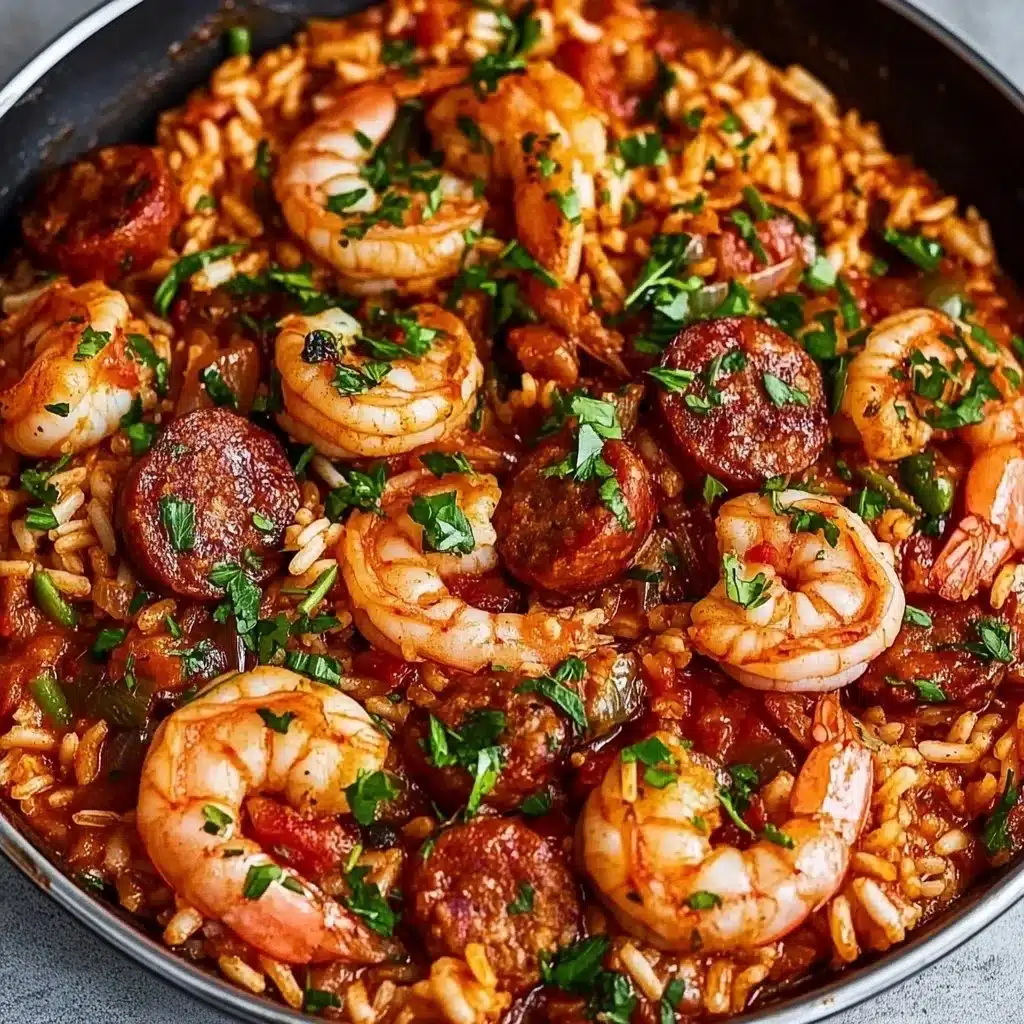
Jambalaya is best served straight from the pot, but you can also spoon it into a deep bowl so each person can taste the different textures. I like a plain white bowl so the colors speak loudest: the rust of paprika, the green of onions, and the pink of shrimp. A small plate of pickled cucumbers or a light salad can cut through the richness. For bread, a warm, crusty loaf or corn bread fits the mood.
Passing the pot creates more than convenience. It creates conversation. I watch hands reach and I listen to stories rewind. Someone comments on the spice. Another asks for seconds. These small exchanges are woven into my recipe as surely as garlic is woven into the rice. Serve with cold drinks and a napkin folded in the lap. Let people linger. That is part of what makes a meal like this feel complete.
How to Keep This Dish Restorative Tomorrow
Jambalaya holds up well in the fridge for up to four days. Once cooled, transfer to an airtight container and press it flat so it cools evenly. Label the container with the date so you know when it is freshest.
To reheat, add a splash of water or broth to loosen the rice. Reheat gently on the stovetop over medium-low heat, stirring often so the grains warm through without drying out. You can also reheat individual portions in the microwave with a damp paper towel over the bowl to keep steam close.
If you will freeze leftovers, spread the dish in a shallow, freezer-safe container for two to three months. Thaw overnight in the refrigerator before reheating. Flavors often deepen after a day, so the second or third-day bowl can taste even richer than the first.
Dalida’s Little Secrets
- Use a heavy-bottomed pot. It gives even heat and helps prevent burning. A 5 to 7 quart pot is a good size for this recipe.
- Brown the meat well. Those crusty bits carry a lot of flavor. Scrape them up with the rice step so the whole pot sings.
- Rinse the rice briefly under cold water to remove surface starch if you prefer less stickiness. That keeps grains more separate.
- Consider swapping the shrimp for crawfish or scallops when you want a change. They work well when added late, just like the shrimp.
- Taste as you go for salt and heat. Sausage often has salt, so start cautious and adjust near the end.
These are small moves that make a big difference. Over the years, I learned that small, calm steps keep the meal steady and the mood gentle. When the kitchen feels rushed, the food feels rushed too.
Family Twists on Jambalaya
Our family likes to make small variations depending on the season. In late summer, I add chopped tomatoes from the garden for a brighter finish. In winter, I add a splash of smoked paprika for extra warmth.
Down the road, my cousin makes a kind with andouille and adds a few drops of worcestershire for a deeper note. My sister keeps things lighter with less sausage and more vegetables, and she finishes with lemon zest to wake the dish up. In New Orleans, some cooks use the holy trinity of onion, bell pepper, and celery as a sacred start. In other places, people begin by making a dark roux and call it Creole or Cajun depending on the spices and the choice of rice.
One year, my neighbor made a vegetarian version with mushrooms and smoked tofu. She swapped chicken broth for vegetable stock and added a bay leaf for a slow, herbal back note. Each of these changes keeps the recipe alive and personal. Jambalaya welcomes creativity and remembers the hands that made it.
FAQs About Jambalaya
Can I make this gluten free?
Yes. Use certified gluten-free sausage and broth. The rest is naturally gluten free and you will not miss any texture.
Can I use brown rice instead of long grain rice?
You can. Brown rice needs more liquid and a longer cook time. Start with an extra 1 cup of broth and plan for about 40 to 45 minutes of simmering.
How do I know when the shrimp are done?
Shrimp turn pink and curl into a loose C shape when they are cooked. If they curl tightly into an O, they are likely overcooked.
What if my jambalaya is too wet?
Remove the lid and raise the heat a little so steam can escape. Stir gently and check every few minutes until some liquid has reduced and rice is tender.
Can I make this in a single pan?
Yes. You can use a deep skillet or Dutch oven that holds at least 5 quarts. The cooking times stay similar but use a wide pan so evaporation happens evenly.
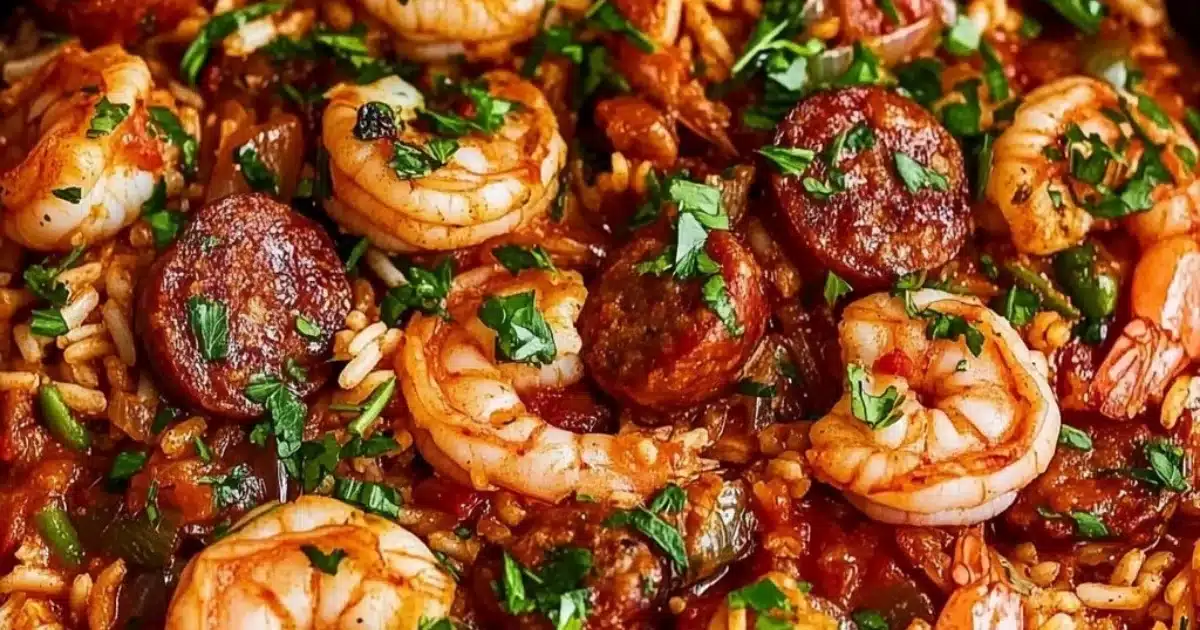
A Final Thought
This pot binds the past to the present. When I stir it, I think of hands that taught me to feel the heat and not fear a little smoke. I think of a child who learned to taste spices cautiously, and of elders who sat quietly while the meal took its shape. Jambalaya is a bridge. It is heavy with work and light with laughter. It is the kind of recipe that gathers people without asking too much.
If you are nervous about spice, start with less and let people add more at the table. If you want a richer base, brown the meat a little longer. The point is not perfection. It is the act of cooking for someone else and the slow coming together of flavor and story. Keep a pen by your recipe card and note the small changes you make. Those notes will become your family’s version one day.
Conclusion
For a simple one-pan approach with clear guidance, I often turn to the resource on Easy One Pan Jambalaya – Tastes Better from Scratch which shows how to simplify steps while keeping depth of flavor. For a deeper dive into heritage and variations, the history and detailed notes in Jambalaya: Chuck’s recipe – The Gumbo Pages provide context that helps ground your own family version.
May your pot bring warmth, stories, and shared moments. Keep stirring with care and pass the bowl with love.
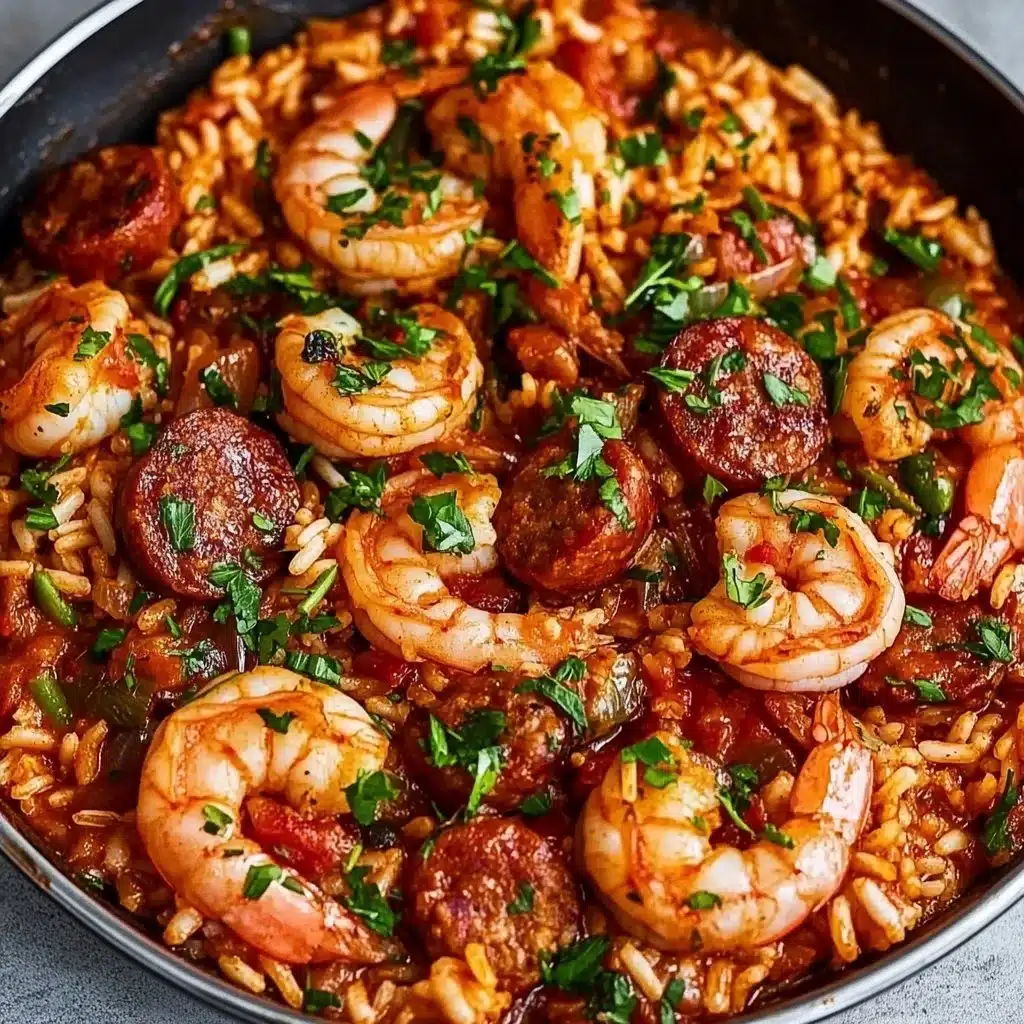
Jambalaya
Ingredients
Method
- In a large pot, heat olive oil over medium heat until it shimmers.
- Add chicken and sausage, cooking until browned.
- Add onion, bell pepper, celery, and garlic; sauté until tender.
- Stir in rice, broth, tomatoes, Cajun seasoning, salt, and pepper.
- Bring to a boil, then reduce heat, cover, and simmer for about 20 minutes.
- Add shrimp in the last 5 minutes of cooking.
- Fluff with a fork and garnish with green onions before serving.
- Serve directly from the pot for a communal experience.