The morning I stopped buying bagels started like most Tuesday mornings in my Nashville kitchen rushed, chaotic, and with my stomach already growling before I’d even made it to my car. I was running late for work, and the protein coffee I’d grabbed wasn’t going to cut it. Again.
My grandmother Dalida walked into the kitchen just as I was staring into the fridge, defeated. “Why do you buy those expensive bagels from the store?” she asked, pointing at the half-eaten everything bagel I’d abandoned on the counter. “They don’t even fill you up.”
She was right. I’d been spending nearly five dollars on “healthy” bagels that left me hungry by ten in the morning. But here’s what changed everything: I discovered you could make bagels at home real, chewy, satisfying bagels using just Greek yogurt or cottage cheese. No yeast. No waiting. And packed with enough protein to actually fuel my morning without leaving me reaching for snacks before lunch.
That discovery turned into five different recipes, twenty batches of testing in my kitchen, and one very skeptical grandmother who eventually admitted, “Olivia, these actually taste like real bagels.” From her, that’s basically a standing ovation.
Quick Takeaways
- Greek yogurt + flour = magic – Two ingredients create a dough that’s surprisingly close to traditional bagels
- No yeast needed – Ready in under 30 minutes, perfect for busy mornings
- Real protein boost – Each bagel delivers 11-15g of protein depending on the version
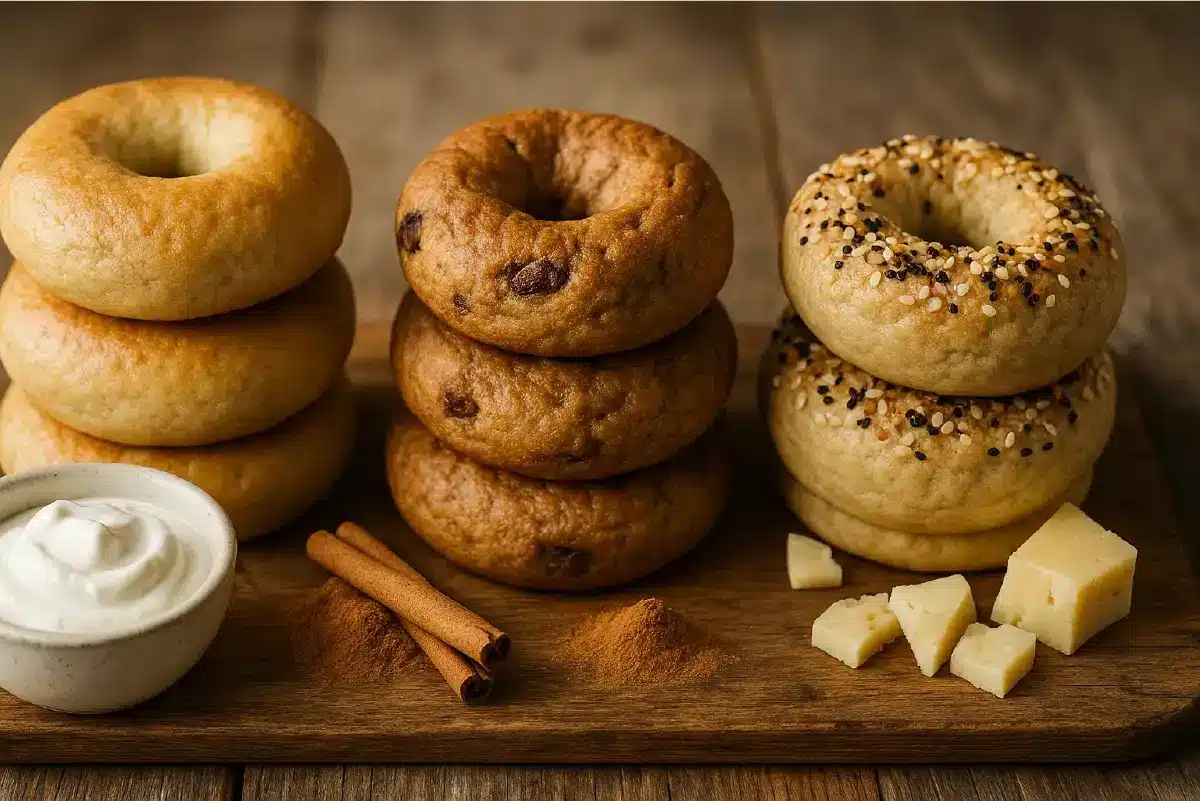
- Five tested variations – From cinnamon raisin to savory cheddar jalapeño, there’s one for every craving
- Freezer-friendly – Make a batch on Sunday, toast throughout the week
Let me walk you through exactly what I learned from the kitchen failures that taught me what not to do, to the versions that actually work and taste like something you’d look forward to eating.
Why I Started Making Protein Bagels (And Why You Might Want To)
The Protein Problem I Didn’t Know I Had
My mom Julia was a physician assistant for seventeen years before she passed away. One thing she always emphasized and I mean always was starting the day with enough protein. “Your body needs it to feel satisfied,” she’d say. “Otherwise, you’re just chasing energy all morning.”
I didn’t fully understand what she meant until I started tracking what I actually ate for breakfast. Turns out, my go-to morning routine store-bought bagel with a thin schmear of cream cheese was giving me maybe five or six grams of protein. No wonder I was starving by mid-morning and reaching for whatever snacks were in the teacher’s lounge.
That’s when I started experimenting with higher-protein breakfast options. Eggs got boring fast. Protein shakes felt like I was drinking chalk. But bagels? Bagels felt like home. I just needed to figure out how to make them work for my body instead of against it.
The Greek Yogurt Discovery
I first heard about Greek yogurt bagels from a friend who swore by them for meal prep. “Two ingredients,” she said. “That’s it.”
I was skeptical. How could yogurt and flour create something that resembled a bagel? But one Sunday afternoon, standing in my kitchen with nothing to lose, I mixed one cup of thick Greek yogurt with a cup and a half of self-rising flour. The dough came together into this soft, slightly sticky ball that smelled faintly tangy and surprisingly… promising.
Twenty-five minutes later, I pulled four golden bagels out of the oven. They weren’t perfect a little dense, honestly but they were real. Chewy. Satisfying. And when I checked the macros, each one had about 11 grams of protein. That’s nearly double what I was getting from my store-bought version.
My grandmother tasted one, chewed thoughtfully, and said, “These need seeds on top.” Coming from her, that meant they passed the test.
Why Cottage Cheese Works Even Better
A few weeks into my bagel-making journey, I tried swapping Greek yogurt for blended cottage cheese. I’d read that cottage cheese has even more protein than Greek yogurt and it’s usually cheaper, which matters when you’re a school assistant on a budget.
The texture surprised me. Cottage cheese bagels came out lighter, almost fluffy, with a mild flavor that worked beautifully for both sweet and savory toppings. Each bagel clocked in at about 13 grams of protein. My mornings suddenly felt… easier. More balanced. Like I’d figured out something that actually worked with my real life instead of some idealized version of it.
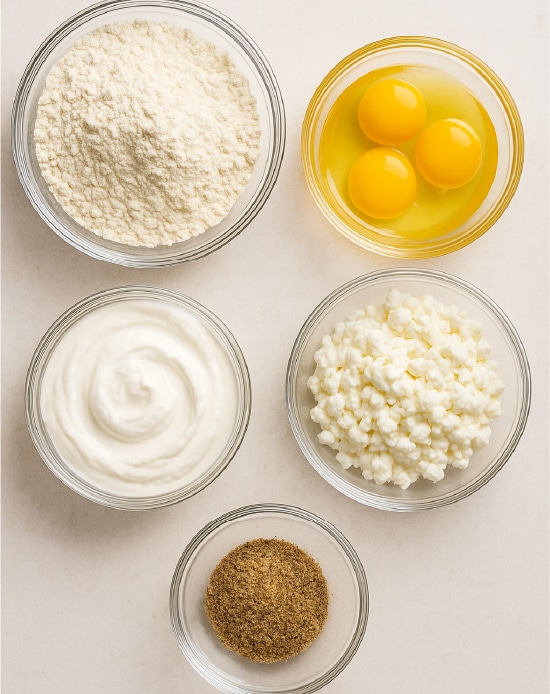
Here’s what both Greek yogurt and cottage cheese bring to bagels: protein (obviously), but also moisture, structure, and a slight tanginess that makes them taste more complex than just flour and water. They’re the secret to making bagels that actually keep you full without needing yeast, boiling, or any of the traditional bagel-making steps that take forever.
The Five Recipes I Actually Make (And When I Reach for Each One)
After twenty batches of testing some great, some forgettable, and one that my grandmother described as “interesting, but not in a good way” these are the five versions that made it into my regular rotation. Each one serves a different mood, craving, or morning need.
Recipe #1: Classic Cottage Cheese Bagel
When I make it: Sunday meal prep, when I need something mild and versatile for the week ahead.
This is my baseline recipe. The one I come back to when I want a simple, protein-packed bagel that pairs with anything from almond butter and banana to a fried egg and avocado.
Makes 4 bagels
Ingredients:
- 1 cup blended low-fat cottage cheese (blend until completely smooth no lumps)
- 1 egg
- 1½ cups whole wheat flour
- 1 tablespoon baking powder
- ½ teaspoon sea salt
- Optional: sesame seeds, poppy seeds, or everything bagel seasoning
What you’ll get per bagel:
- Protein: 13g
- Carbs: 25g
- Fat: 3g
- Calories: 180
How to make it:
- Heat your oven to 375°F. I always start the oven first learned that lesson after standing around with bagel dough, waiting for the oven to preheat while my grandmother shook her head at my poor planning.
- Blend your cottage cheese until it’s completely smooth. No chunks. Trust me on this lumpy cottage cheese makes lumpy bagels.
- In a large bowl, whisk together the flour, baking powder, and salt.
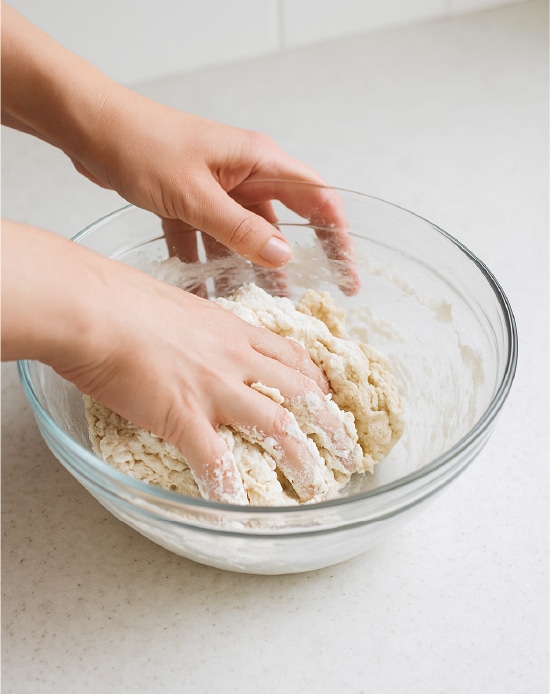
- Add the blended cottage cheese and egg to the dry ingredients. Stir with a wooden spoon until it forms a soft, slightly sticky dough.
- Divide the dough into four equal pieces. Roll each piece into a log about six inches long, then connect the ends to form a ring. Press the seam together firmly otherwise they’ll come apart in the oven.
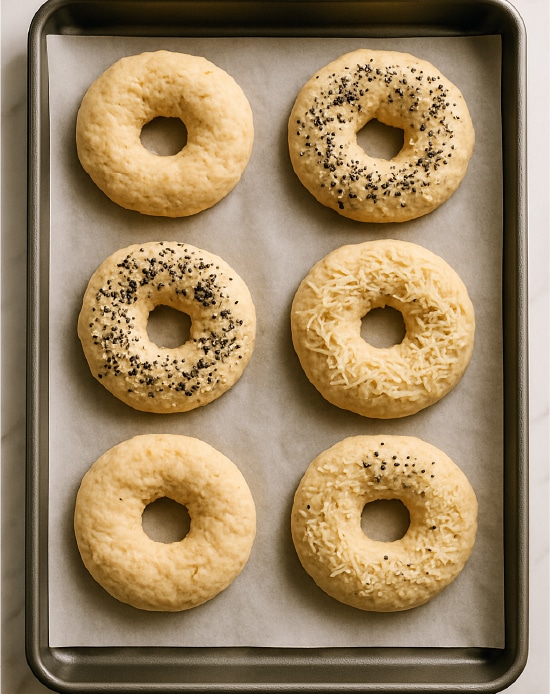
- Place your bagels on a parchment-lined baking sheet. Sprinkle with seeds if you’re using them.
- Bake for 22-25 minutes, until the tops are golden and the bagels feel firm when you gently press them.
What I learned the hard way: Don’t skip blending the cottage cheese. My first batch had visible cheese curds throughout, and while they tasted fine, the texture was… distracting. Smooth cottage cheese = smooth bagels.
Recipe #2: Greek Yogurt Bagel
When I make it: Weekday mornings when I need something quick, or when I’m out of cottage cheese.
This is the recipe that started everything for me. Two ingredients that’s it. Well, three if you count the egg wash for that glossy top. It’s the fastest version, and honestly, it’s the one my grandmother likes best because “it tastes like the bagels I remember.”
Makes 4 bagels
Ingredients:
- 1 cup plain Greek yogurt (use the thick, full-fat kind it makes a difference)
- 1½ cups self-rising flour (or make your own: 1½ cups all-purpose flour + 2 teaspoons baking powder + ½ teaspoon salt)
- 1 egg, beaten (for brushing on top)
- Optional: everything seasoning, dried herbs, or garlic powder
What you’ll get per bagel:
- Protein: 11g
- Carbs: 24g
- Fat: 2.5g
- Calories: 175
How to make it:
- Preheat oven to 375°F.
- In a large bowl, mix the yogurt and flour together with a wooden spoon until a shaggy dough forms.
- Turn the dough out onto a lightly floured surface. Knead it gently maybe five or six times until it comes together into a smooth ball. Don’t overwork it, or the bagels will be tough.
- Divide into four pieces and shape each into a bagel ring.
- Place on a parchment-lined baking sheet. Brush the tops with beaten egg this is what gives them that beautiful golden shine.
- Sprinkle with your chosen toppings.
- Bake for 25 minutes or until golden brown and firm to the touch.
What I learned the hard way: Use thick Greek yogurt, not the runny kind. The first time I made these with low-fat, watery yogurt, the dough was a sticky mess. I ended up adding so much flour that the bagels came out dense and dry. Full-fat yogurt = better texture.
Recipe #3: Mixed Cottage Cheese + Greek Yogurt Bagel
When I make it: When I want maximum protein and the best of both textures.
This hybrid version is what I make when I’m really trying to hit my protein goals maybe before a long day or after a workout. Combining cottage cheese and Greek yogurt gives you 15 grams of protein per bagel, with a texture that’s chewy on the outside and tender inside.
Makes 4 bagels
Ingredients:
- ½ cup blended cottage cheese
- ½ cup Greek yogurt
- 1½ cups white whole wheat flour
- 1 tablespoon baking powder
- ½ teaspoon sea salt
What you’ll get per bagel:
- Protein: 15g
- Carbs: 22g
- Fat: 3.5g
- Calories: 190
How to make it:
- Preheat oven to 375°F.
- Blend the cottage cheese until smooth, then mix it with the Greek yogurt in a bowl.
- In a separate bowl, combine the flour, baking powder, and salt.
- Add the dairy mixture to the dry ingredients and stir until a soft dough forms.
- Knead very lightly on a floured surface just enough to bring it together.
- Shape into four bagels and place on a lined baking sheet.
- Bake for 22-25 minutes until golden and firm.
What I learned the hard way: This dough is slightly stickier than the others because of the double dairy. Keep your hands lightly floured while shaping, and don’t be tempted to add too much extra flour or you’ll end up with dry bagels.
Recipe #4: Sweet Cinnamon Raisin Bagel
When I make it: Weekend mornings, when I want something that feels like a treat but still supports my goals.
This is the version my grandmother actually requests. “Make those sweet ones,” she’ll say on Sunday mornings. They smell like cinnamon rolls while they’re baking, and when you toast them and spread a little almond butter on top, they taste like you’re doing something indulgent even though each bagel still has 12 grams of protein.
Makes 4 bagels
Ingredients:
- 1 cup Greek yogurt
- 1½ cups flour
- 2 teaspoons cinnamon
- 2 tablespoons raisins or fresh blueberries
- 1 tablespoon honey (optional, for brushing)
What you’ll get per bagel:
- Protein: 12g
- Carbs: 28g
- Fat: 2g
- Calories: 195
How to make it:
- Preheat oven to 375°F.
- Mix yogurt, flour, and cinnamon in a bowl until a soft dough forms.
- Gently fold in the raisins or blueberries don’t overmix or you’ll break up the fruit.
- Shape into four bagels.
- If you want them sweeter, brush the tops lightly with honey before baking.
- Bake for 22-24 minutes until golden and fragrant.
What I learned the hard way: Don’t use too many raisins. I got excited once and added a quarter cup, and the bagels fell apart because there wasn’t enough dough to hold them together. Two tablespoons is the sweet spot enough flavor without compromising structure.
Recipe #5: Savory Cheddar Jalapeño Bagel
When I make it: When I want a breakfast that feels more like lunch bold, filling, and a little bit spicy.
This one is not my grandmother’s favorite. “Too much fire,” she says, waving her hand dramatically. But it’s mine. The sharpness of the cheddar, the kick from the jalapeño, and that golden, cheese-crusted top it’s the kind of bagel that makes you feel like you’re eating something special, even on a regular Tuesday morning.
Makes 4 bagels
Ingredients:
- 1 cup Greek yogurt
- 1½ cups flour
- ⅓ cup shredded sharp cheddar cheese
- 2 tablespoons chopped fresh or pickled jalapeño (seeds removed if you want less heat)
- 1 egg, beaten (for wash)
- Optional: extra cheese for sprinkling on top
What you’ll get per bagel:
- Protein: 15g
- Carbs: 21g
- Fat: 5g
- Calories: 210
How to make it:
- Preheat oven to 375°F.
- Mix yogurt, flour, shredded cheese, and chopped jalapeño in a bowl until combined.
- Knead briefly just until the dough comes together.
- Shape into four bagels.
- Brush the tops with beaten egg and sprinkle with extra cheese if you want that really crispy, golden top.
- Bake for 25 minutes until the edges are crispy and the tops are deeply golden.
What I learned the hard way: Pat the jalapeños dry before adding them to the dough. Wet jalapeños make the dough soggy in spots, and those areas don’t bake evenly. Dry jalapeños = evenly cooked bagels.
What I’ve Learned After Making These Twenty Times
Here are the small things that made the biggest difference in how my bagels turned out the tips I wish someone had told me before I started.
How to Boost Protein Even More
If you’re really trying to maximize protein maybe you’re training for something or just have higher needs here’s what works without making the bagels taste chalky or weird:
- Add 1-2 tablespoons of unflavored whey protein isolate to the flour. Mix it in with the dry ingredients. It dissolves completely and bumps the protein count by about 3-4 grams per bagel.
- Use “double cream” cottage cheese if you can find it. It has slightly more protein than regular low-fat versions.
- Look for higher-protein Greek yogurt brands like Icelandic Skyr. They have a few more grams per serving, and the thicker texture makes even better bagels.
What doesn’t work: adding plant-based protein powders. I tried this once with pea protein, and the bagels came out dry and crumbly. Whey isolate is smooth and blends invisibly. Plant proteins… don’t.
The Secret to Better Texture
Here’s what I do now that I didn’t do at first:
- Always brush the tops with egg wash. Even if you’re not adding seeds or seasoning, that egg wash gives you a glossy, golden finish that makes the bagels look professional instead of homemade-in-a-hurry.
- Spritz with a little water before baking if you want a chewier crust. I keep a small spray bottle by the oven just for this.
- Bake with a shallow pan of water on the bottom rack. This creates steam in the oven, which helps the bagels develop that slightly chewy exterior. My mom taught me this trick years ago for bread, and it works beautifully for bagels too.
How to Make Them Freezer-Friendly
This is what changed my mornings from chaotic to manageable: making a double batch on Sunday and freezing them.
Let the bagels cool completely this is important, or they’ll get soggy from trapped steam. Wrap each one individually in parchment paper, then put them all in a freezer-safe bag. They’ll keep for up to three months.
To reheat: pop a frozen bagel directly into the toaster. No thawing needed. It takes about one extra minute compared to toasting a fresh bagel, and it comes out just as good. My air fryer also works beautifully for this 350°F for 5-6 minutes.
What to Put on Your Protein Bagels
Once you’ve made your bagels, the real fun begins deciding what goes on top. I’ve tested dozens of combinations, and some work way better than others for keeping that protein boost going throughout your meal.
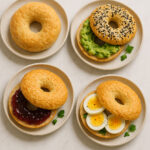
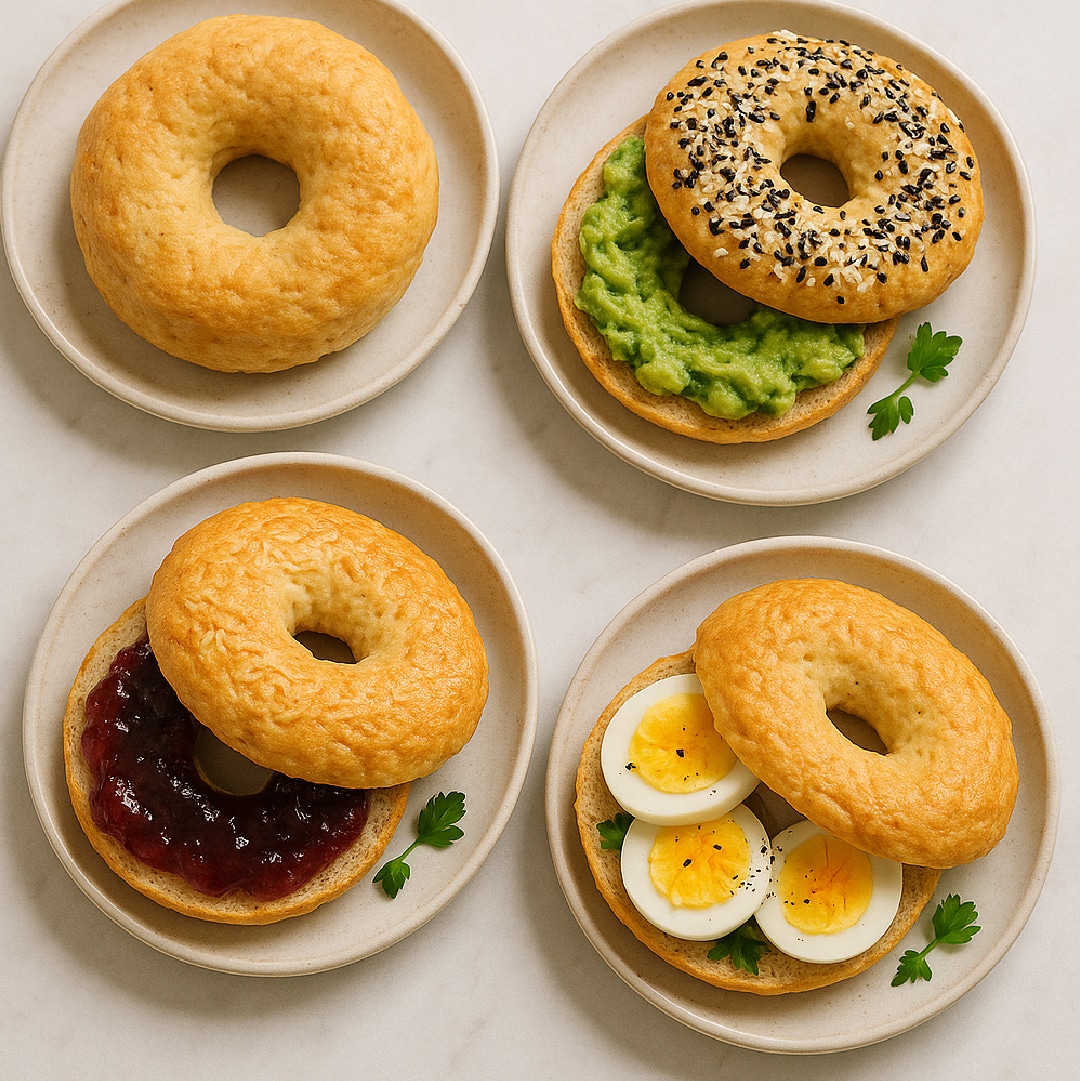
For sweet mornings, I love almond butter with sliced banana, or a thick spread of Greek yogurt with a drizzle of honey and fresh berries. When I’m craving something savory, smoked salmon with whipped cream cheese is my go-to, or a fried egg with mashed avocado and everything seasoning.
If you want to really maximize your protein and explore creative topping combinations that actually taste good together, I put together a complete guide to protein bagel toppings with macro breakdowns and pairing suggestions for both sweet and savory options.
Making These Work for Special Diets
One of the questions I get most often is: “Can I make these gluten-free?” The short answer is yes, but you need to use the right flour blend. Regular gluten-free flour usually makes the bagels too crumbly or gummy.
After testing multiple versions in my kitchen, I found a gluten-free protein bagel recipe that actually works it uses a specific blend of almond flour and tapioca starch that gives you that chewy texture without the gluten. If you need to avoid wheat, that recipe is your best bet.
For those who just want to swap in different flour types while keeping gluten, I also have a guide to flour swaps for bagels that covers everything from whole wheat to spelt to einkorn.
How These Stack Up Against Each Other
When I’m deciding which version to make, here’s how I think about it:
| Recipe | Protein (g) | Texture | Best For |
|---|---|---|---|
| Cottage Cheese | 13g | Soft, springy | Meal prep, versatile base |
| Greek Yogurt | 11g | Light, chewy | Quick weekday mornings |
| Mixed Dairy | 15g | Chewy outside, tender inside | Maximum protein days |
| Cinnamon Raisin | 12g | Moist, cake-like | Weekend treats |
| Cheddar Jalapeño | 15g | Firm edges, cheesy interior | Savory breakfast lovers |
For meal prep: The Greek yogurt and mixed dairy versions freeze and reheat the best. They hold their texture even after a few days in the freezer.
For busy mornings: The plain Greek yogurt or cottage cheese bases are the fastest to make and pair with anything peanut butter and banana, cream cheese and tomato, or just toasted with butter.
For serious protein goals: The cheddar jalapeño and mixed dairy versions give you 15 grams per bagel. That’s as much protein as two eggs, but in a form that travels better and feels more satisfying.
⚠️ A Note Before You Start
These recipes are based on my personal kitchen experience and what’s worked for me and my family. I’m not a doctor or registered dietitian just someone who loves making food that tastes good and supports wellness goals. If you have specific dietary needs, allergies, or health concerns, please check with your healthcare provider before trying these recipes. And as always, read your ingredient labels to make sure everything works for your body.
Your Questions About Protein Bagels Answered
How do I add more protein to a bagel?
Start with high-protein bases like Greek yogurt or cottage cheese they naturally boost protein while keeping the texture soft. You can also mix in a tablespoon or two of unflavored whey protein isolate with the flour, add shredded cheese directly into the dough, or top with protein-rich ingredients like nut butter, eggs, or smoked salmon after baking. For a complete breakdown of topping options, check out my protein bagel toppings guide.
Can I make these bagels without Greek yogurt?
Yes. You can use cottage cheese instead just blend it until smooth first. The texture will be slightly lighter and fluffier, and you’ll actually get a bit more protein per bagel. I switch between the two depending on what I have on hand.
What makes bagels high in protein?
Traditional bagels aren’t naturally high in protein they’re mostly flour and water. But when you replace those low-nutrient ingredients with Greek yogurt, cottage cheese, or eggs, the protein content jumps significantly. These recipes deliver 11-15 grams of protein per bagel, compared to maybe 5-6 grams in a regular store-bought bagel. If you’re curious about the differences between the two main protein bases, I wrote a comparison of cottage cheese vs Greek yogurt.
How long do homemade protein bagels last?
At room temperature, they’ll stay fresh for about two days if you keep them in an airtight container. In the fridge, they last about five days. But I recommend freezing them if you make a big batch they’ll keep for up to three months and toast perfectly straight from the freezer.
Do these taste like “real” bagels?
They’re different, but in a good way. They’re chewier and denser than traditional yeast bagels, with a slight tanginess from the yogurt or cottage cheese. My grandmother says they remind her of the bagels she ate growing up less airy, more substantial. If you’re looking for an exact replica of a New York deli bagel, these won’t be it. But if you want something that tastes good, keeps you full, and actually fits your goals, they’re better.
Can I make these gluten-free?
Yes, but you need a specific flour blend to get the right texture. I tested this extensively and created a dedicated gluten-free protein bagel recipe that uses almond flour and tapioca starch. Regular gluten-free all-purpose flour tends to make them too crumbly or gummy.
Why These Bagels Changed My Mornings
Here’s what I didn’t expect when I started making protein bagels: they’d become more than just a convenient breakfast. They became proof that healthy food doesn’t have to feel like compromise.
My mom always said that the best approach to food is knowing exactly what goes into it. And that’s what these bagels gave me control, simplicity, and the satisfaction of eating something that actually supports my body instead of working against it.
Some mornings, I make the cinnamon raisin version and toast it with almond butter. Other mornings, it’s the savory cheddar jalapeño with a fried egg on top. But every morning, I’m eating something that keeps me full until lunch, doesn’t spike my blood sugar, and tastes like actual food not diet food.
My grandmother still shakes her head sometimes when she sees me pull bagels out of the freezer instead of buying them from the bakery down the street. But she also asks me to make her “those sweet ones” on Sundays. And that, more than anything, tells me I’m doing something right.
If you’ve been stuck in the cycle of buying expensive “healthy” bagels that don’t fill you up, or eating the same boring breakfast every day because you don’t have time for anything else, try one of these. Pick whichever version sounds good to you there’s no wrong choice.
Make them on a Sunday. Freeze them. Toast one on Tuesday morning when you’re running late. And notice how different your morning feels when you’re actually satisfied instead of just… eating.
That’s what these bagels gave me. And I hope they do the same for you.
Want more breakfast ideas that actually work with real life? I share recipes, kitchen tips, and behind-the-scenes stories from my Nashville kitchen on my Facebook page. Come join me there I’d love to hear how your bagels turn out.
High Protein Bagel Recipe
Ingredients
Method
- 1. Preheat oven to 375°F (190°C).
- 2. In a mixing bowl, combine Greek yogurt or blended cottage cheese with flour and salt. Stir until a dough forms.
- 3. If using mix-ins like cheese, cinnamon, or fruit, fold them into the dough.
- 4. Lightly knead the dough on a floured surface 5–6 times until smooth.
- 5. Divide the dough into 4 equal pieces. Roll each into a log and form into a bagel shape.
- 6. Place the shaped bagels on a parchment-lined baking tray.
- 7. Brush the tops with beaten egg and sprinkle with desired toppings.
- 8. Bake for 22–25 minutes or until golden and firm to the touch.
- 9. Cool slightly before serving. Store leftovers in the fridge or freezer.