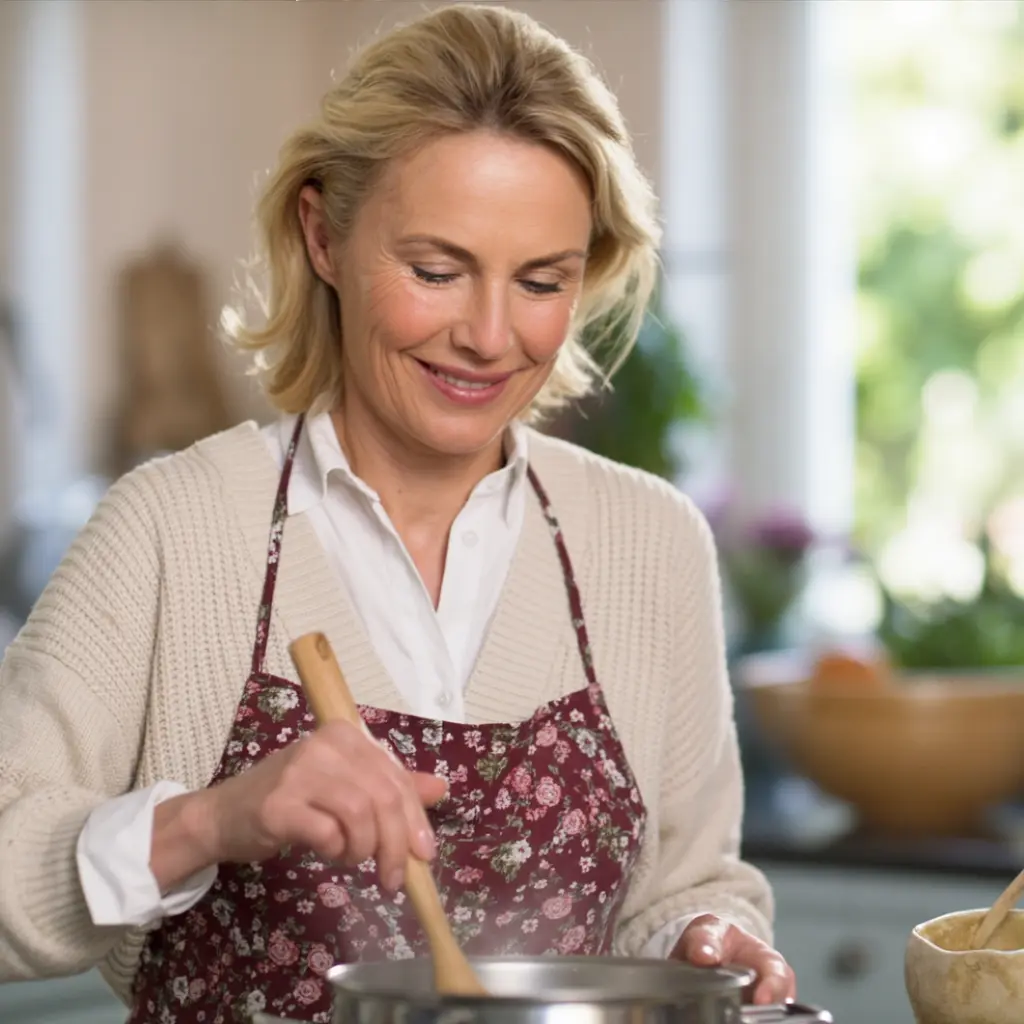

When the pot sits on the stove and the air fills with the first warm notes of browned meat and sweet peppers, I remember my grandmother standing by the stove with a wooden spoon in hand. The sound of her voice mixed with the soft hiss of oil, and the smell—smoky, bright, home—seemed to open a map of our family. Cajun Jambalaya was never just food for us. It was a way to gather after long days, to mend small hurts, and to teach the next child how to stir with patience and pride. I want to share that feeling with you, one spoonful at a time.
Why Cajun Jambalaya Belongs in Your Kitchen Story
Cajun Jambalaya carries memory in its steam. For generations, families have used it to mark Sundays, holidays, or any day that needed comfort. The pot holds more than rice and spice. It holds stories that travel from small kitchens to crowded tables.
When you cook this dish, you touch tradition. The mix of chicken, sausage, and shrimp reflects a way of cooking that uses what you have and turns it into something whole. It is bold, yes, but it also sings of care. That is why this recipe lives in so many homes.
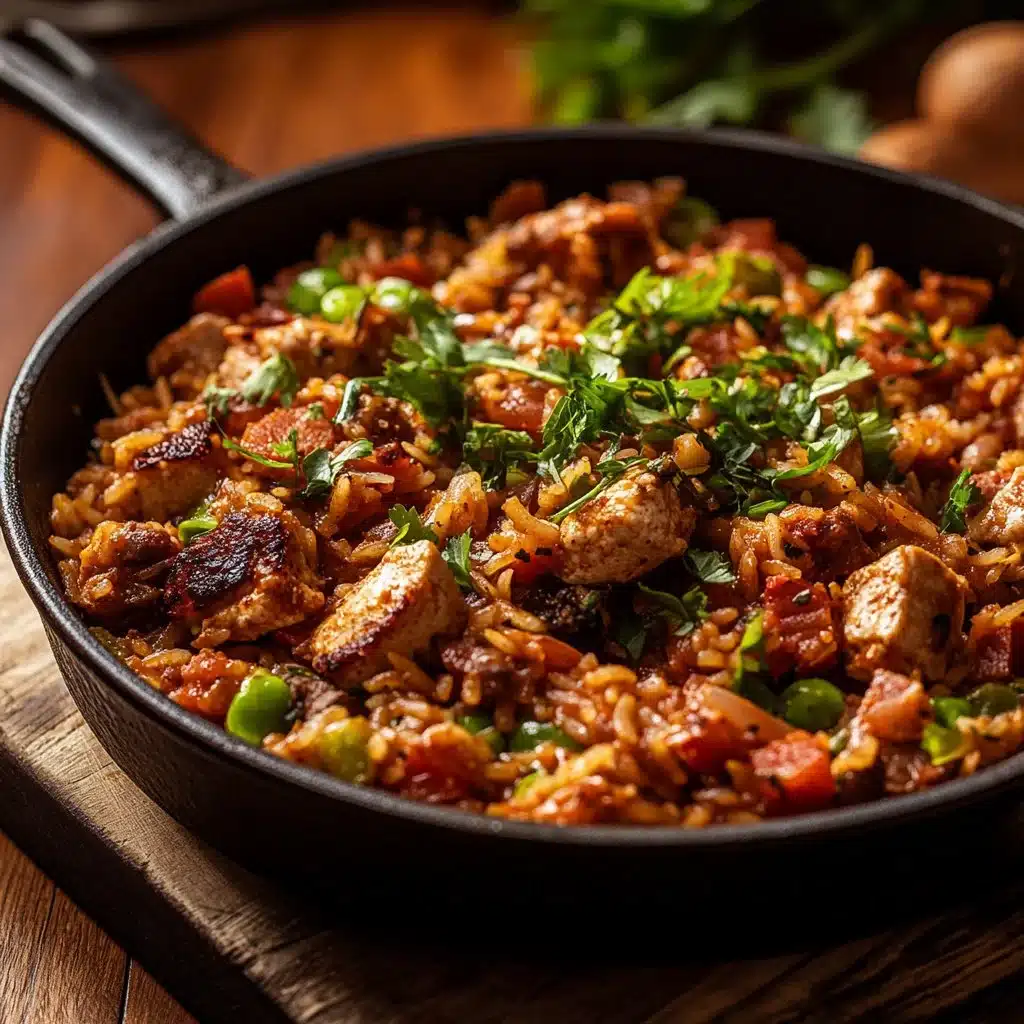
Meanwhile, the colors of the dish recall warm afternoons. The red of tomato, the deep brown of browned sausage, the tender pink of shrimp create a plate that looks like a family portrait. The aroma brings people out of other rooms. From there, hands find plates and stories begin again.
I share this recipe not to freeze it in time, but to show how it bends with new cooks and loving souls. Try it to remember, to teach, or to simply slow down and eat slowly.
How to Make Cajun Jambalaya
“Every time I stir this pot, it smells just like Sunday at home.”
Before we begin, take a breath and set your tools near the stove. You will notice color cues as you cook. The chicken and sausage should take on a rich brown. The vegetables should soften until they look almost velvety. The rice will absorb the broth and plump up until it is tender but still has a slight bite.
This overview will guide you through steps that build flavor slowly. You will brown, then soften, then simmer, and finally finish with the shrimp. Texture and timing matter. Watch how the pot changes and let it tell you when to move to the next step.
I like to think of this process as a slow conversation with the food. You prompt it with heat and seasoning, and it answers with aroma and color. Keep your hands steady and your senses open.
Ingredients You Will Need
1 pound chicken, diced
1 pound shrimp, peeled and deveined
1 pound sausage, sliced
1 onion, chopped
1 bell pepper, chopped
2 celery stalks, chopped
4 cloves garlic, minced
1 can (14.5 oz) diced tomatoes
4 cups chicken broth
2 cups long-grain rice
2 tablespoons Cajun seasoning
Salt and pepper to taste
2 tablespoons olive oil
Green onions, for garnish
Friendly side notes: use fresh parsley if you can it brightens the flavor and adds a green note that looks cheerful on the plate. If your sausage is smoked, it will lend a deep, lasting taste. Choose a good quality rice that will not turn mushy. And if fresh shrimp is not available, thawed frozen shrimp work well when added at the end.
Step-by-Step Directions
-
In a large pot, heat olive oil over medium heat. Add chicken and sausage, cooking until browned.
Watch for golden edges on the meat. Brown in batches if your pot is crowded.
A good sear gives the stew depth and scent. -
Stir in onion, bell pepper, celery, and garlic. Cook until vegetables are tender, about 5 to 7 minutes.
Cook until the onions turn translucent and the peppers soften but still keep shape.
Stir until glossy and fragrant. -
Add diced tomatoes, chicken broth, Cajun seasoning, salt, and pepper. Bring to a boil.
Let the broth lift the flavors from the bottom of the pot as it moves.
Taste for seasoning before adding rice. -
Stir in rice, reduce heat, cover, and let simmer for 20-25 minutes or until rice is cooked and liquid is absorbed.
Keep the lid snug and resist the urge to stir often.
Check at 18 minutes to watch the rice texture. -
Add shrimp to the pot in the last 5 minutes of cooking.
Shrimp cook quickly and stay tender when added late.
Fold them in gently so they keep their shape. -
Once cooked, fluff with a fork and garnish with green onions before serving.
Let the jambalaya sit off the heat for a few minutes so flavors settle.
Serve warm and watch faces light up.
Each step is simple, but each one builds the base of a very personal dish. Small pauses and small checks keep the rice from overcooking and the shrimp from becoming rubbery. Use a heavy-bottom pot if you have one. It helps the heat spread evenly and prevents sudden hot spots.
Bringing Cajun Jambalaya to the Table

When I set this pot on the table, I arrange simple bowls and spoons and let the steam lift their lids. People lean in. The first spoonful is a soft pause. You taste the savory stock, the sweet bite of the peppers, the smoky sausage, and then the bright lift from green onion garnish.
Serve with crusty bread that can wipe the bottom of a plate, or a simple green salad to cut the richness. A pitcher of water with lemon or a small glass of white wine sits well beside the bowl. Children reach for spoonfuls and adults take second servings as conversation grows.
There is a way the table feels different with jambalaya. It invites mixing, sharing, and passing the pot. Plates are not pristine. They are worn with good food and even better laughs. This is where the recipe shows its real role. It holds a room together for a while.
Meanwhile, watch how the colors hold on the plate. If you cooked the rice correctly, each grain will be distinct. If the shrimp are bright and firm, you know you nailed the timing. These small victories make the meal feel like an event.
Keeping the Comfort Alive
Leftovers from jambalaya deserve their own small ceremony. Once cooled, transfer the dish to shallow containers and place them in the fridge. I label the top with the date so I know when it is time to eat again.
To reheat, warm gently in a skillet with a splash of broth or water. Heat slowly so the rice does not dry out and so the flavors reawaken without burning. In the microwave, use a loose cover and stir halfway through. Add a little liquid to restore moisture.
Flavors will deepen overnight. The spices meld with the meat and rice, and the dish often tastes even better the next day. You can also freeze in portions for quick meals. Thaw in the fridge before reheating to keep the shrimp tender and the rice intact.
Store jambalaya up to three days in the fridge or up to two months in the freezer when sealed well. When reheating frozen portions, let them defrost in the fridge overnight for best texture.
Dalida’s Little Secrets
-
Brown in layers. Don’t overcrowd the pot when browning meat. It helps the meat color and keeps the pan from steaming instead of searing.
A slow browning gives the final dish a rounded flavor. -
Rinse rice if needed. For some brands I rinse until the water runs clear to reduce extra starch. For other brands I skip rinsing to keep a bit more stick for texture.
Either way, check the rice around 18 minutes for doneness. -
Finish with acid if you like. A squeeze of lemon or a splash of apple cider vinegar brightens the whole pot and lifts the heavy notes.
Add it at the end so the flavor stays fresh. -
Use homemade broth. If you can, use broth you made at home. It adds a quiet depth that commercial broths cannot always match.
Otherwise choose a low-sodium store broth and season gradually. -
Watch the shrimp. Shrimp toughen if cooked too long. Add them in the last five minutes as the recipe says and you will be rewarded with tender bites.
When shrimp curl into a gentle C shape, they are done.
These notes come from years of watching pots and listening to family advice. They are small changes that preserve texture and boost flavor without fuss.
Heritage Variations
In my family, we learned to bend this dish to the day. Some cousins add a splash of Worcestershire for a deeper umami. Others swap the chicken for duck when it is on sale. Around holiday time, my aunt adds a bay leaf and a pinch of thyme for an added green taste that blends well with garlic.
In other regions, people cook a darker roux at the start to create a richer base. Creole versions lean more on tomatoes, while some Cajun kitchens keep them lighter. Louisiana cooks often emphasize local sausage and seafood. Inland families use more chicken and smoked pork.
When my neighbors first moved from a coastal town, they taught me to use crab meat as a finish for special nights. I learned to add it tenderly so it does not break down. Variation is a sign of care. It shows how the recipe travels and learns.
If you want a vegetarian take, try replacing meat with firm mushrooms and smoked tofu, and use a vegetable broth. The goal is to honor the balance of texture, spice, and heart that jambalaya brings. From there, you can make the dish fit the life you live.
FAQs About Cajun Jambalaya
Can I make this in a slow cooker?
Yes, you can. Brown the meats first for color, then transfer to a slow cooker with the rest of the ingredients. Cook on low for 3 to 4 hours, and add rice later so it does not turn mushy.
What if I only have medium-grain rice?
Medium-grain rice will work but watch the liquid. It may absorb faster or feel softer. Check for texture and adjust cooking time by a few minutes.
Can I use pre-cooked shrimp?
Yes, pre-cooked shrimp are fine if you add them at the end to warm through. Do not cook them long or they will become rubbery.
How spicy should this be?
Spice is personal. Start with two tablespoons of Cajun seasoning as written, then taste and adjust. If you prefer mild, use less or choose a milder mix. For more heat, add a pinch of cayenne or a chopped hot pepper.
Can I make this ahead for a party?
You can cook most of it ahead and keep it warm in a low oven. Add shrimp and green onions just before serving for freshness.
These answers come from years of cooking many pots and listening to simple questions. I say them as I would to a neighbor, with patience and care.

A Final Thought
If you want to fold memory into a meal, this recipe will help you do it. Each step asks you to slow down, to notice the sound of onions in the pot, the smell of sausage as it browns, the color of tomatoes as they break down. These small moments add up to a plate that heals in a quiet way.
Cooking like this invites people in. It tells them that they are welcome to sit, to speak, and to be fed more than just food. Jambalaya is a reminder that a single pot can hold many hands and many days. It is a simple meal that carries weight.
Before you walk away from the stove, taste again. Adjust if you must. Then call the family. Set an extra place. Food heals when it is shared.
Conclusion
If you would like to read a detailed outlook on techniques and the history behind this one-pot meal, I found a thoughtful guide in this Saveur piece on cajun jambalaya that explores traditional methods and tips.
For plant-based options that honor the spice and soul of this dish, try the careful adaptations in this plant-based Cajun jambalaya recipe, which shows how to keep the heart of the dish while changing the proteins.
May your kitchen be warm and your table full.

Cajun Jambalaya
Ingredients
Method
- In a large pot, heat olive oil over medium heat. Add chicken and sausage, cooking until browned.
- Watch for golden edges on the meat. Brown in batches if your pot is crowded.
- Stir in onion, bell pepper, celery, and garlic. Cook until vegetables are tender, about 5 to 7 minutes.
- Add diced tomatoes, chicken broth, Cajun seasoning, salt, and pepper. Bring to a boil.
- Stir in rice, reduce heat, cover, and let simmer for 20-25 minutes or until rice is cooked and liquid is absorbed.
- Add shrimp to the pot in the last 5 minutes of cooking.
- Once cooked, fluff with a fork and garnish with green onions before serving.