To use gelatin for weight loss, bloom 1 tablespoon (approx. 10g) of unflavored, 225-Bloom gelatin powder in 1/4 cup of cold water for 5 minutes. Add 3/4 cup of hot herbal tea (190°F), stir until dissolved, and consume 30 minutes before your largest meal. This viscous hydrogel creates gastric distension, suppresses the hunger hormone ghrelin, and stimulates GLP-1 production to enhance satiety.
The viral “Gelatin Trick” taking over social media isn’t magic; it is biochemistry. If you came here from the viral TikTok gelatin trick trend, you’ve seen influencers promote colorful cubes as a “natural Ozempic.” The reality is simpler (and more useful): it comes down to gelatin’s amino acid profile and what it physically does inside the stomach.
Most weight loss hacks fail because they ignore physiology. They tell you to eat less, but they don’t give you the tools to manage the hunger that inevitably follows. This protocol is different. It uses the physical properties of gelatin specifically its ability to form a viscous hydrogel to hack your body’s satiety signals.
Unlike standard protein shakes, gelatin possesses a unique property: viscosity. When prepared correctly, gelatin forms a lattice of protein chains that traps water which is exactly why the gelatin fullness research is so relevant here. When consumed 30 minutes prior to a meal (a technique known as pre-prandial loading), this hydrogel does two things:
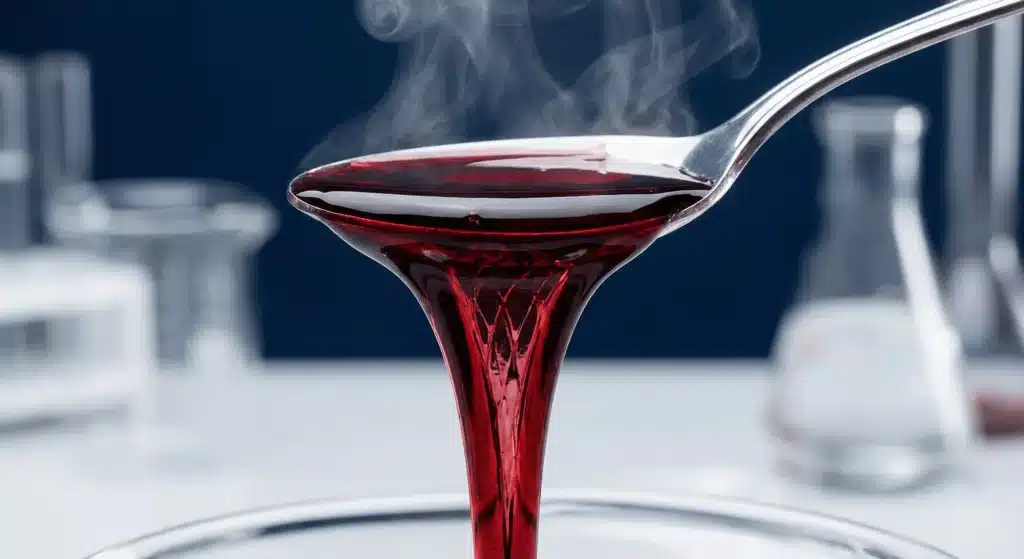
- Physical Distension: It occupies volume in the stomach, delaying gastric emptying and triggering mechanoreceptors that signal fullness to the brain.
- Hormonal Modulation: Research indicates that a single gelatin meal can induce a rise in GLP-1 (Glucagon-like peptide-1), the same hormone targeted by modern weight loss drugs, while suppressing ghrelin (the hunger hormone) more effectively than other proteins like casein.
The “Golden Ratio” Gelatin Recipe
The mistake most people make is using the wrong water-to-gelatin ratio, resulting in a rubbery texture or a liquid that fails to set in the gut. If you want the smoothest texture and best “set,” start by choosing the best liquids for the gelatin trick (tea, broth, and water don’t behave the same). We use the Bloom Strength standard (typically 225 for store-bought Knox gelatin) to calculate the perfect viscosity.
Ingredients & Equipment
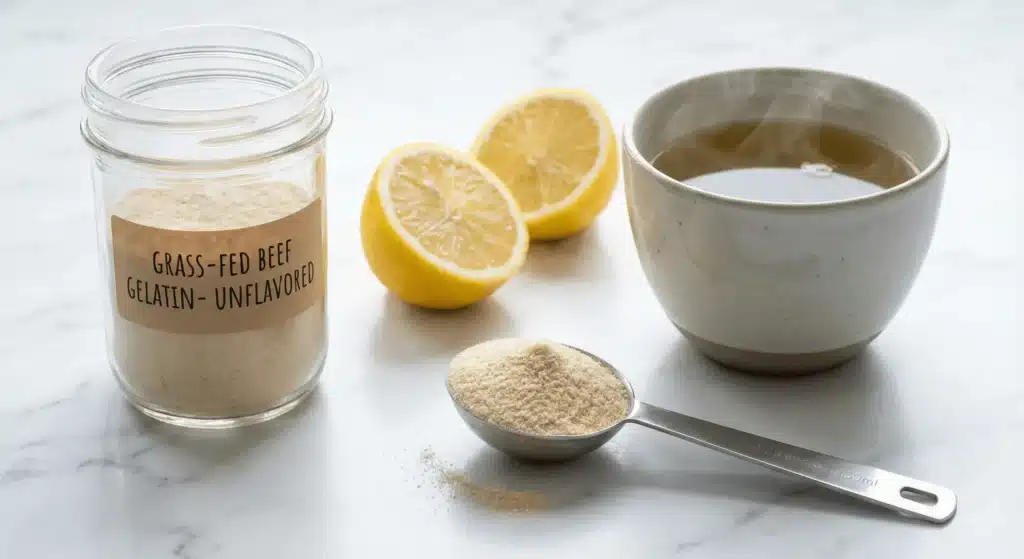
- 1 Tablespoon (approx. 10g) Unflavored Beef or Porcine Gelatin. Look for “225 Bloom” or “Silver Grade” on the package.
- 1/4 Cup Cold Water (strictly for blooming).
- 3/4 Cup Hot Liquid. Green tea, Hibiscus tea, or bone broth work best.
- Warning: Avoid fresh pineapple, kiwi, mango, or papaya. These fruits contain protease enzymes (like bromelain) that break down the protein structure and prevent the gel from forming.
The Preparation Protocol
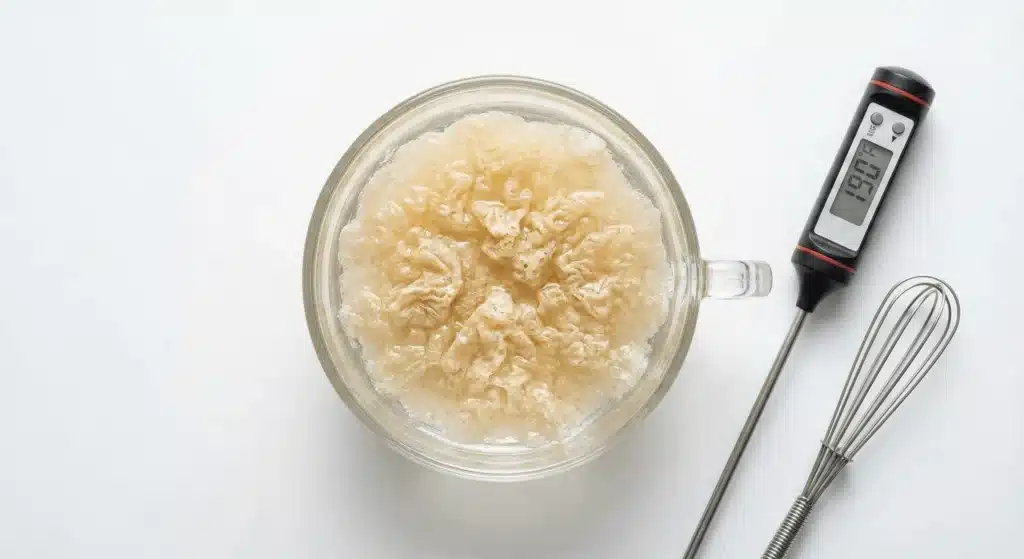
- The Bloom: Pour 1/4 cup of cold water into a mug. Sprinkle the gelatin powder evenly over the surface. Do not dump it in a pile. Let it sit for 5 minutes. This process, called “blooming,” allows the granules to absorb water and ensures a smooth texture.
- The Dissolution: Heat your chosen liquid (tea or water) to roughly 190°F (just off a boil). Pour the hot liquid over the bloomed gelatin. Do not boil the gelatin directly, as temperatures above 212°F can weaken its structure.
- The Emulsification: Stir vigorously for 60 seconds until no granules remain.
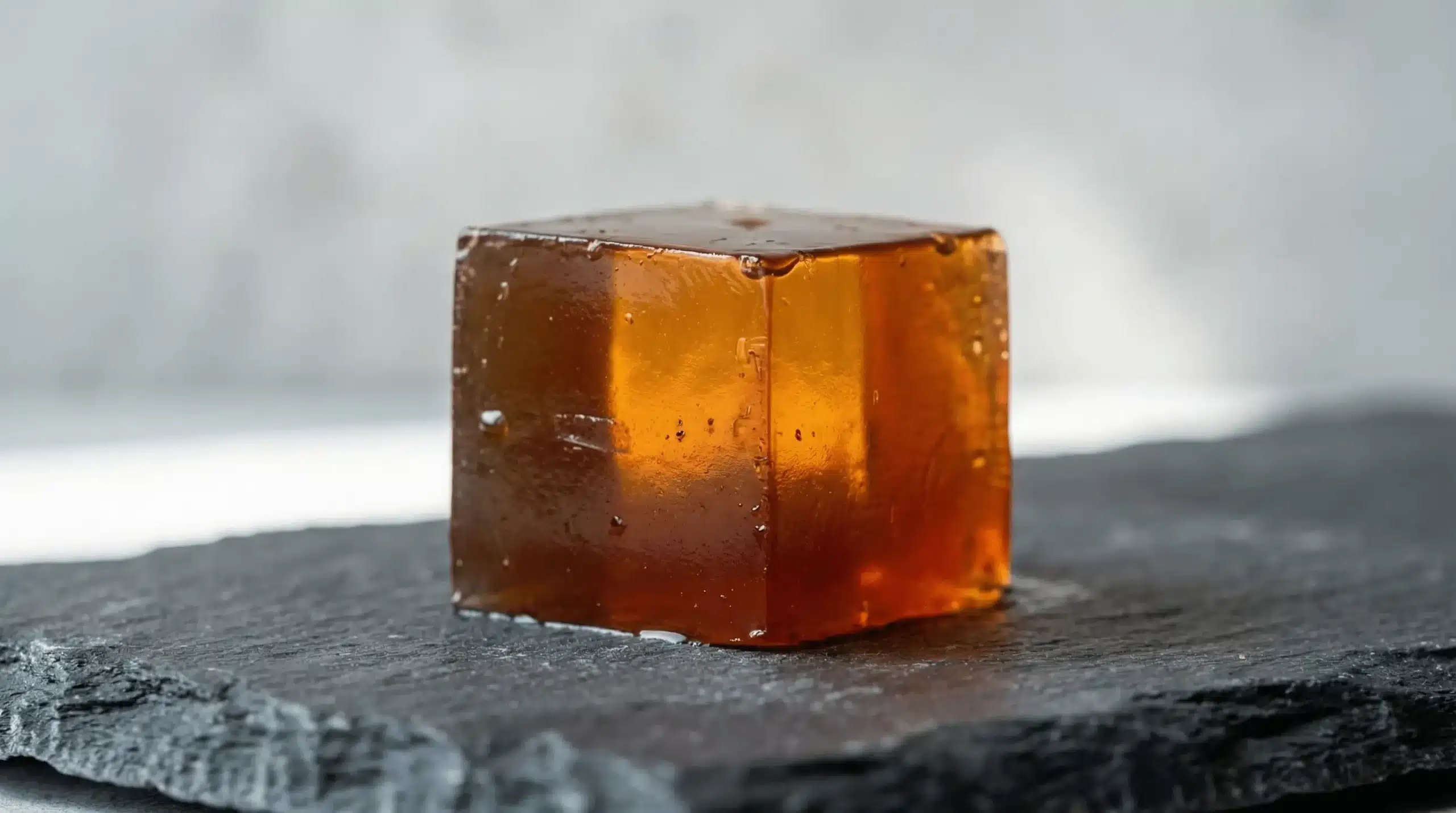
- The Set (Optional): You can drink it warm as a “satiety tea” or pour it into molds and refrigerate for 3 hours to create “Power Cubes”.
Gelatin Calculator: Customize Your Consistency
Don’t guess the measurements. Whether you want a warm drink to sip or firm gummies to chew, the ratio of gelatin to liquid changes significantly. Use the tool below to calculate your exact recipe based on your preferred texture and serving size.
Nutritional Profile and The Glycine Advantage
Why does this specific protein help with weight loss? It comes down to Glycine.
Standard muscle meats (chicken breast, steak) are high in methionine and low in glycine. Our modern diet is imbalanced. Gelatin restores this balance.
| Component | Amount per 10g | Metabolic Benefit |
|---|---|---|
| Protein | 9g | High Thermic Effect of Food (TEF); preserves lean muscle mass during deficits. |
| Glycine | ~2.5g | Improves insulin sensitivity; reduces systemic inflammation; aids sleep. |
| Calories | ~35 kcal | Extremely low caloric density for the volume of satiety provided. |
| Carbs/Fats | 0g | Does not spike blood sugar; keto and fasting-mimicking friendly. |
Research suggests that glycine supplementation can attenuate the rise in free fatty acids and inflammatory cytokines associated with obesity. Furthermore, consuming 3g of glycine before bed has been shown to improve sleep quality and reduce daytime sleepiness, which is crucial for cortisol regulation and weight management.
glycine’s impact on sleep quality and cortisol
Safety, Contraindications, and The “Alpha-Gal” Warning
While gelatin is Generally Recognized As Safe (GRAS), it is not for everyone.
Histamine and Alpha-Gal Syndrome
If you have a history of tick bites or known red meat allergies, be aware of Alpha-Gal Syndrome. Gelatin is mammal-derived (usually beef or pork) and can trigger severe allergic reactions, including anaphylaxis, in sensitized individuals. Symptoms may include hives, drop in blood pressure, or gastrointestinal distress 2-6 hours after consumption.
Kidney Health & Protein Load
Gelatin is a concentrated protein. For individuals with Chronic Kidney Disease (CKD) or liver failure, high protein intake can increase the filtration load on the kidneys. While studies on gelatin volume expanders in cardiac surgery showed no significant association with acute kidney injury, those on protein-restricted diets must count gelatin toward their daily total.
Bloating & Water Intake
Because gelatin is hydrophilic (water-loving), consuming it without adequate hydration can cause bloating or constipation. It absorbs liquid in your gut. Always chase your gelatin snack with a glass of water to ensure it hydrates properly.
Gelatin vs. Collagen Peptides: Which is Better for Weight Loss?
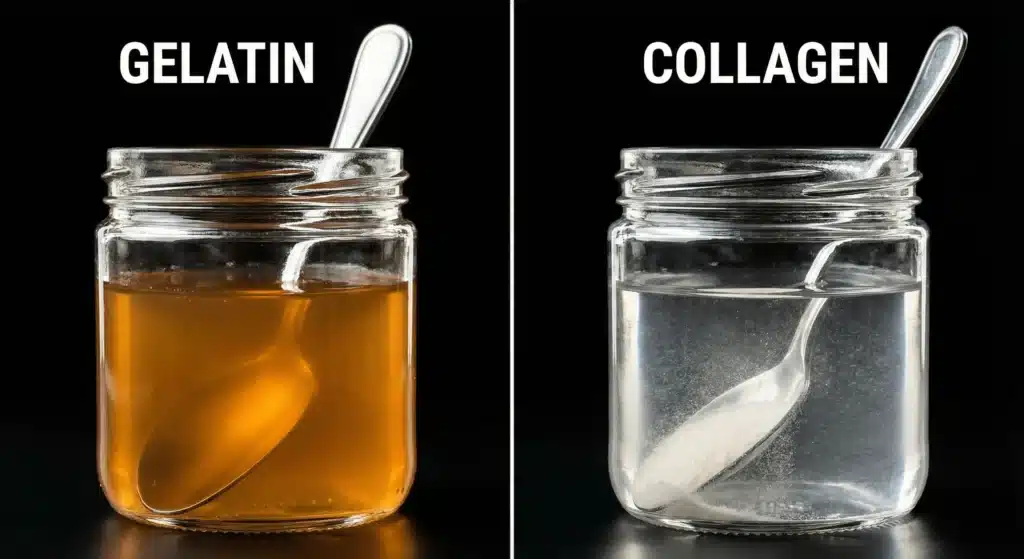
This is a common point of confusion.
- Collagen Peptides (Hydrolyzed Collagen): Processed to dissolve in cold water. They do not gel. They are excellent for skin and joint health but lack the viscous, stomach-filling property of gelatin.
- Gelatin: Partially hydrolyzed. It gels. This gelling action is what delays gastric emptying and makes you feel full.
Verdict: For weight loss and satiety, Gelatin is superior. For skin elasticity and joint pain, Collagen Peptides are more convenient.
Frequently Asked Questions
You can, but the texture and metabolic effects differ. Agar is a carbohydrate (fiber), not a protein. While it gels and provides fullness, it lacks the glycine and protein required to stimulate GLP-1 or support muscle retention. It also tends to result in a “brittle” texture compared to gelatin’s “chew”.
Technically, yes. It contains calories and amino acids. However, in a “Dirty Fasting” or weight loss context, the appetite suppression it provides often outweighs the small caloric interruption.
You likely used a fruit with protease enzymes (Pineapple, Kiwi, Papaya, Mango) or didn’t bloom the powder in cold water first. These enzymes eat the protein lattice, preventing the gel from forming.
No. Collagen peptides are hydrolyzed. They will dissolve in water, but they will not “gel.” You will not get the satiety benefit of the solid jelly volume in your stomach.
Use the calculator above. Generally, 1-2 tablespoons of dry gelatin powder per day is the therapeutic dose for gut healing and metabolic support.
Low-quality gelatin smells like a wet dog. High-quality grass-fed gelatin should be odorless and tasteless. If it smells, switch brands.
This is for informational purposes only. For medical advice or diagnosis, consult a professional.
🧪 Gelatin Satiety Calculator
Customize your ratio for drinks, jello, or gummies.
- Bloom powder in 0.25 cups cold water for 5 mins.
- Add 0.75 cups hot liquid (190°F).
- Stir until dissolved. Drink warm.
The "Golden Ratio" Metabolic Gelatin
Ingredients
Equipment
Method
- Bloom the Gelatin. Pour the cold water into your mug. Sprinkle the gelatin powder evenly over the surface. Do not stir yet. Let it sit undisturbed for 5 minutes until it looks like a wrinkled sponge.
- Heat the Liquid. While the gelatin blooms, heat your tea or broth to roughly 190°F. Do not bring to a rolling boil, as extreme heat can degrade the protein structure.
- Dissolve. Pour the hot liquid over the bloomed gelatin. Stir vigorously for 60 seconds until absolutely no granules remain on the bottom of the mug.
- Consume. Drink immediately as a warm tea for satiety, or pour into silicone molds and refrigerate for 3 hours to make "Power Cubes."