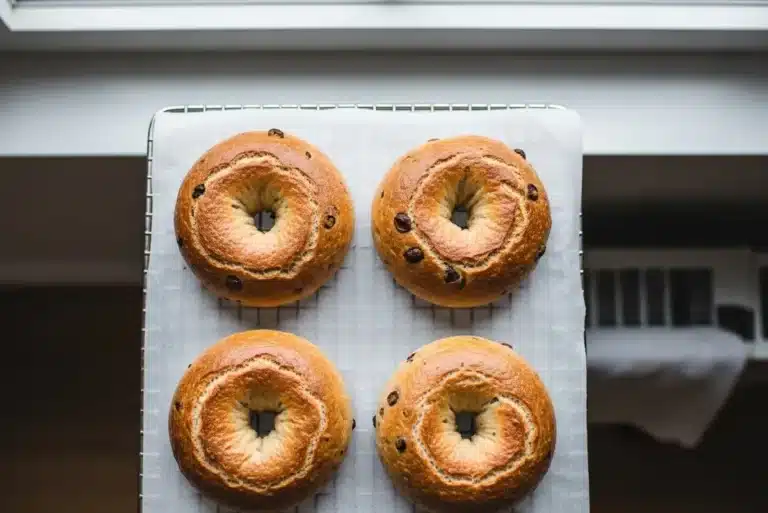
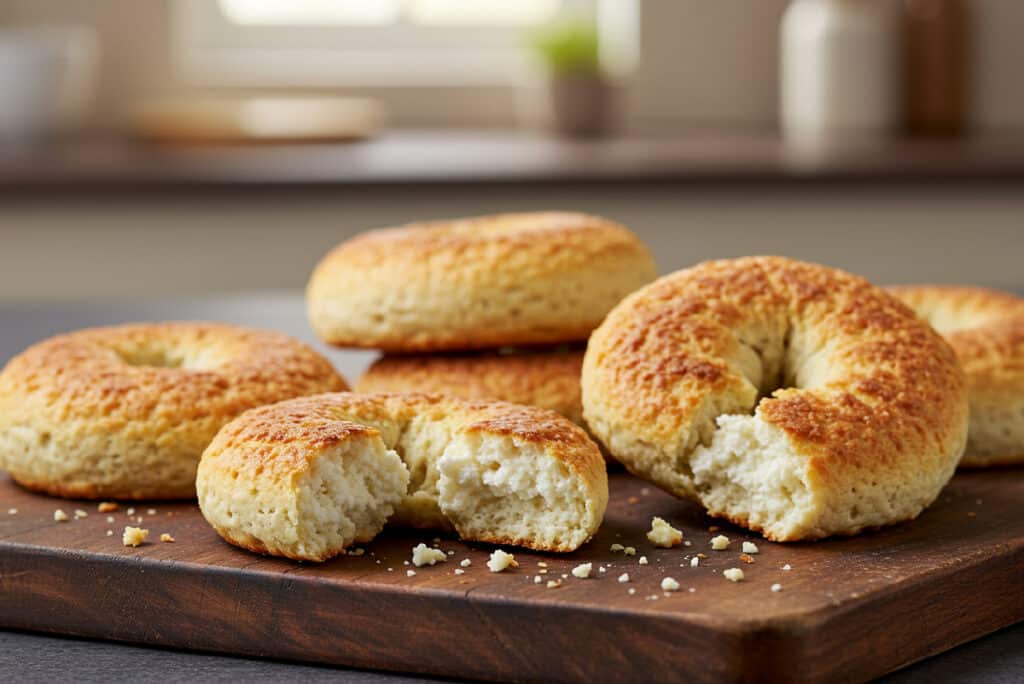
There are mornings when I want something that feels like a hug from my grandmother Dalida’s kitchen warm, chewy, comforting but that also keeps me full past ten o’clock. If you’ve ever had breakfast that left you starving an hour later, this protein bagel recipe cottage cheese makes possible might just change your mornings.
I grew up eating bagels that were all carbs and nostalgia. They tasted amazing, sure, but they never lasted. This version? It keeps everything I love about a fresh bagel the golden crust, the soft middle, that just-baked smell and adds real fuel. No protein powders. No weird ingredients. Just cottage cheese, an egg, and flour working together to give you a breakfast that actually sticks with you.
These bagels have become my weekday lifeline. Make a batch on Sunday, toast one on Tuesday morning, top it with whatever sounds good, and you’re set. Let me show you why this works so well.
Why Cottage Cheese Bagels Work Better
Here’s the thing about regular bagels they’re delicious, but they’re basically refined carbs wrapped around air. You get a quick energy spike, then a crash that leaves you digging through your desk drawer for snacks by mid-morning. I used to think that was just how bagels worked. Turns out, it doesn’t have to be that way.
A typical store-bought bagel gives you maybe 7 to 11 grams of protein and a whole lot of carbs. This protein bagel recipe cottage cheese version flips that balance. With cottage cheese and egg folded right into the dough, each bagel delivers between 11 and 14 grams of protein enough to actually matter. The carbs are still there, but they’re balanced out by protein and a bit of fat, so your blood sugar doesn’t spike and crash.
The texture is different too. Regular bagels can feel heavy, almost dense. These are lighter and fluffier inside while still giving you that satisfying chew on the outside. My mom used to say that food should support your body, not just fill space. That’s exactly what these do they nourish you without weighing you down.
If you’ve tried Greek yogurt bagels before, you’ll notice cottage cheese creates a creamier, milder flavor. Both work beautifully, but cottage cheese brings a softness that’s hard to beat.
What You’ll Need
One of the best parts about this protein bagel recipe cottage cheese based? The ingredient list is refreshingly short. No yeast. No long rise times. No fancy equipment. Just four simple things that probably live in your kitchen right now.
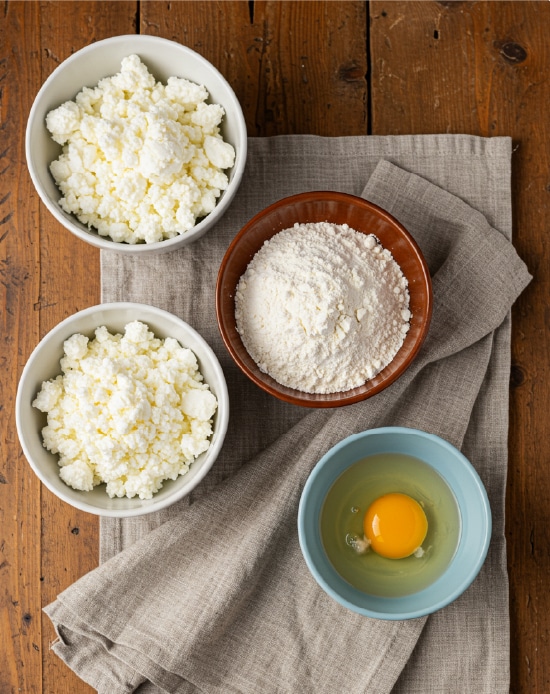
- 1 cup self-rising flour (or make your own: 1 cup all-purpose flour + 1½ teaspoons baking powder + ¼ teaspoon salt)
- ¾ cup cottage cheese (strained more on why this matters in a minute)
- 1 egg (adds moisture and extra protein)
- Optional toppings: sesame seeds, everything bagel seasoning, flaky salt, poppy seeds
The cottage cheese is the star here. It replaces butter or oil, keeps the bagels soft and tender, and delivers most of the protein punch. One tip: use full-fat or 2% cottage cheese for the best texture. The low-fat versions can make the dough too wet and harder to work with.
If you want a simpler version without the egg, check out this classic cottage cheese bagel recipe it’s just two ingredients and works beautifully for a quick breakfast.
What Each Bagel Gives You
When you follow this protein bagel recipe cottage cheese method exactly, here’s the breakdown per bagel (makes 4):
| Nutrient | Amount (per bagel) |
|---|---|
| Calories | 160–170 kcal |
| Protein | 11–14g |
| Carbohydrates | 18–22g |
| Fat | 2–3g |
That balance moderate carbs, solid protein, low fat is what makes these work for breakfast, post-workout snacks, or even a quick lunch base. They’re filling without being heavy, and they keep you satisfied for hours.
For more ideas on how to use protein bagels throughout your day, check out these protein-packed bagel toppings that work with any base.
How to Make Them (Step-by-Step)
Making these bagels is easier than you think. No yeast means no waiting. No boiling means no extra steps. Just mix, shape, and bake. Here’s exactly how it works.
Step 1: Strain Your Cottage Cheese
This step matters more than you’d think. Cottage cheese is naturally pretty wet, and if you skip the straining, your dough will be too sticky to shape. Use a fine mesh strainer or even a clean paper towel to gently press out the excess liquid. Let it sit for about 5 to 10 minutes.
You’re looking for a texture closer to thick ricotta still creamy, but not watery. This makes all the difference in how the dough behaves.
Step 2: Mix Your Dough
In a medium bowl, stir together your self-rising flour (or the flour + baking powder + salt combo if you’re making your own). Add the strained cottage cheese and crack in your egg. Stir with a fork or spatula until everything starts coming together into a rough, shaggy dough.
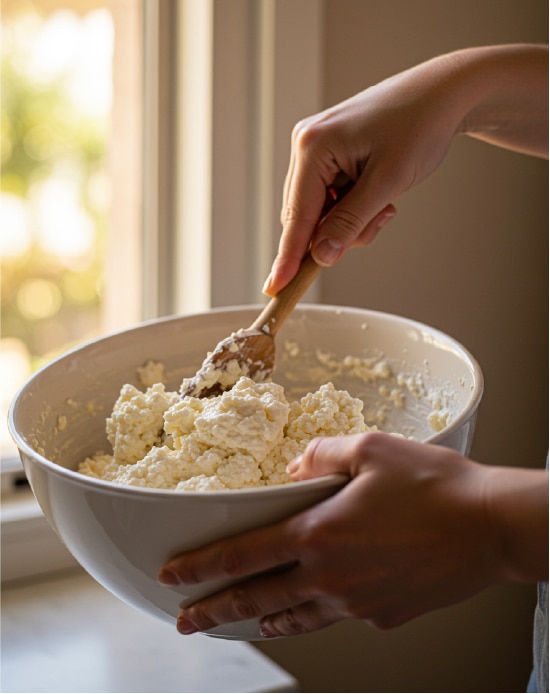
Once it’s mostly combined, use your hands to knead it gently for about a minute or two. You’re not trying to develop gluten like bread dough just bringing it together until it’s smooth and soft. If it feels too sticky, add a tablespoon of flour. Too dry? Add a tiny bit of water or more cottage cheese.
Step 3: Shape Your Bagels
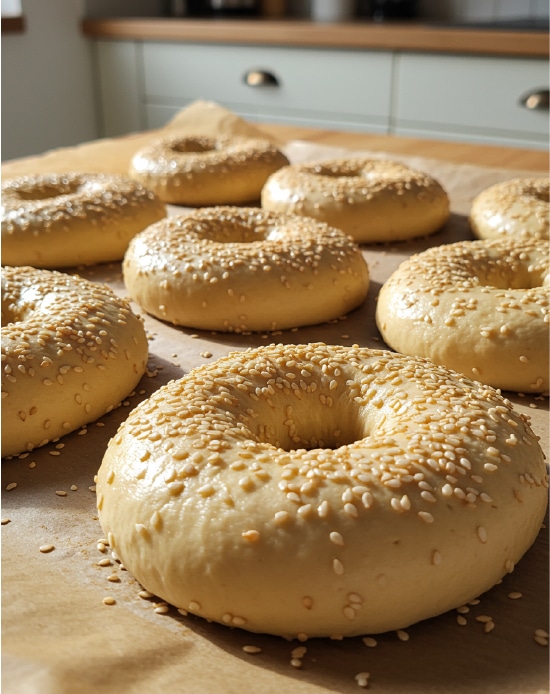
Divide the dough into four equal pieces. You can eyeball it or use a kitchen scale if you want them perfectly even. There are two ways to shape them:
- The rope method: Roll each piece into a rope about 7 inches long, then connect the ends and pinch the seam closed.
- The poke method: Press each piece into a thick disc, then use your finger to poke a hole through the center and gently stretch it into a bagel shape.
Either way works. Don’t stress if they’re not perfect circles they’ll look homemade and beautiful regardless.
Step 4: Add Toppings and Bake
Place your shaped bagels on a parchment-lined baking sheet. If you want toppings to stick, brush the tops lightly with a beaten egg or a bit of milk. Then sprinkle on whatever you like everything bagel seasoning is my go-to, but sesame seeds, poppy seeds, or flaky salt all work beautifully.
Bake at 375°F for 22 to 25 minutes, until they’re golden brown on top. If you want them extra shiny, you can switch to broil for the last 2 to 3 minutes just watch them closely so they don’t burn.
Oven or Air Fryer? Both Work
If you’re short on time or don’t want to heat up your whole kitchen, these work great in an air fryer too. Line the basket with parchment, place your bagels inside (you might need to do two batches), and cook at 325°F for 10 to 12 minutes. Check for golden tops and that slightly crisp edge.
Whether you use the oven or air fryer, the result is the same: a bagel with a soft, tender middle and just enough crust to hold up to whatever topping you throw at it.
Tips for the Best Texture
These bagels are forgiving, but a few small things can make a big difference in how they turn out. Here’s what I’ve learned after making them more times than I can count.
Always Strain the Cottage Cheese
I know I mentioned this earlier, but it’s worth repeating. Wet cottage cheese equals sticky, unworkable dough. Press it through a mesh strainer or wrap it in a clean dish towel and squeeze gently. You’ll be amazed how much liquid comes out and how much easier the dough is to handle once you remove it.
If your dough still feels too wet after straining, add flour a tablespoon at a time until it’s soft but not sticky. You’re looking for a texture similar to Play-Doh.
Let Them Cool Before Slicing
I know it’s hard to wait when they smell this good, but trust me on this one. Give your bagels at least 10 minutes to cool on a wire rack before you slice into them. The steam inside needs time to settle, or you’ll end up with a gummy, doughy center instead of that perfect soft texture.
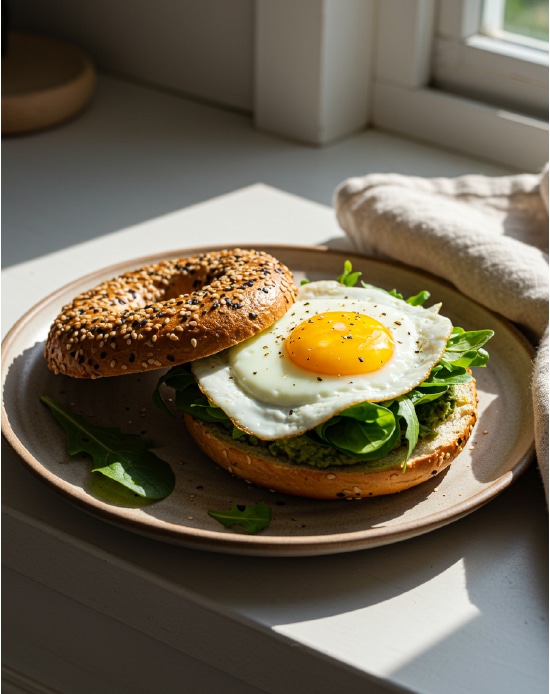
Once they’re cool, slice them in half, toast them if you like, and top with whatever sounds good. They hold up beautifully to cream cheese, nut butter, eggs, smoked salmon you name it.
These bagels keep well in an airtight container for about 3 days at room temperature, or you can freeze them for up to a month. Just slice them before freezing so you can pop them straight into the toaster whenever you need one.
🩵 A Word Before You Start
This recipe comes from my personal kitchen experiments and family traditions not from a nutrition lab or medical practice. While cottage cheese naturally adds protein and makes for a more balanced breakfast, this isn’t personalized dietary advice. If you have specific health concerns or you’re following a particular eating plan, check in with your doctor or a registered dietitian first.
Your Questions About Cottage Cheese Protein Bagels
Is cottage cheese good for bagels?
Absolutely and not just as a topping. In this recipe, cottage cheese replaces butter or oil while adding protein and moisture. It creates a soft, tender crumb with a mild, creamy flavor that works with both sweet and savory toppings. The texture is lighter than Greek yogurt bagels, and the protein content is just as impressive.
How much protein is in a cottage cheese bagel?
Each bagel from this recipe delivers between 11 and 14 grams of protein, depending on the cottage cheese brand you use. That’s significantly more than store-bought bagels, which typically have 7 to 11 grams and with a better balance of carbs and protein to keep you satisfied longer.
Are protein bagels better with cottage cheese or Greek yogurt?
Both work beautifully, but they give you different results. Cottage cheese creates a creamier, milder flavor and a softer texture. Greek yogurt makes the dough slightly denser with a tangier taste. For a lighter, fluffier bagel with more protein per ounce, cottage cheese is the winner. If you prefer a chewier bite, try Greek yogurt instead.
What can I put on a bagel for protein?
Layer your bagel with eggs, smoked salmon, nut butter, or more cottage cheese for an extra protein boost. For something sweet, try almond butter with chia seeds or Greek yogurt with berries. These bagels hold up beautifully to hearty toppings and make a perfect base for building a balanced meal.
Looking for more ways to use protein bagels? Check out these high-protein bagel recipes to mix up your week and keep your mornings interesting.
Why These Bagels Work
This protein bagel recipe cottage cheese makes possible has earned a permanent spot in my kitchen not because it’s trendy or complicated, but because it’s the opposite. It’s simple, nourishing, and genuinely satisfying. These bagels taste like something you’d crave, not something you force yourself to eat because it’s “healthy.”
Whether you’re making them for a slow Sunday morning or prepping a batch for the week ahead, they deliver comfort and energy in equal measure. That’s the balance I’m always looking for food that feels good and tastes like home.
So grab your cottage cheese, preheat your oven, and let’s make breakfast better.
Want more simple recipes and feel-good breakfast ideas? Join me over on Facebook where I share daily tips, kitchen wins, and the kind of recipes that make mornings easier. 🩵
Follow us on social for more recipe ideas & inspiration!
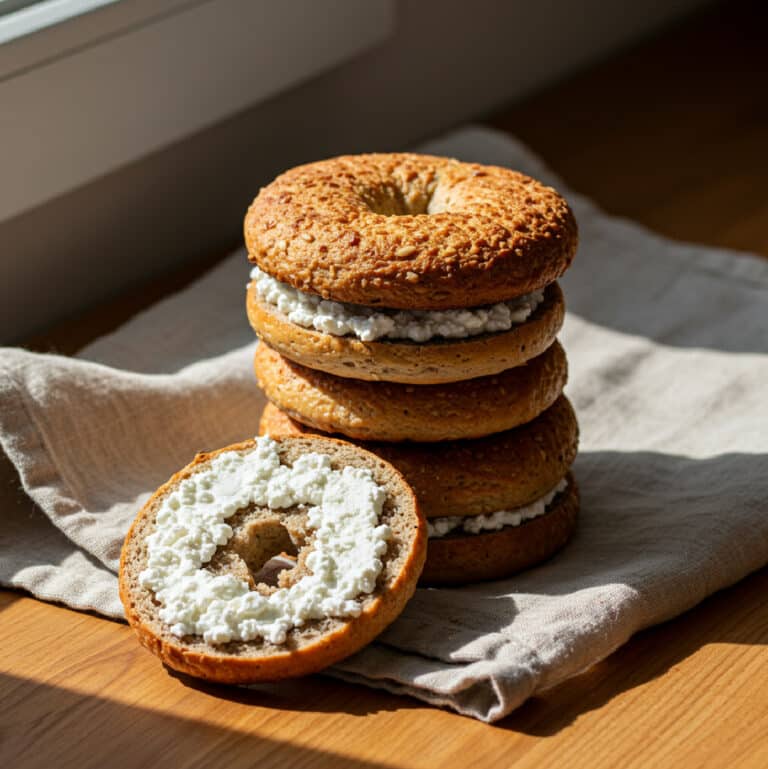
Protein Bagel Recipe with Cottage Cheese
Would you like to save this recipe?
By submitting you agree to receive this recipe and occasional emails. Unsubscribe anytime.
Ingredients
- 1 cup self-rising flour or all-purpose flour + 1½ tsp baking powder + ¼ tsp salt
- ¾ cup cottage cheese strained for thicker texture
- 1 egg
- Optional toppings: sesame seeds everything bagel seasoning, or flaky salt
Instructions
- 1. Strain the cottage cheese using a fine mesh sieve or cheesecloth for 5–10 minutes until thickened.
- 2. In a medium bowl, mix the self-rising flour or flour mixture.
- 3. Add strained cottage cheese and egg to the dry ingredients.
- 4. Stir until a shaggy dough forms, then knead gently until smooth.
- 5. Divide dough into 4 equal parts and shape into bagels.
- 6. Optional: brush with egg wash and sprinkle with desired toppings.
- 7. Bake at 375°F for 22–25 minutes or until golden brown.
- 8. Alternatively, air fry at 325°F for 10–12 minutes, checking for a golden top.
- 9. Let bagels cool for 10 minutes before slicing and serving.
Last Step: Don’t forget to leave a rating and comment below! It helps other readers find the best recipes — and it helps us too!
Tips & Notes:
Nutrition Information: Serving: 4 | Calories: 165kcal | Carbohydrates: | Protein: | Fat: | Sodium: | Fiber: | Sugar:
Nutritional information is provided as a courtesy and calculated automatically. Values can vary depending on the brands and ingredients you use, so if you’re tracking closely, I recommend calculating with your own preferred tool.