I can still smell warm butter and sugar when I close my eyes. The small kitchen table in my grandmother’s house sat by a window that caught morning light just so. On rainy days she would bake scones, and the house would fill with the scent of toasted flour, sweet strawberries, and cream. The scones were not perfect. They had gentle cracks and soft centers, and each one felt like a small promise that the day would be kinder. That sense of care lives in these Strawberries and Cream Scones. They ask us to slow down, to break bread together, and to remember the simple act of sharing.
Why Strawberries and Cream Scones Belongs in Your Kitchen Story
There is a reason certain recipes become part of family life. These scones carry a memory of hands dusted with flour and of quiet mornings that stretch into soft conversations. The strawberries add a bright red spot of joy in each bite. The cream makes the dough tender and full.
When I make these scones, I think of laughter around a table and of my mother teaching me how to cut butter into flour without overworking the dough. The simple habit of baking has a way of gathering people. It ties a morning to a childhood, and a recipe to a voice we may miss. That is why Strawberries and Cream Scones belong in your kitchen story.
These scones are like a small ritual. They do not need fancy tools. A bowl, a wooden spoon, a bench scraper, and a warm oven will do. They teach patience. They teach the reward of a hot pastry that flakes and melts on the tongue.
Meanwhile, as the scones bake, the aroma carries through the house. It invites neighbors and family to pause. The red of the strawberries is not only pretty. It says spring, it says hope, it says we are together. That is the comfort of this recipe.
How to Make Strawberries and Cream Scones
“Every time I stir this pot, it smells just like Sunday at home.”
Before we list the ingredients, here is a quick view of how this recipe comes together.
You will mix dry ingredients until they are even in color, then cut cold butter in until the mix looks like coarse crumbs. Gentle pieces of strawberry will fold into the dough. The dough will be pressed into a circle, cut into wedges, and baked until the edges show a faint gold.
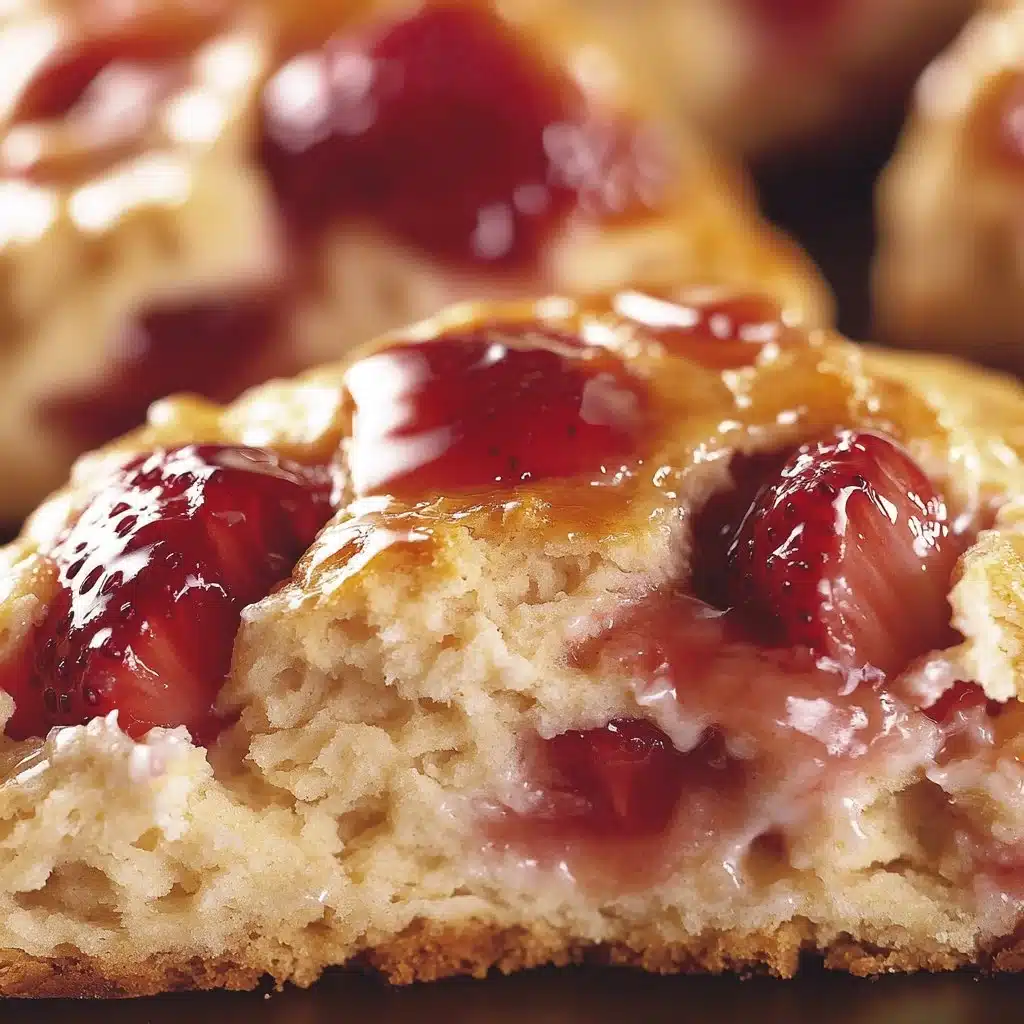
Color cues guide you. The dough should be pale, flecked with pink where the strawberries appear. The edges will show the first signs of gold when the scones are ready. Aroma cues help too. The scent of baking strawberry and butter will deepen when they are almost done.
Texture matters at every step. You want flaking layers and a soft center. That tenderness comes from the cream and from handling the dough with care. Once baked, the scones are best warm and slightly glazed, their tops glossy with a sweet drizzle.
Ingredients You Will Need
- 2 cups all-purpose flour
- 1/4 cup granulated sugar
- 1 tablespoon baking powder
- 1/2 teaspoon salt
- 1/2 cup unsalted butter, cold and cubed
- 1 cup fresh strawberries, hulled and chopped
- 1/2 cup heavy cream
- 1 teaspoon vanilla extract
- 1/2 cup powdered sugar (for glaze)
- 1-2 tablespoons milk (for glaze)
Friendly note: Use the freshest strawberries you can find. Their color and scent make the scones sing.
Friendly note: If your butter sits too long at room temperature, pop it back in the fridge. Cold butter is the secret to flaky layers.
Friendly note: If your powdered sugar is clumpy, sift it before mixing to keep the glaze smooth.
Step-by-Step Directions
- Preheat the oven to 400°F (200°C). Line a baking sheet with parchment paper. Do this first so the oven reaches temperature while you work. A hot oven gives a quick lift to the scones.
- In a large bowl, whisk together the flour, granulated sugar, baking powder, and salt. Whisk for a few seconds until the mixture looks even. This helps the baking powder spread through the flour.
- Cut in the cold butter until the mixture resembles coarse crumbs. Use a pastry cutter, two knives, or your fingertips. Work quickly so the butter stays cold.
- Gently fold in the chopped strawberries. Be gentle to keep the berries from turning to mush. Small pockets of juice are a good thing.
- In a separate bowl, combine the heavy cream and vanilla extract. Stir into the dry ingredients until just combined. Do not overmix; a few streaks of flour are fine. The dough should be soft and slightly sticky.
- Turn the dough onto a floured surface and knead gently a few times. Pat into a circle about 1 inch thick. Press with light, even strokes. Keep the work light so the scones stay tender.
- Cut into wedges and place on the prepared baking sheet. A sharp knife or bench scraper gives clean edges. Leave space so they can puff.
- Bake for 15-20 minutes or until lightly golden. Watch for a soft golden color at the edges. A toothpick in the center should come out mostly clean.
- For the glaze, whisk together the powdered sugar and milk until smooth. Drizzle over the warm scones. Serve warm. Stir until glossy and pourable. The glaze will set but keep the scones soft.
Mini-tip: If you see butter melting into the pan while they bake, your butter was too warm. Next time, chill the cut dough briefly.
Mini-tip: You can press the dough into a 7 inch circle for taller scones. For faster baking, make a 9 inch circle and cut smaller wedges.
Mini-tip: Use a light hand when folding in strawberries. If you stir hard, the color will bleed and the dough will darken.
Bringing Strawberries and Cream Scones to the Table
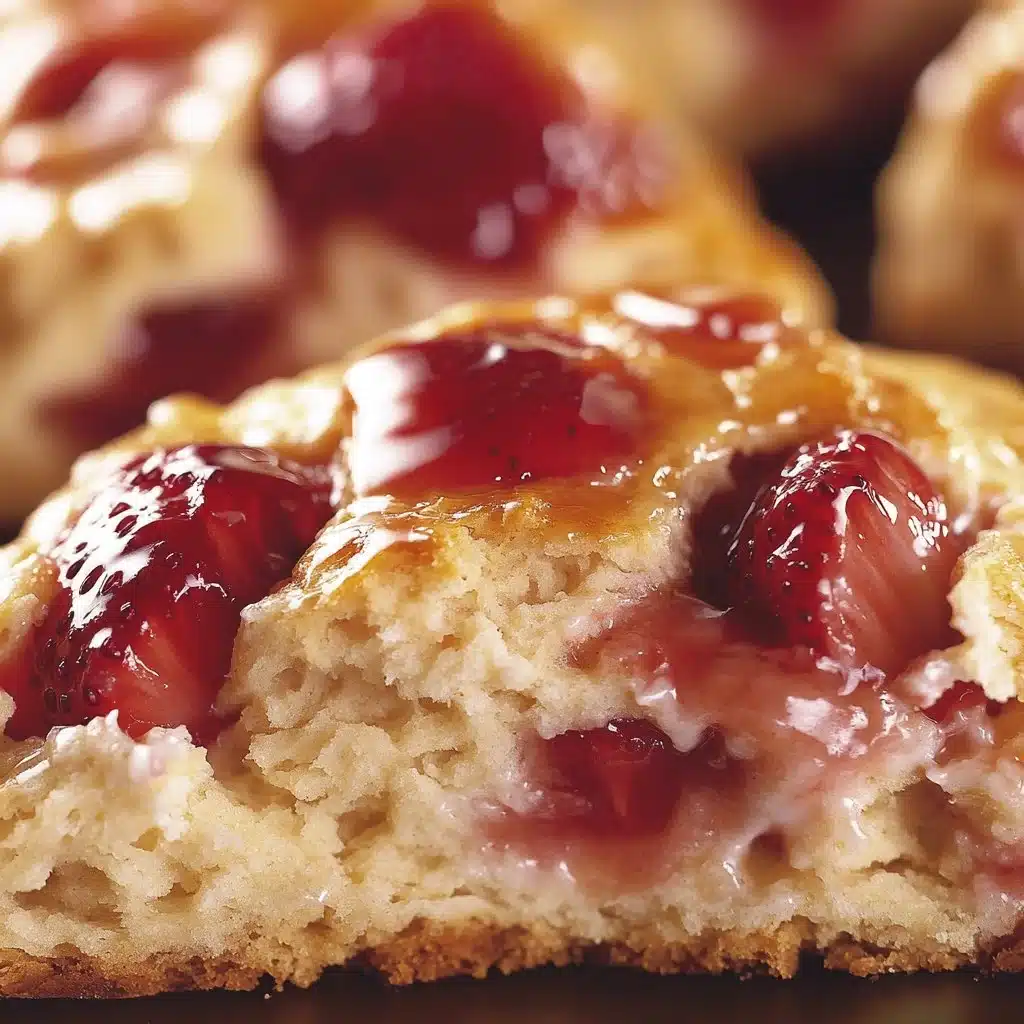
These scones bring color and warmth to a simple table. I like to set a pot of tea and a small jar of extra cream beside a plate of fresh fruit. A linen cloth softens the scene. The scones look rustic and welcoming. They invite gentle conversation.
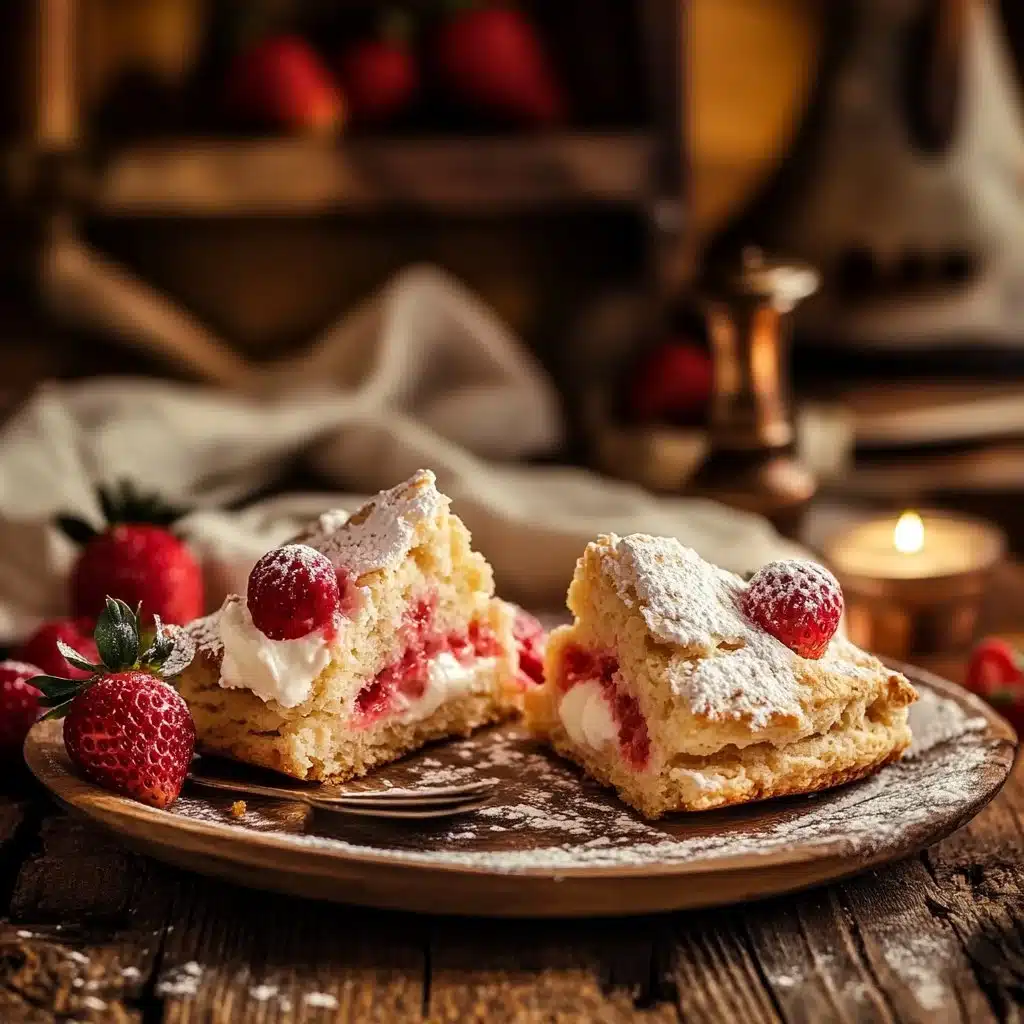
When you break a warm scone in half, steam rises and the strawberry scent lifts. The inside is tender. The outside has a thin shell that yields with a light crack. Everyone reaches for the warm pieces. The first bite is usually quiet. People close their eyes and remember.
Serve these scones with thick jam, a spoon of mascarpone, or a dribble of extra cream. A pot of strong coffee or a cup of calming tea pairs well. For a weekend breakfast, add scrambled eggs and a bowl of mixed berries.
From there, the table becomes a place of small pleasures. Children will lick glaze from their fingers. Older relatives will press their thumbs into the dough and ask for the recipe. The act of passing a plate and sharing a second helping is the real point of these scones.
Meanwhile, the crumbs on the table become part of the memory. They mark the end of a good morning and the start of a slow afternoon.
Saving Strawberries and Cream Scones for Tomorrow
If you have leftovers, store them with care. Let the scones cool completely before wrapping. Wrap them in plastic wrap or place them in an airtight container. They will keep at room temperature for one day, and in the refrigerator for up to three days.
For longer storage, freeze scones on a tray until firm. Then place them in a freezer bag. They will keep well for up to one month. Reheat frozen scones in a 325°F oven for 10 to 12 minutes, covered loosely with foil to avoid hard edges.
To refresh scones the next day, warm them briefly. A few minutes in the oven or a short turn in the toaster oven will restore their texture. Avoid microwaving for long periods. It can make scones gummy.
The flavors can deepen overnight. The strawberries may release a bit more juice, and the glaze will settle into the cracks. Warm a scone and add a fresh spoon of cream to bring it back to life.
Dalida’s Little Secrets
- Use cold tools and a cool kitchen when you can. Cold butter gives better layers. I have a small note in my cookbook: chill the bowl if it is warm.
- Toss the chopped strawberries in a teaspoon of flour before folding them in. This helps keep them from sinking and stops too much color bleeding.
- Do not overwork the dough. A few lumps are fine. Over-kneading tightens the gluten and makes the scones dense.
- Give the scones room on the pan. They need space to rise. Crowded scones will touch and bake unevenly.
- Try half-and-half in place of heavy cream if you prefer a lighter richness. The scones will be a touch less tender but still very good.
These are the small moves that make a difference. They come from a lifetime of mornings spent elbow deep in flour. They are simple, but they change the texture and the joy of the final bite.
Family Twists on Strawberries and Cream Scones
Our family has a handful of variations that show how recipes travel through time.
In my cousin’s house they add a tablespoon of lemon zest to the glaze. The citrus lifts the sweetness and highlights the strawberries. In another branch of the family, a handful of chopped almonds goes on top for a crunch that contrasts with the soft inside.
Some friends fold in a few tablespoons of cream cheese into the dough to make a richer scone. Others sprinkle a little coarse sugar on top before baking for a bright snap.
In coastal towns, people mix in a touch of lavender or a small spoon of local honey with the cream. These little changes carry the region to the table.
No matter the small twists, the heart of the scone remains. Tender crumb, soft strawberry pockets, and cream in the dough. Each family puts its fingerprint on the recipe, and each version becomes a new way to say hello to a morning.
Discover More Heritage Recipes
Every recipe carries a piece of memory, care, and tradition. If you enjoyed this dish, you might also love the other comforting meals I’ve shared from my kitchen. Each one is crafted with the same patience and heart that have guided me for decades.
👉 Explore More Heritage Recipes Here
FAQs About Strawberries and Cream Scones
Can I use frozen strawberries?
Yes, but thaw and drain them well first. Pat dry with a towel so they do not add too much moisture.
Can I use milk instead of heavy cream?
You can, and it will work, though the scones will be slightly less tender. Use whole milk for the best result.
How do I keep the strawberries from bleeding into the dough?
Toss them with a little flour before folding them in and handle the dough gently.
Can I make the dough ahead of time?
Yes. Chill the dough for up to 24 hours, then cut and bake. Chilling can improve flavor but keep the butter cold.
How do I know when the scones are done?
The edges will be lightly golden and the tops will spring back when touched. A toothpick should come out with a few moist crumbs, not wet dough.
A Final Thought
These Strawberries and Cream Scones are more than a recipe. They are a way to gather, to remember, and to make a new memory with each batch. When you bake them, think of the hands that taught you and the hands you teach. Let the aroma call someone to the table.
Make them for a quiet morning when you need a small kindness. Make them for a friend who needs comfort. Share them with children and show them how to cut butter into flour. Let the little cracks and imperfect shapes feel like proof of the life that made them.
I keep a stack of old notes with these recipes. Each note has smudges and small stains. They are the map of a life that loved to feed others. These scones carry those maps forward. They bring warmth, color, and a gentle sweetness that lasts long after the crumbs are gone.
Conclusion
If you want to see another take on these scones and compare techniques, I find the recipe at Baker by Nature’s Strawberries and Cream Scones to be a helpful reference for timing and texture.
For a different method and a lovely photo guide that highlights the strawberries, this version at elisabeth & butter Strawberries and Cream Scones offers clear steps and ideas for variations.
These two links can give you more visual cues and gentle guidance as you make the recipe your own.
Follow us on social for more recipe ideas & inspiration!

Strawberries and Cream Scones
Would you like to save this recipe?
By submitting you agree to receive this recipe and occasional emails. Unsubscribe anytime.
Ingredients
Dry Ingredients
- 2 cups all-purpose flour Use the freshest flour for best results.
- 1/4 cup granulated sugar
- 1 tablespoon baking powder Ensure it's fresh for leavening.
- 1/2 teaspoon salt Enhances flavor.
Wet Ingredients
- 1/2 cup unsalted butter, cold and cubed Cold butter is essential for flaky layers.
- 1 cup fresh strawberries, hulled and chopped Use the freshest strawberries you can find.
- 1/2 cup heavy cream Can substitute with half-and-half for lighter scones.
- 1 teaspoon vanilla extract
Glaze Ingredients
- 1/2 cup powdered sugar Sift if clumpy for a smooth glaze.
- 1-2 tablespoons milk Adjust for desired glaze consistency.
Instructions
Preparation
- Preheat the oven to 400°F (200°C). Line a baking sheet with parchment paper.
- In a large bowl, whisk together the flour, granulated sugar, baking powder, and salt until even in color.
- Cut in the cold butter until the mixture resembles coarse crumbs.
- Gently fold in the chopped strawberries.
- In a separate bowl, combine the heavy cream and vanilla extract. Stir into the dry ingredients until just combined, being careful not to overmix.
- Turn the dough onto a floured surface and knead gently a few times. Pat into a circle about 1 inch thick.
- Cut into wedges and place on the prepared baking sheet, leaving space between each.
Baking
- Bake for 15-20 minutes or until lightly golden, watching for a soft golden color at the edges.
- For the glaze, whisk together the powdered sugar and milk until smooth. Drizzle over the warm scones before serving.
Last Step: Don’t forget to leave a rating and comment below! It helps other readers find the best recipes — and it helps us too!
Tips & Notes:
Nutrition Information: Serving: 8 | Calories: 230kcal | Carbohydrates: | Protein: | Fat: | Sodium: | Fiber: | Sugar:
Nutritional information is provided as a courtesy and calculated automatically. Values can vary depending on the brands and ingredients you use, so if you’re tracking closely, I recommend calculating with your own preferred tool.