
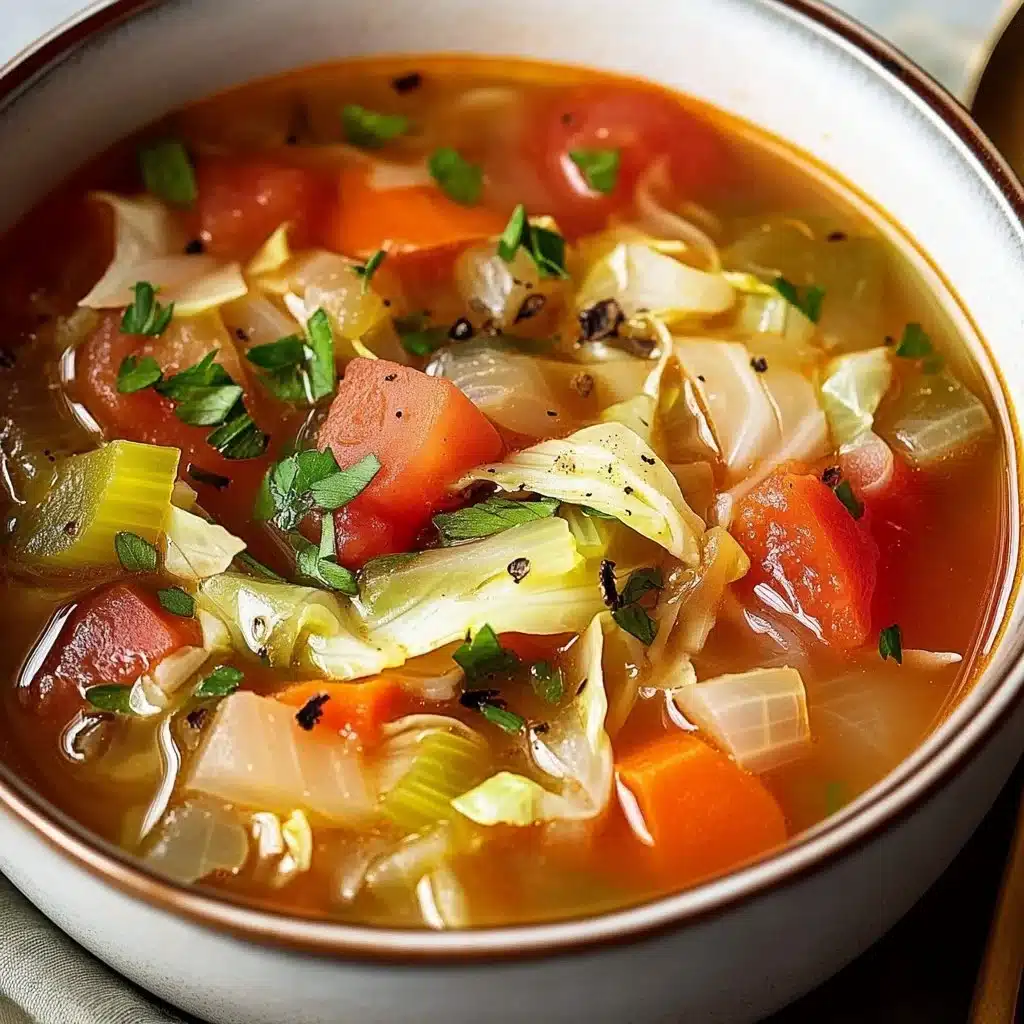
I remember the pale winter light slipping through the kitchen curtains while a low pot hummed on the stove. The air filled with a soft, green sweetness, a hint of tomato, and the spice of pepper. That soup warmed our hands and our stories. If you ever want a bowl that feels like a remembered afternoon, tucked into the folds of family life, this cabbage soup will bring you there, and you can also find related cozy bowls in my fall soups collection for more seasonal inspiration.
Why Cabbage Soup Belongs in Your Kitchen Story

Cabbage soup is simple in shape but full in meaning. In my family, it was the soup that met us after chores, after rain, after the small disasters of childhood. It taught me how humble things can heal. The blocky green of the cabbage, the orange ribbons of carrot, the soft translucence of onions, and the warm red of tomatoes all came together like the pieces of a familiar song.
This soup carries the kindness of slow cooking and the economy of roots. It asks only that you care for it while it simmers and in return it gives steady comfort. Many families have their own twist. For ours, it was always about patience and the table full of conversation that followed.
Why it matters beyond taste is simple. A shared pot becomes memory. When you ladle it out, you are giving warmth and a small act of tradition. You are handing over a recipe and a moment at once. From one kitchen to another, this soup keeps being made because it works for dinner, for healing, and for bringing people together.
How to Make Cabbage Soup
“Every time I stir this pot, it smells just like Sunday at home.”
Before we list the ingredients, here is a quick picture of how this recipe comes together. First, you build a soft base with onions, carrots, and celery. Then you add garlic for a bright note. Cabbage follows, giving structure and a gentle crunch that softens as it cooks. Broth and tomatoes turn everything into a broth with color and warmth.
As it simmers, the soup changes: the broth gains a green tint from the cabbage, the aroma sings of cooked onion and tomato, and the texture becomes velvet with pieces of tender cabbage floating through. The color is honest and homey pale green, slashes of red, and flecks of herbs. If you enjoy watching food transform, this is a small, quiet show.
This process also benefits from small kitchen tools: a roomy pot for even cooking, a wooden spoon for gentle stirring, and a good ladle. For extra hands-on comfort, invite someone to sit and chop while you stir. Meanwhile, the slow bubble of simmering is its own kind of music.
Ingredients You Will Need
- 1 medium head of cabbage, chopped
- 1 onion, chopped
- 2 carrots, sliced
- 3 celery stalks, chopped
- 4 cloves garlic, minced
- 6 cups vegetable or chicken broth
- 1 can diced tomatoes
- Salt and pepper to taste
- Optional: shredded chicken, ground beef, or sausage
Friendly side notes: use fresh parsley if you can; it brightens the flavor at the end. When possible, choose a firm head of cabbage with bright leaves. If you want a lighter broth, pick a clear chicken stock. If you want to stay vegetarian, a rich vegetable stock makes a deep base. I keep a small bowl of extra chopped herbs nearby to sprinkle on the bowls as they come to the table.
If you prefer, you can add a bay leaf while it simmers. Some cooks like a splash of apple cider vinegar at the end to lift the flavors. For a heartier meal, add one of the optional meats. This ingredient list is forgiving, which is part of the charm.
Also remember that small changes in ingredient proportions will change the texture and color in small ways. For instance, more carrots will deepen the orange notes, and extra tomatoes will make the broth redder and tangier. A little fat, such as a knob of butter or a splash of olive oil, will make the broth feel rounder on the tongue.
Step-by-Step Directions
- In a large pot, sauté onions, carrots, and celery until soft. Heat the pot over medium and add a splash of oil or a knob of butter. Stir often until the vegetables are fragrant and the onions turn translucent.
Tip: stir until glossy and listen for the soft sizzle. - Add garlic and sauté for an additional minute. Watch closely so the garlic becomes aromatic but does not brown.
Tip: a quick swirl of the spoon keeps it from sticking. - Stir in cabbage and cook until slightly wilted. Add the chopped cabbage in batches if needed so it softens evenly.
Tip: the cabbage should look slightly glossy and shrink a bit. - Pour in the broth and diced tomatoes, and bring to a boil.
Tip: scrape the bottom of the pot to collect any fond for extra flavor. - Reduce heat and let simmer for 30-40 minutes, or until the cabbage is tender.
Tip: simmer gently; a steady low bubble will soften the cabbage without breaking it down too quickly. - Season with salt and pepper.
Tip: taste and adjust slowly. Salt brings out the warmth and helps balance the acidity. - Optionally, add shredded chicken, ground beef, or sausage for a heartier soup.
Tip: if you add meat, make sure it is pre-cooked and warm it in the soup for the last 10 minutes. - Serve hot and enjoy!
Tip: garnish with fresh parsley, a drizzle of olive oil, or a sprinkle of cracked black pepper.
These steps are the backbone of the soup. Small pauses let you taste and reshape the flavors. You may want to stir once every few minutes while it simmers and keep a close look on liquid levels. If it reduces too much, add a splash of water or extra broth. Conversely, if you want a thicker stew-like bowl, let it reduce a bit longer.
Bringing Cabbage Soup to the Table
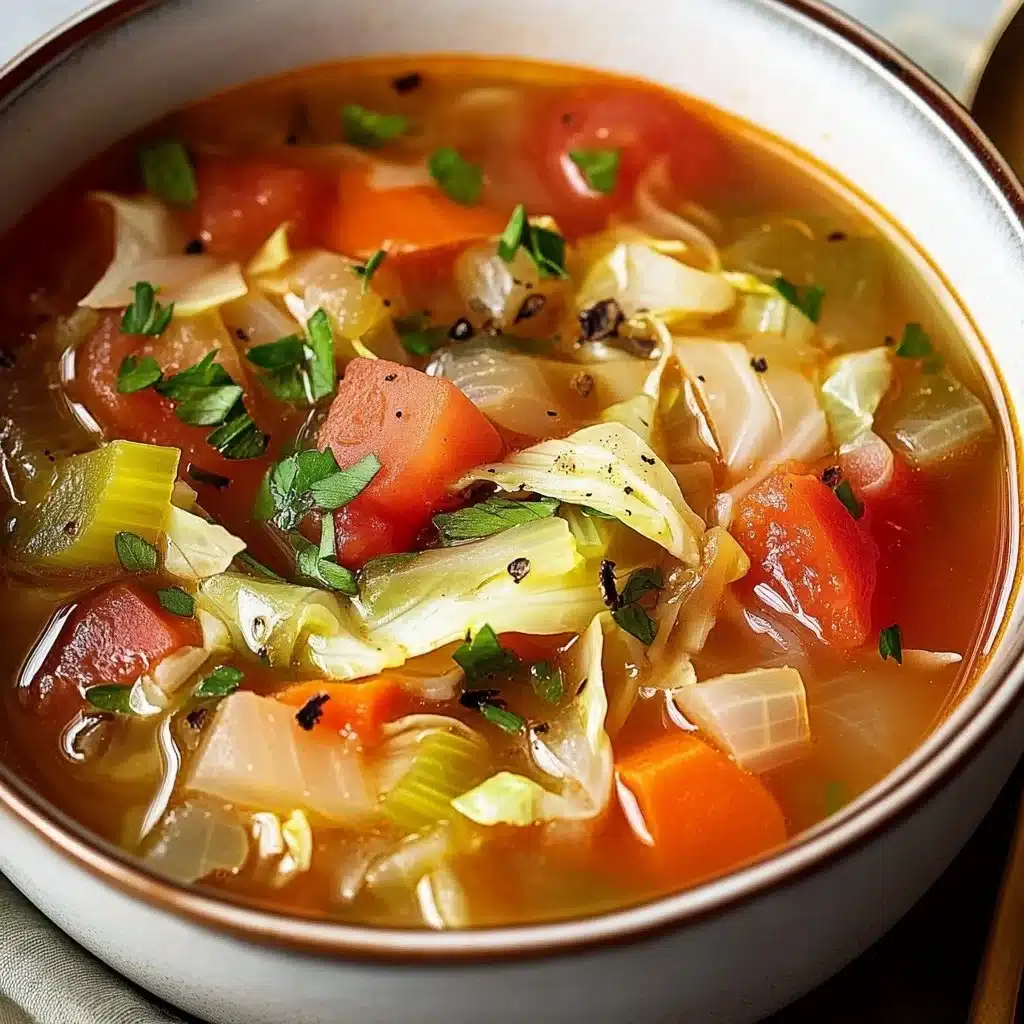
When we serve cabbage soup, we set the table in a way that invites talking. Bowls are warmed, spoons line up, and a plain cloth napkin lies at each setting. I like to place crusty bread on a plate nearby and a small dish of grated cheese for those who want it. The steam curls up in the pale light and the first spoonful always makes a small sound of contentment.
The texture matters at the table. I notice how the cabbage offers a soft bite while the carrots keep a thin thread of firmness. The broth should be warm and gentle, wrapping each spoonful like a small blanket. Some people like to press a bit of bread to soak up the broth. Others let it cool and sip it slowly from the bowl.
This is a soup that is ideal for conversation. It does not demand attention; it holds it. Children who once poked at the cabbage now talk about their day, and elders often pause to remember the way someone in the family used to make it. The colors at the table are comforting, not flashy, and that is part of its appeal.
Keeping the Comfort Alive
This soup stores beautifully and often tastes better the next day. Once cooled, transfer it to airtight containers and refrigerate for up to four days. In a deeper container it can keep for about a week if the broth started from a very fresh or homemade stock. For longer storage, freeze portions in freezer-safe containers for up to three months.
Reheating is gentle work. Warm it slowly over low heat until it is steaming. If the cabbage has softened too much in the fridge, short reheats will firm it up slightly but stay gentle. Add a splash of broth or water if it seems too thick after chilling. From there, bring it back to a simmer and taste for salt again. Flavors often deepen overnight, so you may need just a touch more seasoning.
If you froze the soup, thaw it in the fridge overnight when possible. If you are in a hurry, use a low oven or a gentle microwave cycle, stirring every few minutes. For travel or picnics, warm the soup fully and store in a thermos to keep it cozy and ready to share.
Dalida’s Little Secrets
- Use a heavy-bottomed pot for even heat. It prevents hot spots and helps develop a gentle flavor without burnt bits. If you love a mild caramel note, a cast iron or thick stainless pot will give that even warmth.
- If you like a brighter finish, add a teaspoon of apple cider vinegar or a squeeze of lemon at the end. It lifts the flavors and reminds me of summer jars on the windowsill.
- When you want a silkier texture, use an immersion blender for a minute. Blend only a portion, not all, so you keep some chunks for mouthfeel.
- Shred the cabbage finely for a soup that melds into the broth, or leave larger pieces for more bite. Simple cuts change the character of the bowl.
- If you are watching salt, use unsalted stock and add sea salt slowly. Taste between additions to avoid oversalting.
A small helpful note: if you want ideas to pair this soup with seasonal sides, my warming recipes guide walks through complementary flavors for autumnal bowls.
These are the kinds of tricks that make the soup feel like home. They are small but steady aids based on years of stirring and tasting. I learned them from my mother and then adapted them to the way my friends like their soup. They work across batches whether you make a big pot for a family or a small one for two.
Family Twists on Cabbage Soup
Every kitchen modifies this recipe. In some regions, a dollop of cream turns it into a soft, velvety bowl. In others, a few slices of smoked sausage add depth and a smoky edge. My aunt used to toss in a few potatoes for thickness, while a neighbor added barley for chew and fiber.
In the southern style of our family table, a pinch of smoked paprika brings warmth. Up north, a bay leaf and juniper berry brighten the wintery earth. Some families add beans for heart and protein. Another common turn is to toss in kale toward the end for extra green texture.
If you want to make it very simple and restorative, keep it vegetarian and add herbs like thyme, rosemary, or parsley. If you aim for a hearty winter supper, brown some ground beef and stir it into the simmering pot. My father liked his with a scoop of mashed potato stirred in for weight and a thick, comforting body.
These variations reveal how recipes change with place and people. They are small acts of creativity. One pot of cabbage soup can take on many moods depending on the choices you make.
Tools, Timing, and Pantry Wisdom
Begin with a pot that holds at least 6 quarts to give the vegetables room to move. A sturdy wooden spoon and a pair of sharp knives will speed the prep. A colander for rinsing and a good cutting board will keep the work tidy.
Timing matters: plan for about 15 to 20 minutes of prep and 40 to 50 minutes of simmering. If you add meats, allow a little time for them to heat through. The overall dish fits well into a relaxed afternoon where you can check in on it and chat with whoever is near.
Pantry wisdom: keep a can of diced tomatoes and a broth or bouillon base in your larder for days when fresh stock is not ready. Bay leaves, peppercorns, and a small jar of dried herbs give you options. A splash of soy sauce can add umami in a pinch if you do not want to add meat.
If you want to expand this soup into a week of meals, think about its role as a base. On day two, you might add beans and greens. On day three, you might use it as a base for a grain bowl with rice or barley and a handful of toasted seeds. This multipurpose nature is one reason cabbage soup has stayed with families for generations.
Heritage Variations
In Eastern Europe, cabbage soups often include sauerkraut, which brings a lively acidity and probiotic charm. In that style, the soup becomes tangy and keeps well for days. In Ireland, cabbage might appear alongside potatoes and lamb, creating a rustic stew that feeds many hands. In Mediterranean kitchens, tomatoes and herbs dominate while the cabbage brings gentle sweetness.
My own relatives folded cabbage into a thin soup with little dumplings when times were lean. They used what was available, and the soup stretched to feed more mouths. The recipe shows how necessity becomes tradition. In the same way, my village friends used to bake slices of cabbage into a shallow pan with cheese for a gratin-like finish, then ladle the broth over for a mix of textures.
These variations speak to the adaptability of cabbage. It accepts many flavors and keeps structure. Whether you prefer tang, smoke, or cream, cabbage will hold those notes. Its quiet nature makes it an excellent canvas for regional touches.
FAQs About Cabbage Soup
Can I use red cabbage instead of green?
Yes. Red cabbage will give a deeper color and slightly different sweetness. The soup may take on a purple hue that softens as it cooks. I remember a bowl that surprised my children with its color and still warmed everyone the same.
Do I have to add tomatoes?
No. Tomatoes add acidity and sweetness. If you skip them, consider adding a splash of vinegar or a few parboiled carrots to maintain balance. One summer, my neighbor left out the tomatoes and we used lemon zest instead. It was bright and lively.
Can I make this in a slow cooker?
Yes. Brown the onions and vegetables first, then transfer to the slow cooker with the rest of the ingredients. Cook on low for 6 to 8 hours. The slow cooker gives a deep, even softness to the cabbage and a gently melded broth.
How long will leftovers last?
Refrigerated, this soup keeps for about four days. Freeze in portions for up to three months. When reheating, warm slowly and add extra seasoning if needed. I find the flavors deepen overnight and often prefer day-two bowls.
Is it okay to add cream or milk?
Yes. Adding cream will make the soup richer and silkier. Add it at the end over low heat and do not boil after adding dairy to prevent separation. For a lighter touch, try a swirl of plain yogurt in the bowl.
These questions come from small moments of worry in the kitchen. I answer them as if sharing a bench by the stove. The safe choices are to taste often and trust your senses. Texture and aroma will tell you much.
A Final Thought
Cabbage soup is ordinary and also extraordinary. It is a recipe that holds room for everyone who approaches it. It can be a quiet family meal, a healer after a long day, or a canvas for seasonal improvisation. I invite you to make it your own by changing little things and keeping the rest the same. Pass it on, share it, and let the bowl carry your stories.
Conclusion
If you are curious to see other versions and a beautifully photographed take, I recommend the lovely Cabbage Soup Recipe from Love and Lemons which shows fresh, bright variations that might inspire your next pot. For a very comforting and well-tested version that leans hearty and traditional, take a look at the BEST Cabbage Soup from Downshiftology for techniques and ideas that can be woven into your own family table.
Thank you for bringing a pot of warmth into your kitchen. May it remind you of afternoons that linger and hands that once stood over the stove with you.
Follow us on social for more recipe ideas & inspiration!

Comforting Cabbage Soup
Would you like to save this recipe?
By submitting you agree to receive this recipe and occasional emails. Unsubscribe anytime.
Ingredients
Base Vegetables
- 1 medium head cabbage, chopped Use a firm head with bright leaves
- 1 onion, chopped
- 2 carrots, sliced
- 3 stalks celery, chopped
- 4 cloves garlic, minced Watch not to brown the garlic
Broth and Seasoning
- 6 cups vegetable or chicken broth Use clear chicken stock for a lighter broth
- 1 can diced tomatoes Adds acidity and sweetness
- to taste Salt and pepper Adjust to enhance flavors
Optional Additions
- 1 cup shredded chicken For a heartier soup
- 1 cup ground beef or sausage Make sure pre-cooked
Instructions
Preparation
- In a large pot, sauté onions, carrots, and celery until soft over medium heat with a splash of oil or a knob of butter.
- Add garlic and sauté for an additional minute until fragrant.
- Stir in cabbage and cook until slightly wilted, adding in batches if necessary.
Cooking the Soup
- Pour in broth and diced tomatoes; bring to a boil, scraping the bottom of the pot for flavor.
- Reduce heat and let simmer for 30-40 minutes until cabbage is tender.
- Season with salt and pepper.
- Optional: Add pre-cooked shredded chicken, ground beef or sausage for additional heartiness.
- Serve hot and garnish with fresh parsley or cracked black pepper.
Last Step: Don’t forget to leave a rating and comment below! It helps other readers find the best recipes — and it helps us too!
Tips & Notes:
Nutrition Information: Serving: 6 | Calories: 150kcal | Carbohydrates: | Protein: | Fat: | Sodium: | Fiber: | Sugar:
Nutritional information is provided as a courtesy and calculated automatically. Values can vary depending on the brands and ingredients you use, so if you’re tracking closely, I recommend calculating with your own preferred tool.